 Go Back

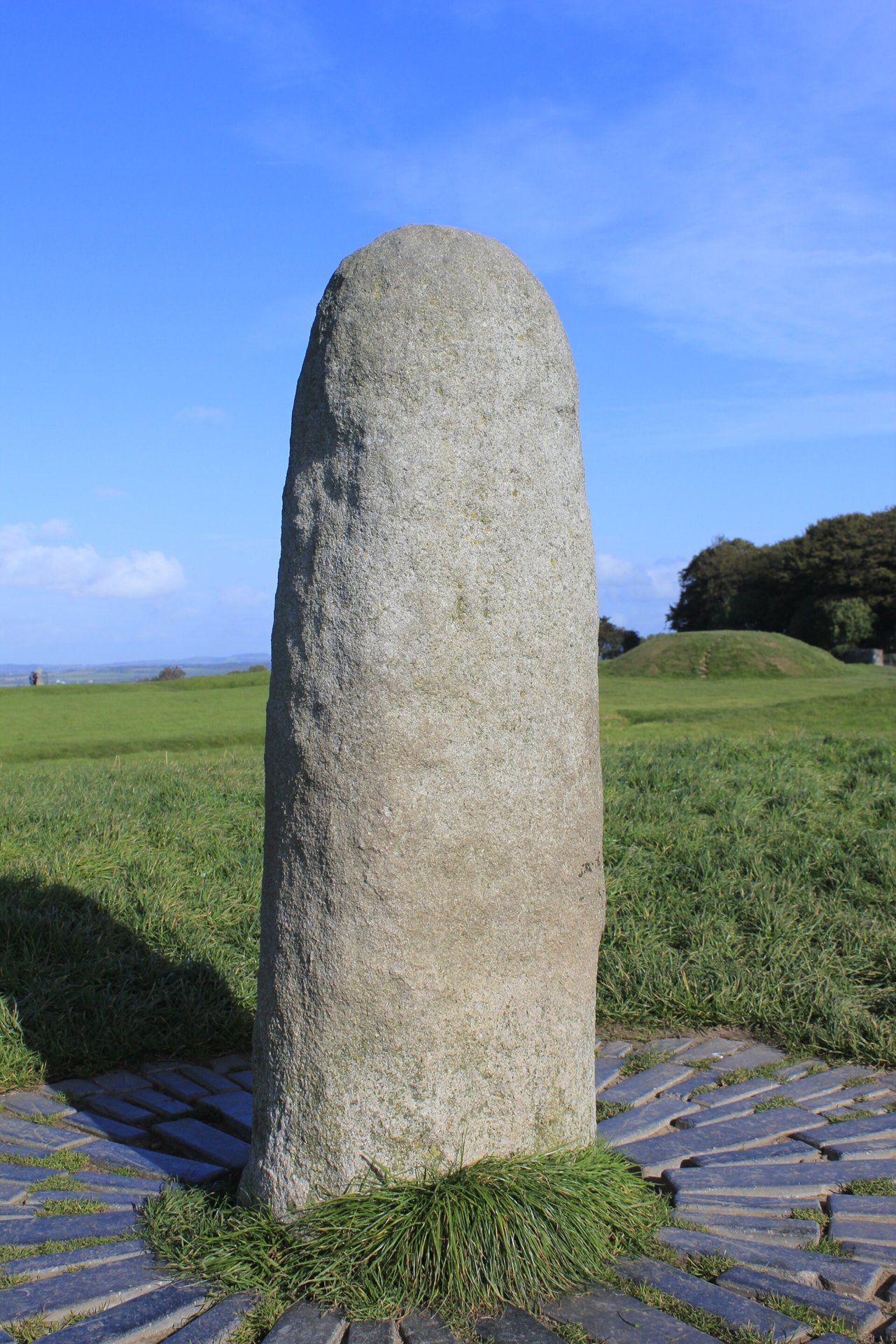
Gaelic Ireland. Early medieval Ireland was a world without a capital or a crown that ruled the whole island. Power belonged to perhaps a hundred and fifty petty kingdoms, the tuatha, each a people and a territory bound together by kinship, cattle and oath. Tuatha gathered into overkingdoms, and above them stood the great provincial kingships of Ulster, Munster, Leinster, Connacht and Meath, while at Tara in Meath the High Kings held a sacral kingship whose reach was more honor than administration. Society was ordered by fine, the extended kin-group that shared land, liability and vengeance, and by clientship, in which a lord granted cattle in return for rent and service.
What held this patchwork together was not government but law and learning. The brehons, a hereditary class of jurists, kept one of the oldest legal traditions in Europe, the Brehon law, preserved in tracts like the Senchas Mar. It was a law of compensation rather than punishment: murder, injury and insult were priced in cattle and silver according to rank, from king to poet to commoner. Poets, the filid, formed a learned caste of their own, keepers of genealogy, praise and satire, whose words could raise a king or ruin his name. Irish was a written literary language centuries before most of western Europe wrote in its own tongue.
The economy was pastoral to its core. Wealth was counted in cattle, and the cattle raid was a heroic institution, immortalized in the Tain Bo Cuailnge, the great epic of the Ulster Cycle, where Queen Medb of Connacht marches to steal the Brown Bull of Cooley. Ringforts, raths and crannogs, tens of thousands of which still mark the Irish landscape, were the farmsteads of kings and commoners alike. People lived in scattered farmsteads rather than towns; Ireland had no true towns until the Vikings built them.
Gaelic society proved stubbornly durable. It absorbed the Christianity of the fifth century, the Viking towns of the ninth and tenth, and even the Norman lords of the twelfth, who famously grew more Irish than the Irish themselves. English statute law fought it for centuries, and still the tuatha, the brehons and the poets endured in much of the island until the Tudor conquest and the Flight of the Earls finally broke the old order in the early seventeenth century.
 Britannica: Early Ireland
 World History Encyclopedia: Ancient Ireland
Britannica: The Cattle Raid of Cooley