 Go Back

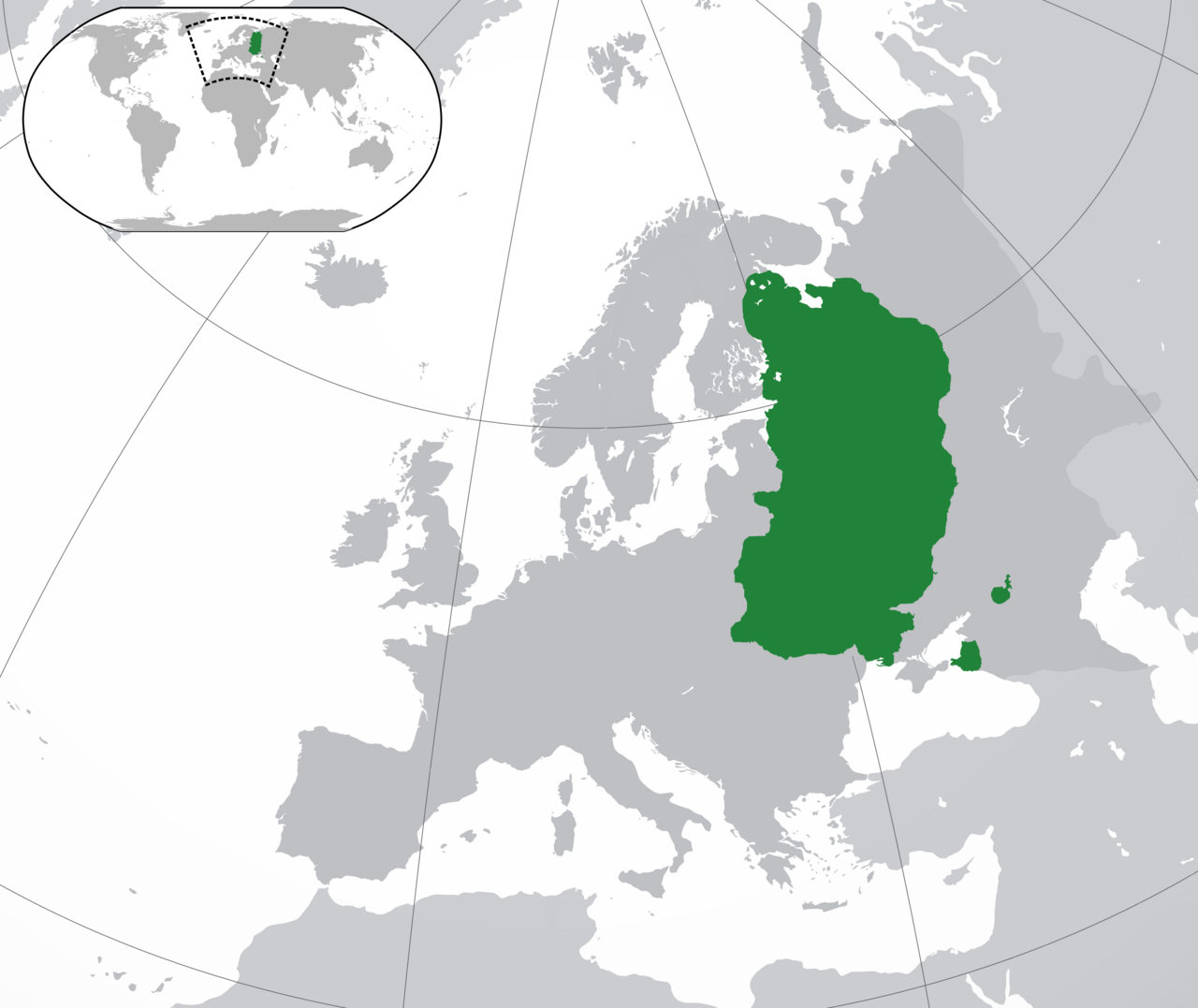
Kievan Rus'. Kievan Rus' (c. 880-1240) was the first great state of the East Slavs - the ancestor of Russia, Ukraine, and Belarus alike, and the arena where the Vikings met Byzantium. Its founders were Norse warriors and traders, the Rus, who made themselves masters of the river routes between the Baltic and the Black Sea; around 882 the Varangian prince Oleg the Wise extended his power from Novgorod south along the Dnieper and took Kiev, which remained the capital for three and a half centuries.
The turning point came in 988, when the prince of Kiev accepted Orthodox Christianity from Byzantium: the Rus were baptized in the Dnieper, and the faith, the alphabet, and the art of Constantinople flowed north. At its height under Yaroslav the Wise (1019-1054), Kievan Rus' stretched from the White Sea to the Black Sea and from the Carpathians to the Taman Peninsula; Yaroslav's sons issued its first written law code, the Russkaya Pravda. It was Vladimir the Great (980-1015) who had spread Christianity by decree through Kiev and beyond - the baptism that defined the Rus' world.
But the dynasty divided what it conquered: the custom of splitting the realm among the ruler's sons splintered Rus' into rival principalities, and the center of gravity drifted northeast to Vladimir and the forests. Then came the catastrophe: in 1237-1241 the Mongol armies of Batu Khan swept through the principalities, and in December 1240 they stormed and burned Kiev itself.
Kievan Rus' died under the Mongol yoke - but its heritage divided three ways: the northeast principalities became Muscovy and Russia, the western lands fell to Lithuania and Poland and became Ukraine and Belarus, and the memory of a single baptized Rus' - Kiev's golden age - became the founding myth of all three.
 Britannica: Kievan Rus summary
 World History Encyclopedia: Kievan Rus
 Humanities LibreTexts: 8.1: Rurik and the Foundation of Rus’
 UNESCO: The Christianization of Kievan Russia: thousandth anniversary