 Go Back

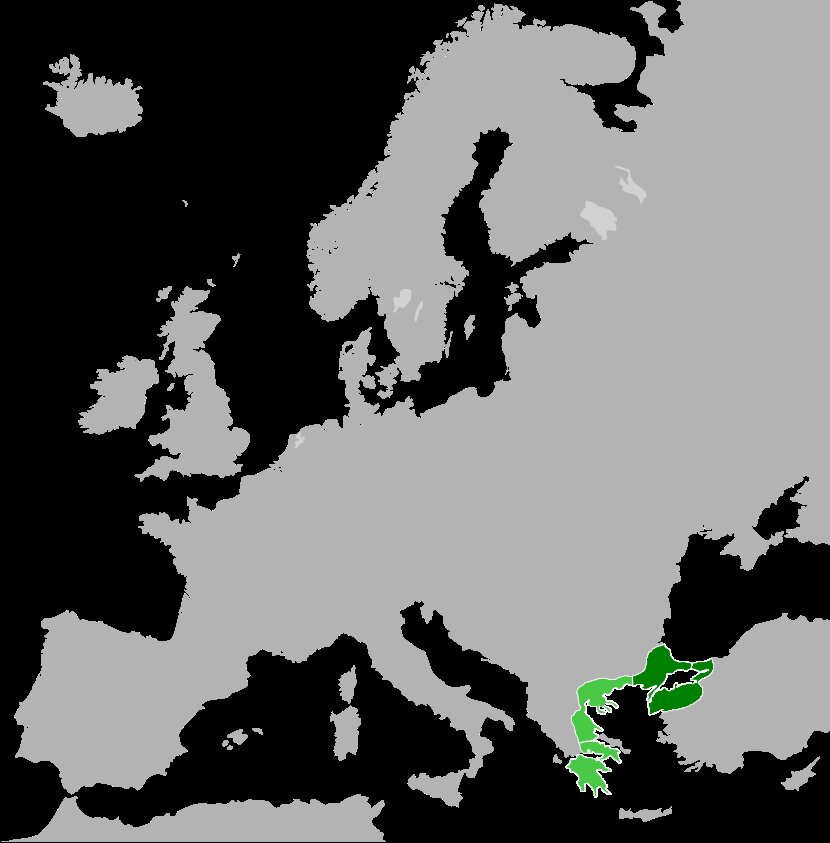
The Fourth Crusade (1202-1204) was called by Pope Innocent III to strike at Muslim power through Egypt, but it never reached its goal. The crusade's leaders contracted with Venice for transport, promising a payment they could not raise. To work off the debt, the Doge Enrico Dandolo persuaded them to help Venice recover the rebellious city of Zara, a Christian city, in 1202. Then a new temptation appeared: Alexios Angelos, a Byzantine prince, promised the crusaders money, men and the submission of the Greek church to Rome if they would restore his deposed father, Isaac II. Despite the pope's prohibition, the host sailed on Constantinople.
In July 1203 the crusaders stormed Constantinople's sea walls and restored Isaac and Alexios IV, but the promised payments never came, and relations with the Greeks collapsed into street war. When Alexios IV was overthrown and strangled in January 1204, the crusaders, unpaid and now facing a hostile city, decided to take the empire itself. On 13 April 1204 they breached the walls and sacked Constantinople for three days: churches, palaces and libraries were looted, the great bronze horses were carried to St Mark's in Venice, and ancient works of art were melted for coin. The atrocity horrified even Innocent III and poisoned Catholic-Orthodox relations for centuries.
The victors divided the Byzantine world by the Partitio Romaniae: Count Baldwin of Flanders was elected Latin Emperor, ruling a quarter of the old empire from Constantinople, while Venice took the best ports and islands, and crusader lords carved out the Kingdom of Thessalonica, the Principality of Achaea, the Duchy of Athens and other Frankish states. A Latin patriarch replaced the Orthodox hierarchy. But the 'Latin Empire of Constantinople' was poor, undermanned and beset: the Bulgarians crushed Baldwin at Adrianople in 1205, and Greek successor states at Nicaea, Epirus and Trebizond claimed the imperial inheritance.
The Latin Empire dwindled to Constantinople and its hinterland, begging in vain for help from the West, pawning even the Crown of Thorns to Venice. In July 1261 the Nicaean general Alexios Strategopoulos retook the city almost without a fight, restoring the Byzantine Empire under Michael VIII Palaiologos. The Frankish states of Greece lasted longer, Achaea and Athens into the 15th century, but the crusade's real legacy was ruinous: Byzantium, still the chief bulwark between Europe and the East, never recovered its old strength, and the path toward 1453 and Ottoman rule in the Balkans was opened.
 Britannica: Fourth Crusade
 World History Encyclopedia: Fourth Crusade