 Go Back

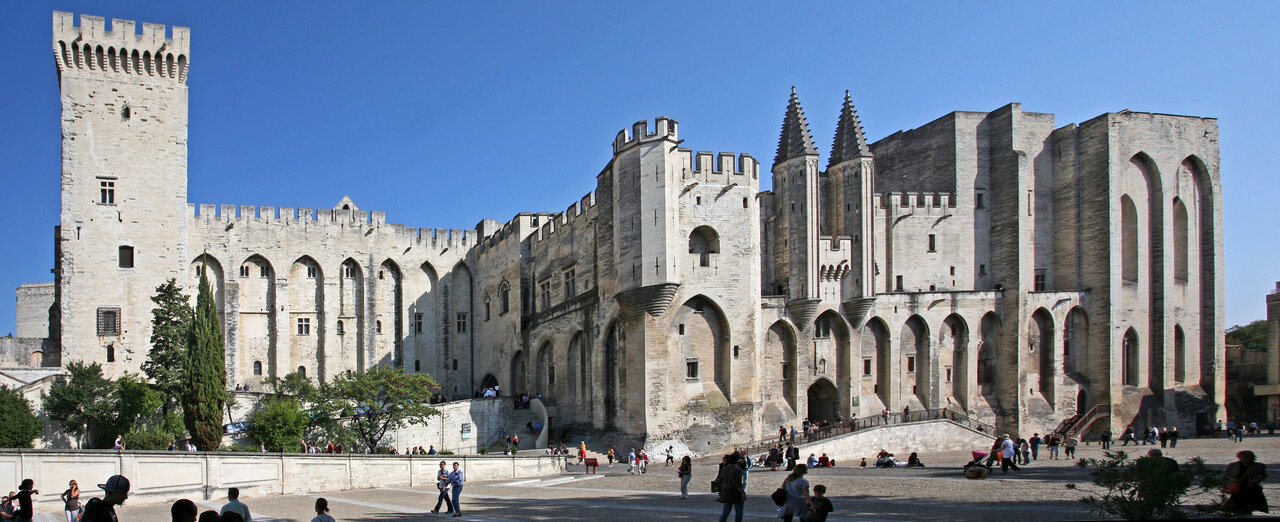
The Western Schism (1378-1417) split Latin Christendom between rival popes for forty years. Its origins lay in the 'Avignon Papacy' (1309-1377), when seven French popes governed the church from Avignon under the shadow of the French crown. When Gregory XI returned to Rome in 1377 and died the next year, a Roman mob demanded a Roman pope; the cardinals elected the Neapolitan Urban VI, then, alienated by his harshness, fled to Anagni, declared the election invalid, and chose the French Clement VII, who returned to Avignon. Europe now had two popes, each excommunicating the other, each with his own cardinals, court, taxes and appointments.
Christendom divided along political lines: France, Scotland, Castile, Aragon and Naples backed Avignon; England, most of the Empire, Hungary, Scandinavia and northern Italy backed Rome. The scandal damaged the papacy beyond measure. Two rival hierarchies meant disputed bishoprics, double taxation and cancelled crusades, and the spectacle of vicars of Christ damning each other fed calls for reform from Wyclif in England and Hus in Bohemia. As each line elected successors, Boniface IX and Benedict XIII among them, negotiated reunions repeatedly collapsed, and many concluded that only a general council, superior even to a pope, could end the schism.
In 1409 cardinals of both obediences met at Pisa, deposed both popes, and elected a third, Alexander V; since neither deposed pope accepted the verdict, there were now three lines of popes at once. The breakthrough came at the Council of Constance (1414-1418), summoned by the emperor-elect Sigismund. The Pisan pope John XXIII was deposed, the Roman Gregory XII voluntarily resigned, and the Avignon Benedict XIII, abandoned even by Spain, refused to resign and was deposed in 1417. In November 1417 the council unanimously elected Oddone Colonna as Martin V, accepted across the Latin world, and the schism was over.
Constance also burned Jan Hus at the stake in 1415, and his death ignited the Hussite movement in Bohemia, and asserted that a general council held authority from Christ over the church, a claim popes soon fought to roll back. Under Martin V and Eugenius IV the restored papacy rebuilt its monarchy and defeated the conciliar movement at Basel. But the schism's damage endured: the prestige of the papal office never fully recovered, national churches had grown used to bargaining with Rome, and the demand for 'reform in head and members', deferred once again, would return with far greater force a century later.
 Britannica: Western Schism
 Encyclopedia.com: Western Schism
Encyclopedia.com: Great Schism
Britannica: Council of Constance
Britannica: Jan Hus
Britannica: Council of Basel