 Go Back

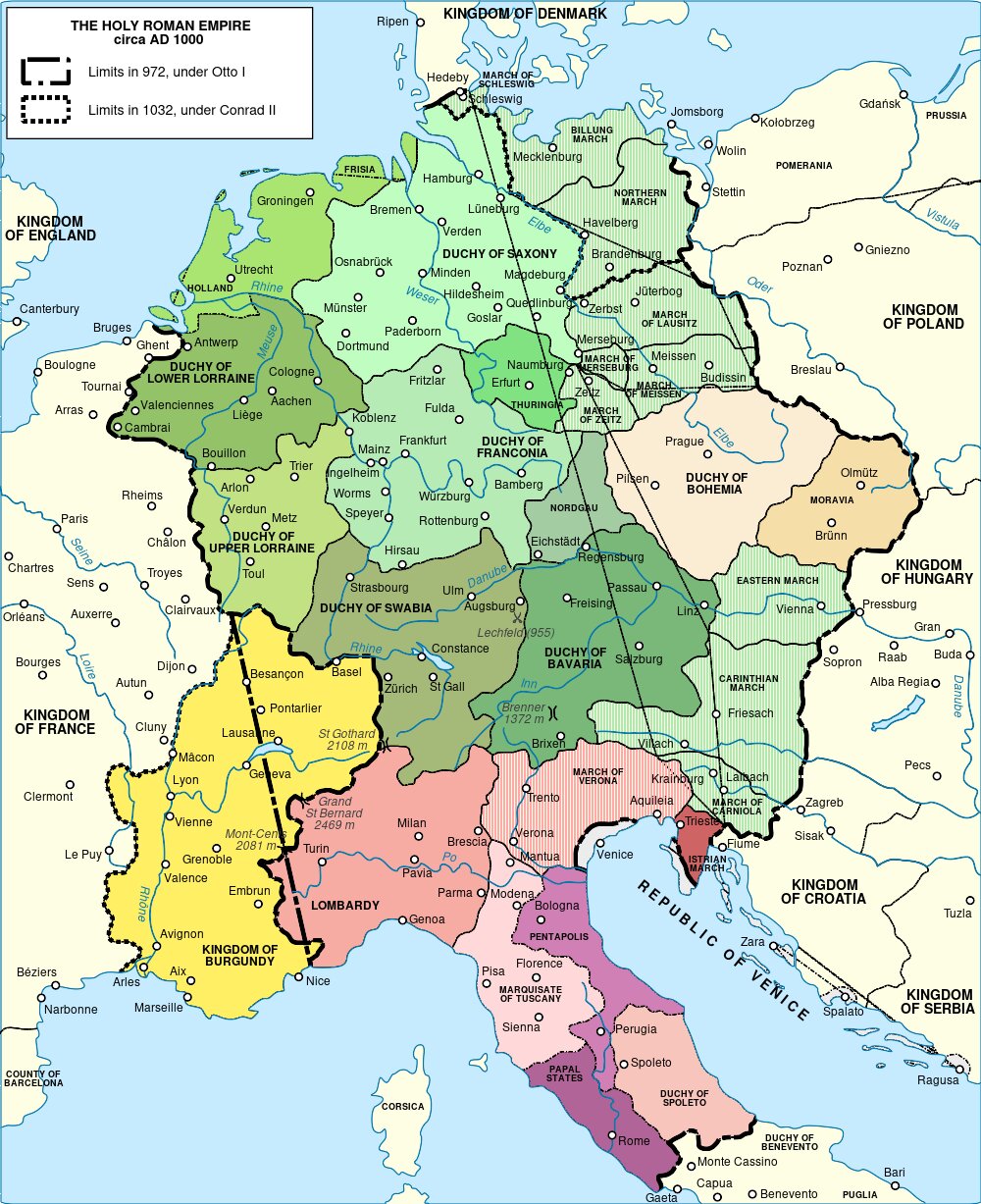
The Investiture Controversy (1075-1122) was the great medieval struggle between popes and kings over who should appoint bishops and abbots, the men who held both spiritual authority and vast lands and political power. Bishops were essential officers of royal government, and kings had long 'invested' them with their offices, sometimes for a fee, a practice reformers condemned as simony. In the 11th century a reform movement centered on the papacy, above all Pope Gregory VII (reigned 1073-1085), set out to free the church from lay control. In 1075 Gregory prohibited lay investiture outright, claiming that spiritual office could come only from the church, and that the pope stood above kings.
The claim collided head-on with Henry IV of Germany, who depended on appointing loyal bishops to rule his far-flung lands. After Henry ignored the ban and backed rival bishops at the Synod of Worms (1076), Gregory excommunicated and deposed him, releasing his subjects from obedience. With German princes threatening to elect a new king, Henry made his famous winter journey across the Alps to Canossa in January 1077, where, according to tradition, he stood three days barefoot in the snow before the pope absolved him. The drama settled nothing: civil war continued in Germany, Henry appointed an antipope, and in 1084 he took Rome itself. Gregory was rescued by his Norman allies and died in exile at Salerno in 1085, saying, 'I have loved justice and hated iniquity, therefore I die in exile.'
The struggle widened beyond Germany. In England, Archbishop Anselm of Canterbury quarreled with Kings William II and Henry I over investiture and appeals to Rome; France kept a looser, more workable practice of royal influence over elections; and the Norman rulers of southern Italy backed the reform popes as a counterweight to the German emperors. Under Urban II the conflict temporarily took second place to the First Crusade, but the underlying question, where the church's authority ended and the state's began, remained contested across Europe.
Exhaustion produced compromise in the Concordat of Worms (1122) between Pope Calixtus II and Emperor Henry V. The emperor renounced investiture with ring and staff, the spiritual symbols, and guaranteed free elections, while in Germany he retained the right to be present at elections and to invest bishops with their temporal lands by the scepter. In practice, kings kept great influence and popes kept the principle of spiritual independence. The controversy had lasting effects: it defined the medieval distinction between spiritual and temporal power, strengthened the papal monarchy that dominated the 12th and 13th centuries, weakened imperial control in Germany and Italy, and set the template for church-state argument in Europe for centuries.
 Britannica: Investiture Controversy
 World History Encyclopedia: Investiture Controversy