 Go Back

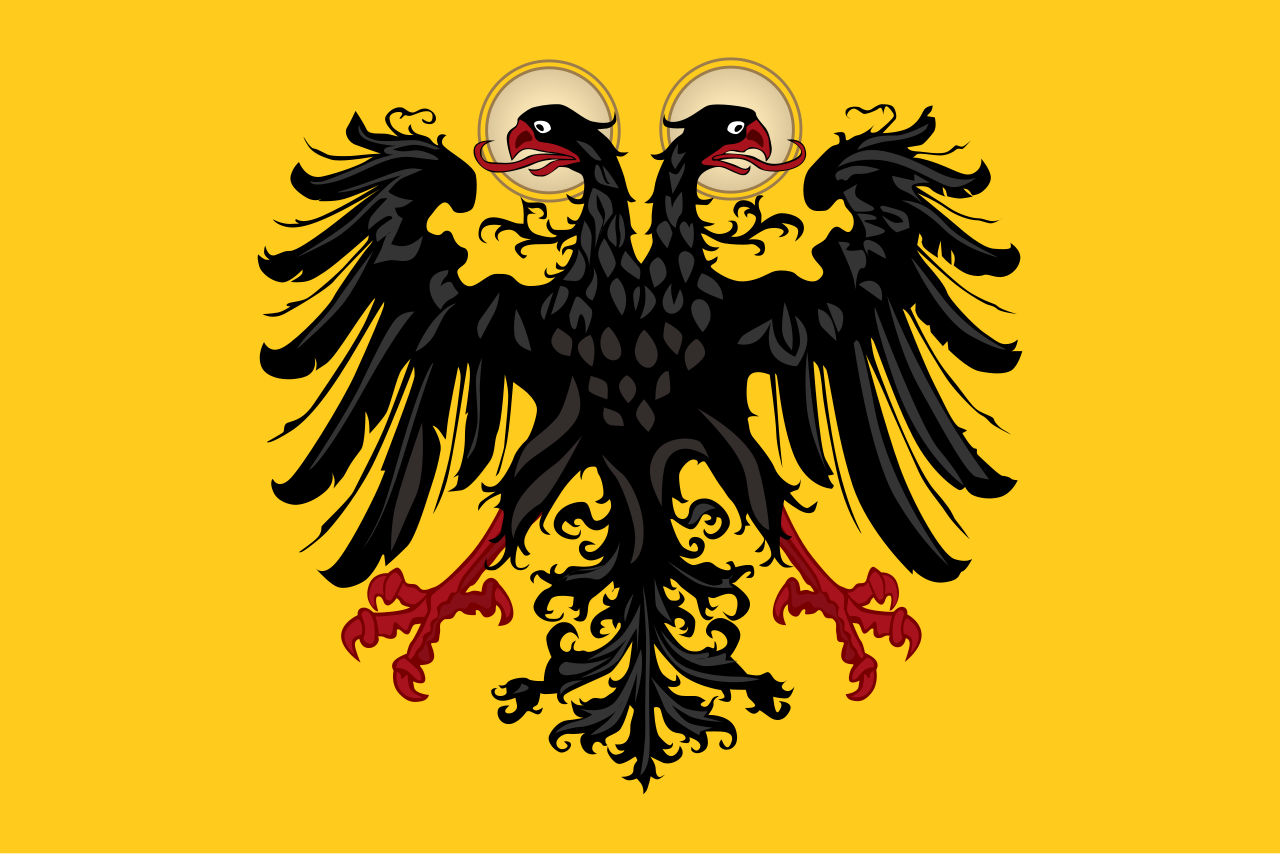
The Kingdom of Italy (Holy Roman Empire). The medieval Kingdom of Italy - 'Imperial Italy' - was the Italian third of the Holy Roman Empire: the lands north of the Papal States that emperors claimed as their own. It began in 951, when Otto I of Germany invaded Italy, married its widowed queen Adelaide, and took the Lombard crown at Pavia; in 962 he was crowned emperor in Rome, binding the crowns of Germany and Italy together for eight centuries.
The union was always uneasy. The emperor was king of Italy, but he was usually an absentee, and Italy's real life went on in its cities. When emperors came south to make their power real - above all the Hohenstaufen Frederick Barbarossa - they met the Lombard League, an alliance of northern cities led by Milan that defeated Barbarossa at Legnano in 1176 and forced him to recognize their autonomy. The resulting wars between Guelphs (the anti-imperial party) and Ghibellines (the imperial party) - fought from 1216 to 1392 - defined Italian politics for most of two centuries.
Imperial Italy's weakness was the city-states' opportunity: Milan, Venice's rivals like Genoa, Florence, and the communes of Lombardy grew rich and self-governing in the space between a distant emperor and a local pope. The Renaissance grew in precisely this gap.
The kingdom lingered on paper into the modern age - emperors kept the title, and Imperial Italy's petty lords appealed to imperial courts until the end - until Napoleon dissolved the Holy Roman Empire itself. But its true legacy was negative and enormous: by preventing any single power from uniting medieval Italy, it left the peninsula what it had become after Legnano - a patchwork of autonomous cities and duchies only nominally tied to the Empire, a disunity that lasted into the 19th century.
 Britannica: Holy Roman Empire - Charlemagne's Successors
 World History Encyclopedia: Holy Roman Empire
 Humanities LibreTexts: 14.2: Reading: The Holy Roman Empire
 The Metropolitan Museum of Art: Italian Peninsula, 1000–1400 A.D.