 Go Back

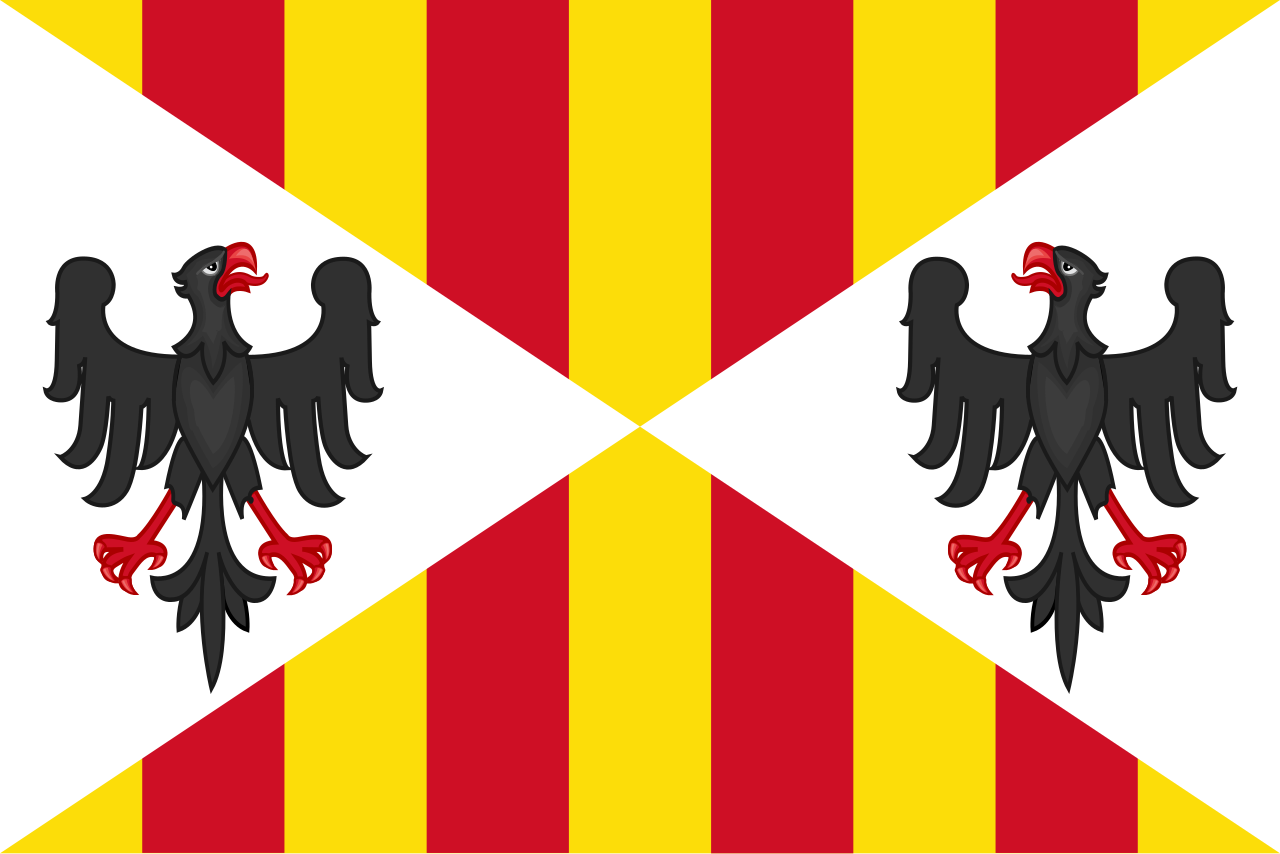
The Kingdom of Sicily. The Kingdom of Sicily (1130-1816) was medieval Europe's most remarkable melting pot: a kingdom where Norman, Greek, Arab, and Latin cultures fused under one crown. It was created by the Normans - descendants of Vikings, hired as mercenaries, who under Roger I conquered Sicily from its Muslim rulers (Palermo fell after a siege; the island was theirs by 1091) - when his son Roger II united the island, Malta, and the mainland south and was crowned king at Palermo on Christmas Day 1130, with the sanction of (anti)pope Anacletus II. His court, served by Greek, Saracen, and Latin scribes, was the most cosmopolitan court in Christendom - and the Curiae Generales he convened in 1130 has been called the first parliament in the modern sense.
The kingdom passed by marriage to the Hohenstaufen emperors: Frederick II, half-Sicilian and raised in Palermo's cosmopolitan court, made the kingdom the center of his imperial world - until his line's defeat ended German rule and brought in Charles of Anjou's French armies.
The turning point was 1282: the Sicilian Vespers, the great uprising that massacred the island's French Angevin rulers and handed Sicily over to the Crown of Aragon. The island and the mainland split - Sicily under Aragon, the mainland ('Naples') under Angevins and then Aragon too - and Sicily spent four centuries as a Mediterranean dependency: Aragonese, Spanish, briefly Savoyard and Austrian, and finally Bourbon.
In 1816 the island and Naples merged into the Kingdom of the Two Sicilies, which lasted until Italian unification. But the Norman kingdom's imprint endures in Sicily's layered Greek-Arab-Norman identity - the memory of medieval Europe's most multicultural kingdom.
 Britannica: Kingdom of Sicily
 World History Encyclopedia: Roger I of Sicily
 Khan Academy: Client Challenge
 UNESCO World Heritage Centre: Arab-Norman Palermo and the Cathedral Churches of Cefalú and Monreale