 Go Back


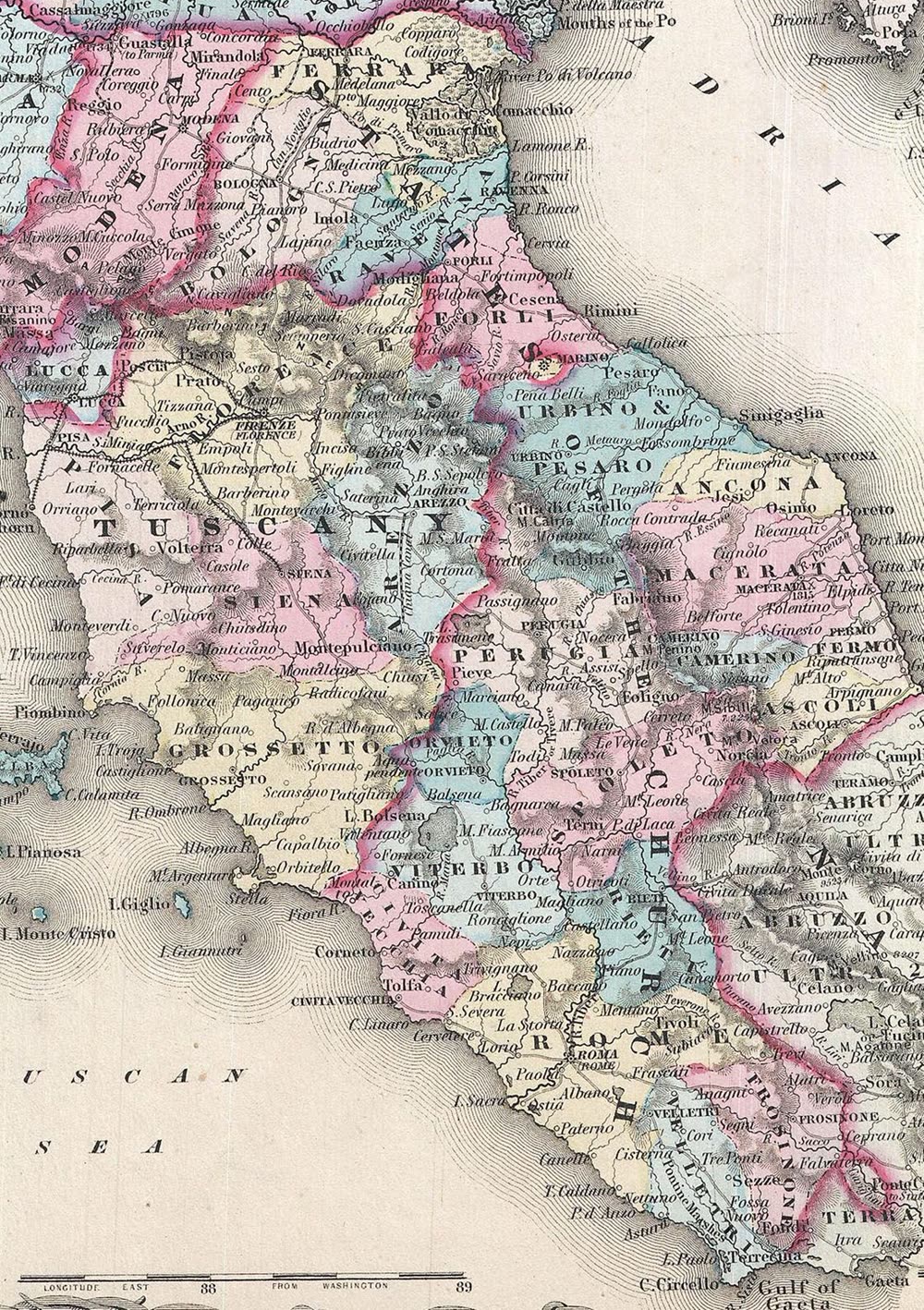
The Papal States were the popes' earthly kingdom: the band of territory across central Italy that the Bishop of Rome ruled as a sovereign prince for over eleven centuries, from 756 to 1870. They began with the 'Donation of Pepin' in 756, when the Frankish king Pepin, having defeated the Lombards, granted the pope the cities of central Italy - making the pope a territorial ruler and cementing the Frankish-papal alliance that would soon crown Pepin's son Charlemagne as emperor.
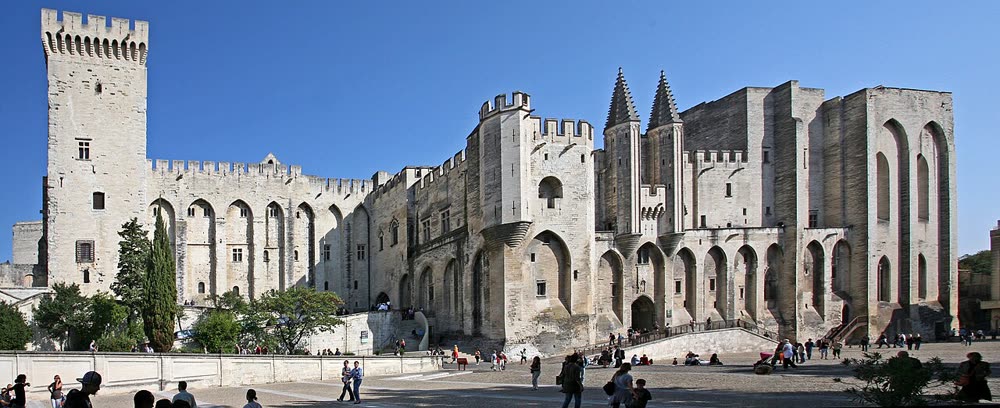
A kingdom ruled by a churchman was a strange state, and its fortunes swung wildly. At its height, medieval popes were Europe's powerbrokers, who summoned emperors to Canossa and launched crusades; at its low points the papacy was the plaything of Roman mobs, Roman barons, or foreign kings. The most famous humiliation was the 'Babylonian Captivity' (1309-1376), when the popes abandoned Rome for Avignon under French influence - the fortress-palace they built there still stands. Renaissance popes like Alexander VI and Julius II - the 'Warrior Pope' who led his own troops - restored the states by war and diplomacy, even as their worldly rule fed the storm that became the Reformation.
The states were always an anomaly: an elective theocracy with a flag, an army, and taxes. By the nineteenth century they looked like an anachronism, badly governed and propped up by foreign - mostly Austrian and French - bayonets. Italian nationalists saw them as the central obstacle to unification. Revolutions expelled the pope twice, in 1798 and 1848, and twice foreign armies restored him. The risorgimento could not be held off forever: by 1860 the armies of the Kingdom of Sardinia had taken most of the states into the new Kingdom of Italy, and only a French garrison kept the pope in Rome.
When that garrison withdrew for the Franco-Prussian War, Italian troops breached Rome's walls at Porta Pia on 20 September 1870. Pius IX was left holding only the Vatican, the self-styled 'prisoner in the Vatican.' For more than half a century the popes refused to recognize the loss - the 'Roman Question' that embittered church and state alike, still unresolved as the 1920s began. The earthly kingdom of the popes was gone; what remained was the question of what would replace it.
 Britannica: Papal States
 The Metropolitan Museum of Art: The Papacy during the Renaissance
Britannica: Papacy
 www.newadvent.org: CATHOLIC ENCYCLOPEDIA: States of the Church