 Go Back

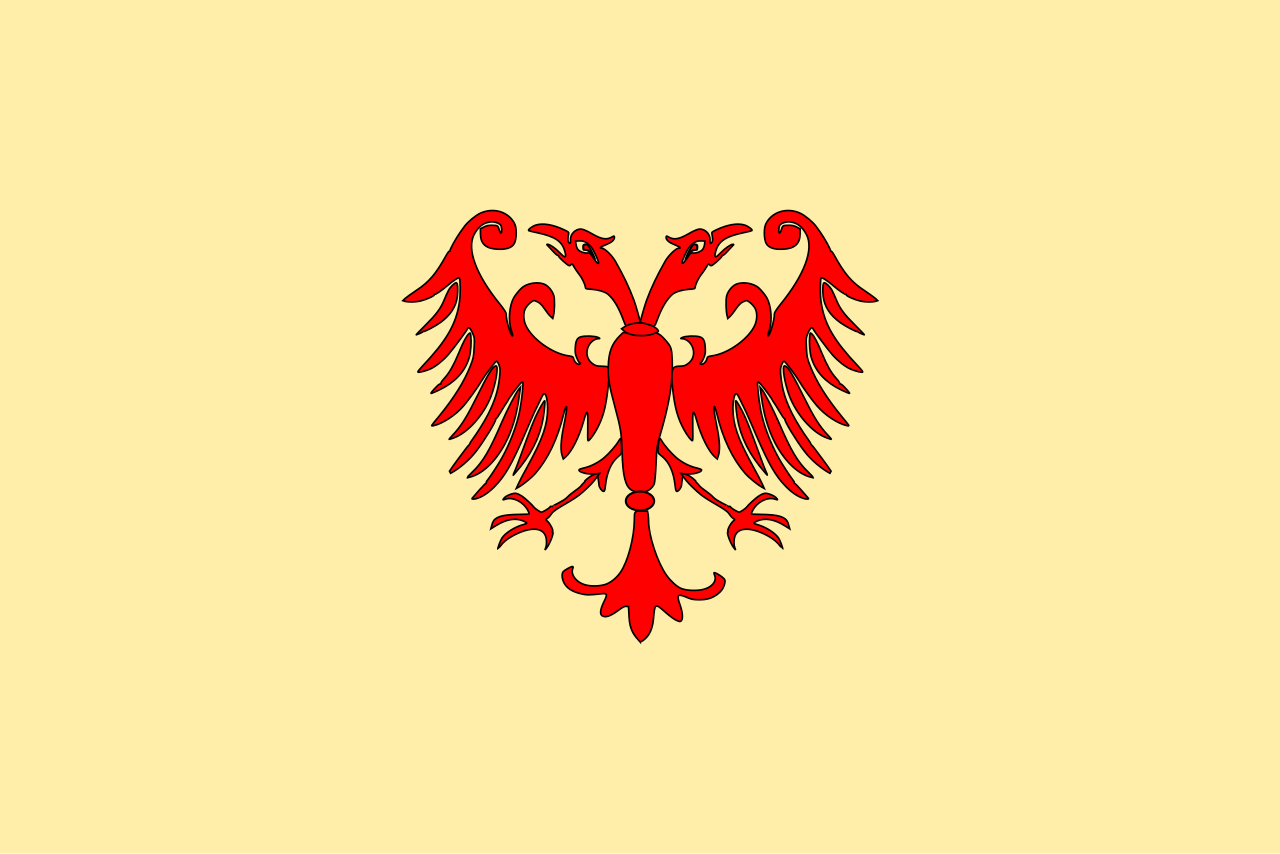
The Serbian Empire. The Serbian Empire was Serbia's moment as the master of the Balkans - brief, brilliant, and fatal. It grew from the medieval Serbian kingdom, but it was Stefan Dusan 'the Mighty' who seized the chance offered by Byzantine weakness: from 1333 he conquered Ohrid, Prilep, and Kastoria, then Thessaly, Albania, Epirus, and most of Macedonia - not in field battles but by besieging cities. By 1345 he ruled half the Balkans, more than the Byzantine or Bulgarian empires, and proclaimed himself Tsar at Serres; on 16 April 1346 he was crowned 'Emperor of the Serbs and Greeks' at Skopje by the newly elevated Serbian patriarch, in a claim to succeed Byzantium itself.
At its height Dusan's empire stretched from the Danube to the Gulf of Corinth - the most powerful state in Southeast Europe, multi-ethnic and multi-lingual, with Kosovo as its political and religious heart. Dusan ruled it through his Code of 1349, one of the great law codes of the medieval Slavic world, blending Byzantine, customary, and Serbian law.
The empire died with its maker. Dusan died suddenly in 1355, and under his son Uros 'the Weak' the great lords tore the empire apart; it effectively ended by 1371. From its ruins, Moravian Serbia emerged as the largest Serbian state under the Lazarevic dynasty - until it met the Ottomans at the legendary Battle of Kosovo in 1389, the battle that became the founding myth of Serbian nationhood.
Serbia spent centuries under Ottoman rule. But Dusan's empire and Kosovo's memory - patriarchate, code, and battle - kept the idea of Serbia alive and drove its rebirth in the 19th century: the dream of the Balkan empire that lasted one man's lifetime.
 Britannica: Battle of Kosovo (1389)
 Humanities LibreTexts: 12.24: Southeastern Europe in the Late Middle Ages
 National Geographic: Serbs Face the Future
 BBC: History - World Wars: Yugoslavia: 1918 - 2003