 Go Back

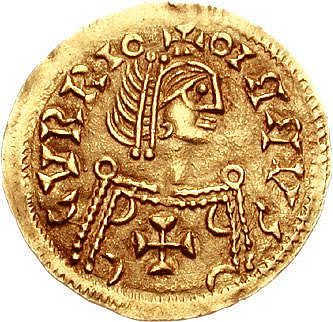
The Visigothic Kingdom. The Visigothic Kingdom (418-711) was the successor state Rome made in Spain - and one of the most remarkable of the Germanic kingdoms that rose from the Western Empire's fall. The Visigoths had entered history violently, sacking Rome itself under Alaric in 410; eight years later, as Roman allies, they settled in Gaul with a capital at Toulouse, and from there spread into Spain, which they made their true home.
The kingdom had two lives. From Toulouse the Visigoths ruled southern Gaul and most of Spain until 507, when Clovis and the Franks crushed them at Vouille and drove them south of the Pyrenees. From its new capital at Toledo, the kingdom then became genuinely Spanish - and the most Romanized of all the successor states. Its greatest moment came under Reccared: in 589 he renounced the Arian Christianity of the Gothic elite for the Catholic faith of his Hispano-Roman subjects, uniting the two peoples of his kingdom in one church.
Visigothic Spain was learned and legislated: its kings issued law codes for Goths and Romans alike, and Toledo hosted church councils that shaped Spanish Christianity for centuries. But the monarchy was elective and bloody - noble factions murdered kings and fought civil wars over the succession, weakening the state at its core.
The end came with terrifying speed: in 711 a Muslim army crossed from North Africa, defeated and killed King Roderic at the Guadalete, and within a few years almost the whole peninsula was under Muslim rule. The three-hundred-year kingdom vanished almost overnight - but its survivors in the northern mountains kept the name and the memory alive, and from them grew the Christian kingdoms of the Reconquista.
 Britannica: Spain - The Visigothic kingdom
 World History Encyclopedia: Visigoth
 Humanities LibreTexts: 1.1: The Iberian Middle Ages
 The Metropolitan Museum of Art: Iberian Peninsula, 500–1000 A.D.