 Go Back

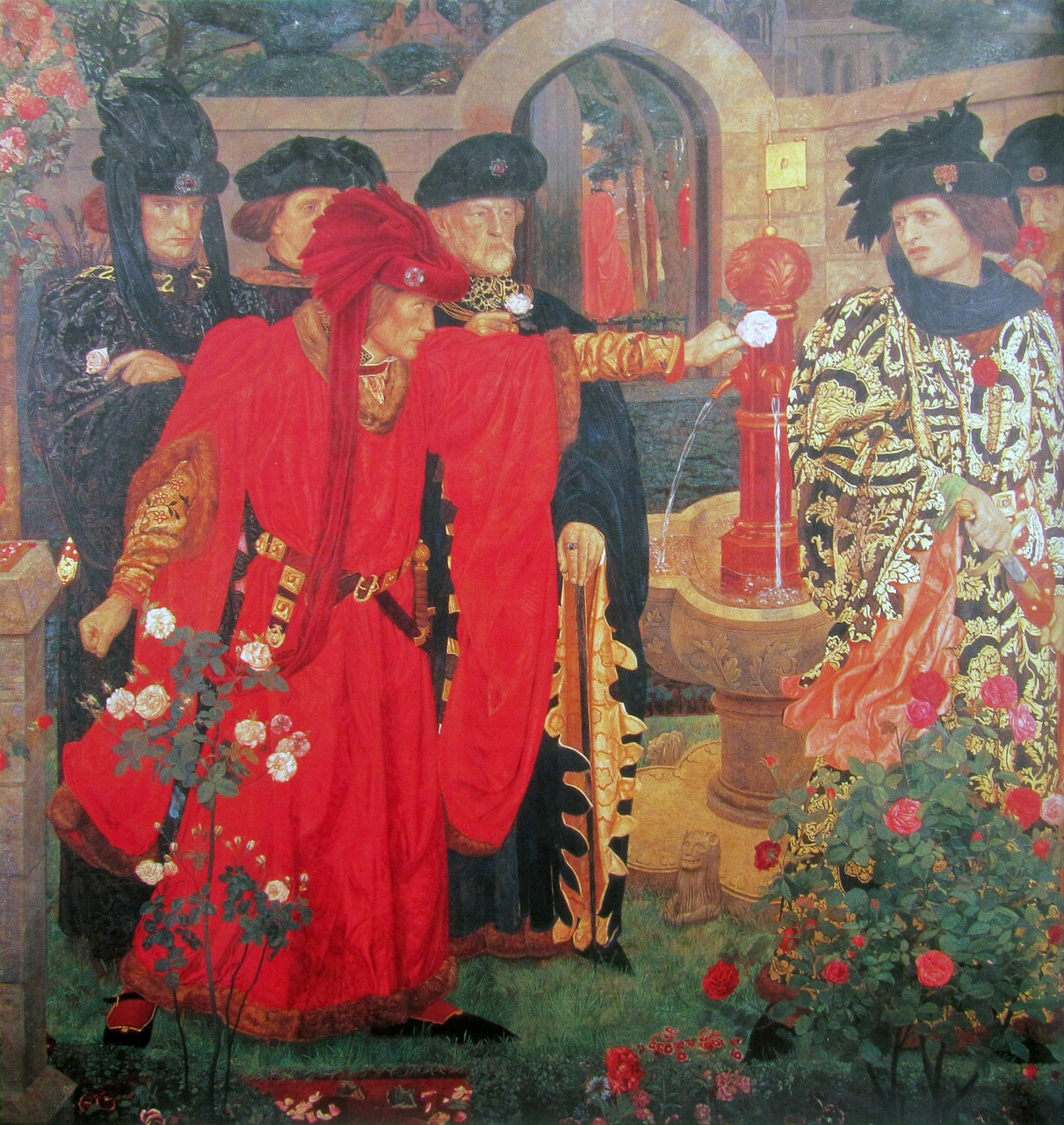
The Wars of the Roses (1455-1487) were a series of civil wars between the rival branches of the English royal house: Lancaster, symbolized by the red rose, and York, by the white. The underlying cause was the weakness of Henry VI of Lancaster - pious, gentle and intermittently insane - whose government lost the Hundred Years' War in France and drowned in debt, while 'over-mighty subjects', magnates with private armies of retainers, fought for control of the court. The dynastic question opened in 1460, when Richard, Duke of York - displaced as heir presumptive by the birth of Henry's son - claimed the throne itself as the senior descendant of Edward III.
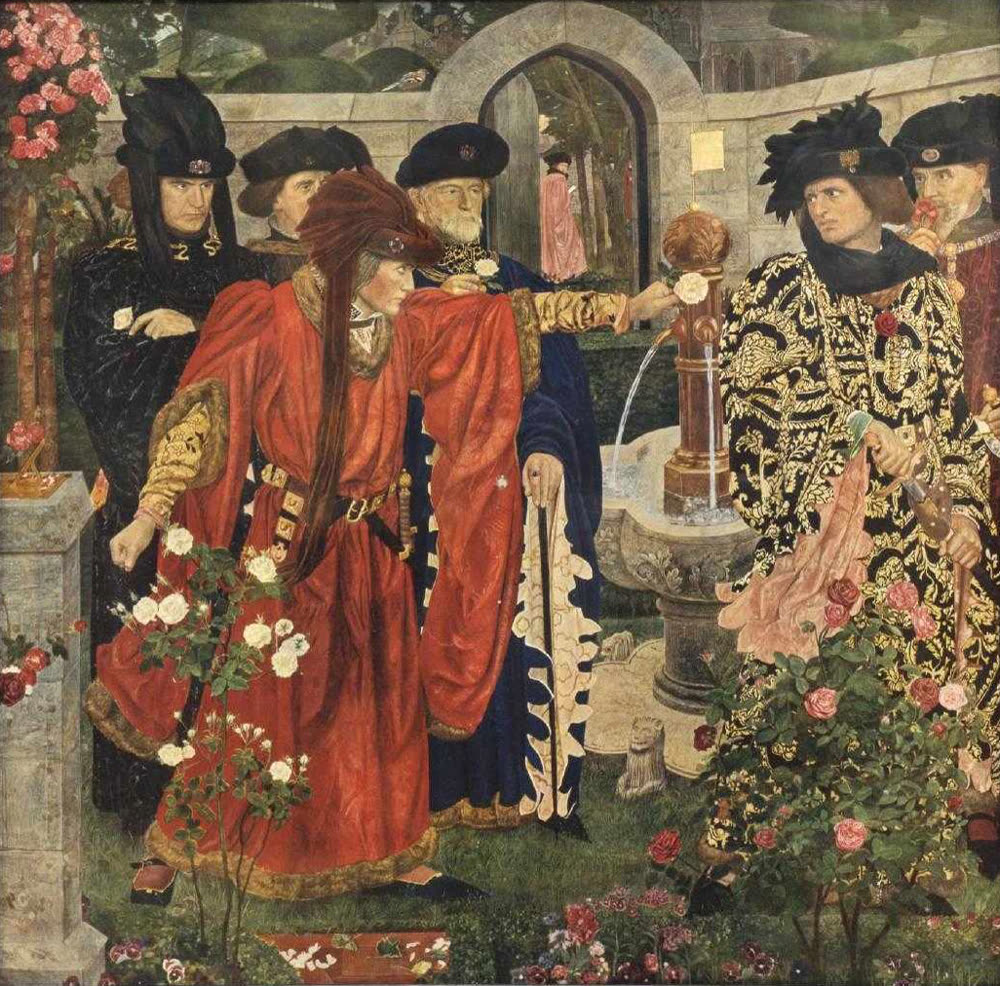
The first war began at St Albans in 1455, and for six years the advantage swung violently between the houses. York himself was killed at Wakefield in 1460, his head displayed at York with a paper crown - but within months his eighteen-year-old son Edward, Earl of March, crushed the Lancastrians at Towton in March 1461, fought in a snowstorm: the bloodiest battle ever fought on English soil. Edward was crowned Edward IV while Henry VI's formidable queen, Margaret of Anjou, kept the Lancastrian cause alive in exile. Her last throw came in 1471, and Edward answered it twice: at Barnet, where the turncoat Earl of Warwick - the 'Kingmaker' who had made and unmade both kings - died in the rout, and at Tewkesbury, where the Lancastrian Prince Edward was killed. Henry VI died in the Tower days later, and the house of York seemed secure.
Edward IV ruled capably until his sudden death in 1483 left two young sons, aged twelve and nine. Their uncle Richard, Duke of Gloucester, moved within weeks: he declared the princes illegitimate, took the throne as Richard III, and shut the boys in the Tower of London, where they disappeared - almost certainly murdered on his orders, the most infamous crime in English royal history. The usurpation split the Yorkist party and opened the way for an improbable claimant: Henry Tudor, Earl of Richmond, exiled in Brittany, whose claim ran through the legitimized Beaufort line of Lancaster.
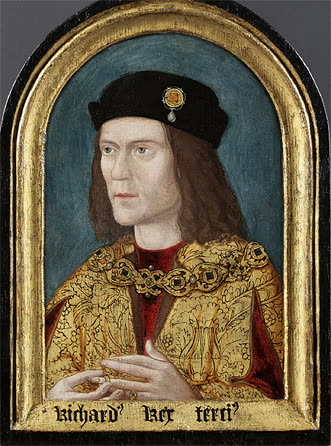
In August 1485 Henry Tudor landed in Wales with a small army of exiles and French mercenaries, gathered supporters as he marched, and met Richard at Bosworth Field. The battle turned on betrayal: the Stanley family, holding the balance, held back and then struck for Henry; Richard, charging straight at his rival, was cut down fighting - the last English king to die in battle. Henry was crowned on the battlefield with the circlet taken from the dead king's helm, as Henry VII, the first Tudor.
Henry VII ended the wars by marriage and management. He married Elizabeth of York, Edward IV's daughter, uniting the houses in the two-colored Tudor rose; he defeated the last serious Yorkist rising, the pretender Lambert Simnel, at Stoke Field in 1487 - often counted as the wars' true end. Then he systematically broke the class that had made the wars: private retinues were restricted by law, royal finance rebuilt, dynastic rivals executed or bought. The military aristocracy that had made and unmade kings for thirty years emerged decimated and cowed. The Wars of the Roses destroyed the old Plantagenet world and left England a stronger, more centralized monarchy under the Tudors than it had ever been before.
 Britannica: Wars of the Roses
 World History Encyclopedia: Wars of the Roses
World History Encyclopedia: Causes of the Wars of the Roses