 Go Back

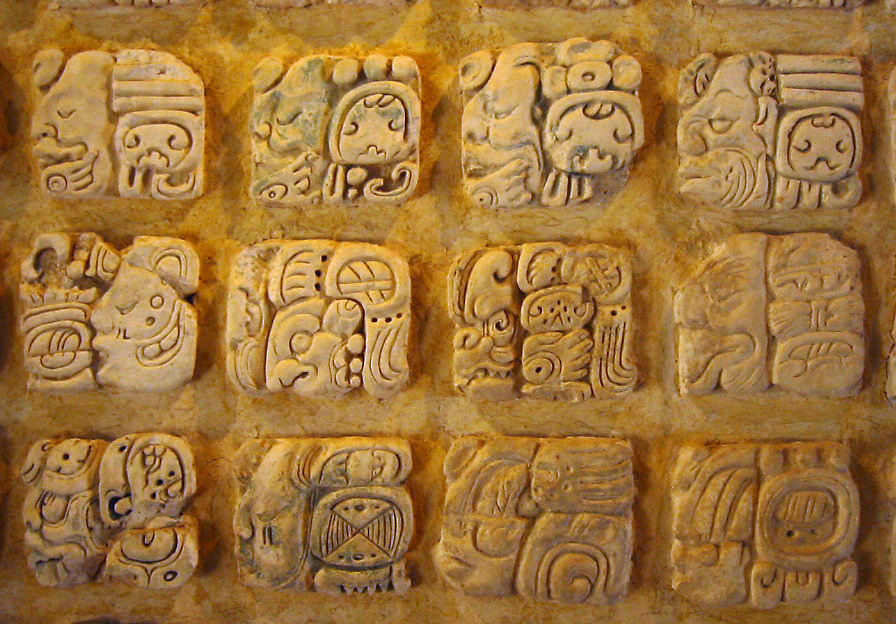
The Classic Maya. The Classic Maya (c. 250-900 AD) were the most brilliant civilization of the ancient Americas. In the jungles of the Yucatan Peninsula, Guatemala, Belize, and western Honduras - lands where Maya farmers had grown maize, beans, squash, and chili peppers for millennia, built their first cities by 750 BC, and used hieroglyphic writing by the 3rd century BC - dozens of city-states - Tikal, Calakmul, Palenque, Copan - raised sculpted monuments dated by the Long Count calendar, linked by trade, alliance, and war; the two great rivals, Tikal and Calakmul, fought for supremacy for centuries, and even distant Teotihuacan intervened in Maya dynastic politics. Their achievements were intellectual as much as monumental: the Maya script is the most sophisticated writing system of the pre-Columbian Americas, their interlocking ritual calendars and mathematics included one of the earliest explicit uses of zero in human history, and their kings were 'divine kings' thought to mediate between mortals and the supernatural realm, expected to be successful war leaders as well as rulers, though by the Late Classic a growing aristocracy had reduced their once-exclusive power - master artists in jade, obsidian, ceramics, stucco, and painted murals, and practitioners of human sacrifice as part of their religion.
The literate Maya elite recorded their history and ritual knowledge in screenfold books - only three uncontested examples survive - and on countless stelae and ceramics. In the 9th century the central Maya world collapsed into civil wars and abandoned cities, its population shifting north. But the Maya did not vanish: Chichen Itza rose in the Postclassic north, Maya kingdoms still fought the Spanish into the 17th century - the last Maya city fell only in 1697 - and millions of Maya people, speaking Maya languages, live in the same lands today.
 Britannica: Pre-Columbian civilizations - Classic Maya, Collapse, Archaeology
 World History Encyclopedia: Maya Civilization
 Humanities LibreTexts: 12.5: The Classic Period of the Maya
 The Metropolitan Museum of Art: Maya Area, 500–1000 A.D.