 Go Back
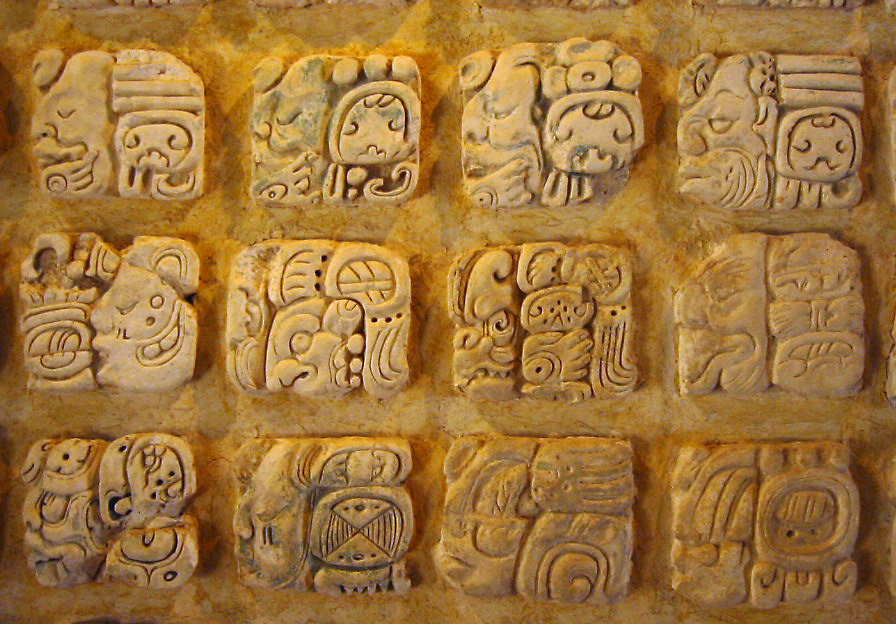
The Classic Maya. The Classic Maya civilization flourished across the tropical lowlands of modern southern Mexico, Guatemala, Belize, and western Honduras from 250 CE to 900 CE. Organized into dozens of fiercely competitive, independent city-states like Tikal, Calakmul, and Palenque, the Maya built magnificent limestone temples, vast plazas, and elevated causeways. This civilization is historically vital because it developed the most fully written script in the pre-Columbian Americas, advanced mathematical concepts including the zero, and sophisticated astronomical calendars.
Maya society was dominated by divine kings (k'uhul ajaw) who waged constant ritual warfare against rival city-states to expand trade routes and capture high-ranking prisoners for sacrifice. They sustained huge urban populations using intensive raised-field agriculture and complex water management systems. In the 9th century CE, the Classic Maya experienced a catastrophic regional collapse, where major southern cities were rapidly abandoned due to severe prolonged droughts, environmental degradation, and relentless warfare.