 Go Back
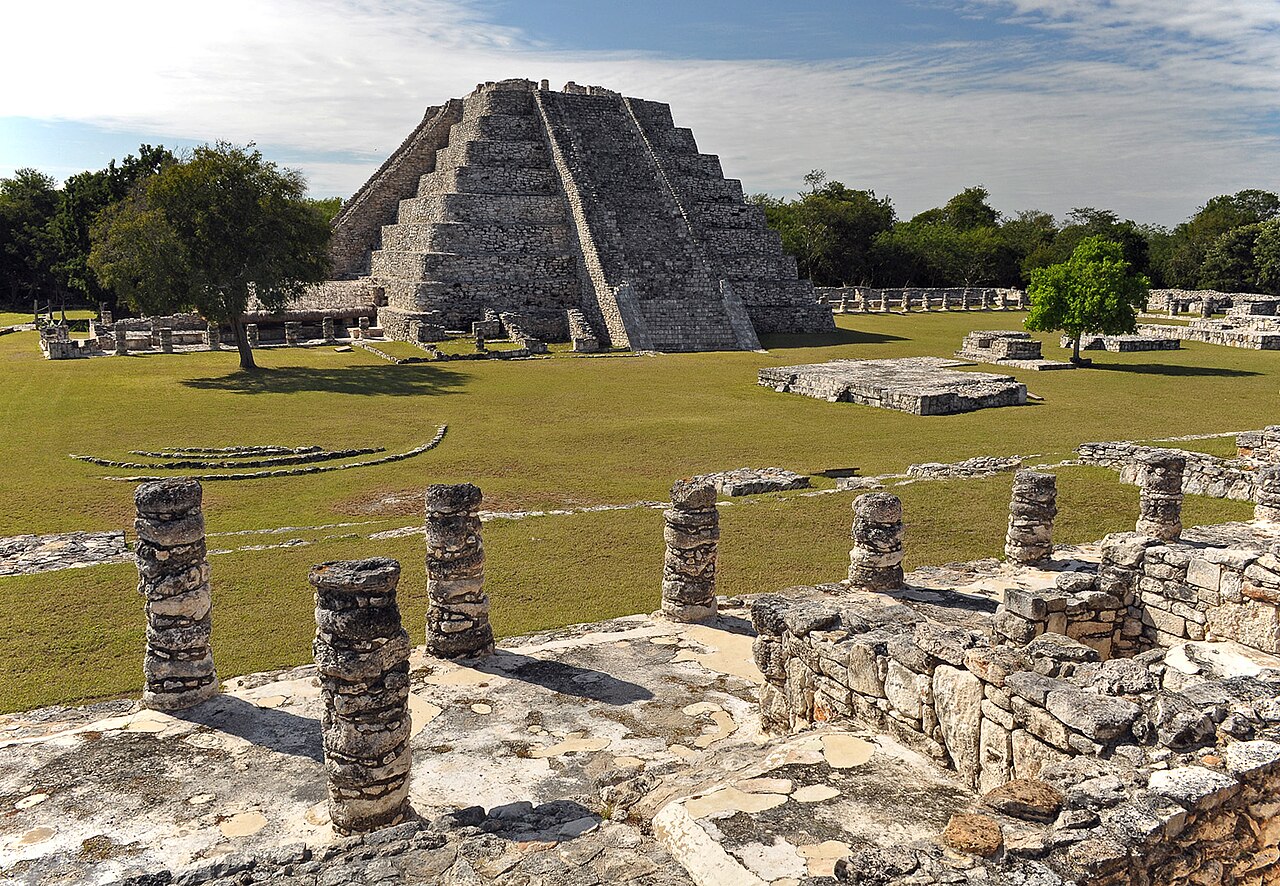
Postclassic Maya (Chichén Itzá & Mayapán). Postclassic Maya civilization refers to the resilient lowland Maya societies that thrived in the northern Yucatán Peninsula from roughly 900 to 1500 CE following the Classic period collapse. Centered first at the magnificent cosmopolitan city of Chichén Itzá and later at the walled city of Mayapán, this era matters because it demonstrated remarkable cultural adaptation. The Maya restructured their political networks away from divine kingship toward shared council rule (multepal) and dynamic international maritime trade.
Cities like Chichén Itzá synthesized central Mexican and traditional Maya architectural styles, constructing legendary monuments like El Castillo pyramid and massive ball courts. They established extensive coastal trade routes across the Caribbean, trading salt, honey, cacao, and cotton for jade and gold. Internal rivalries led to Mayapán's violent overthrow in the mid-15th century, leaving the northern Yucatán fragmented into dozens of small, fiercely independent provinces that resisted Spanish conquest for decades.