 Go Back

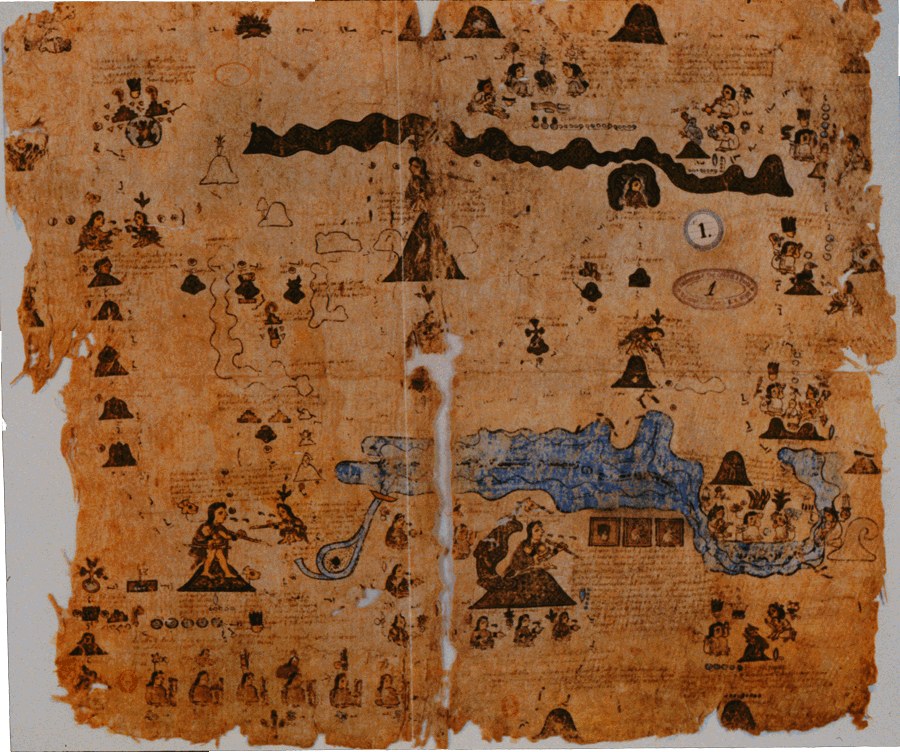
The Chichimec Migrations. The Chichimec migrations (c. AD 600-1520) were the long waves of movement that carried the peoples of northern Mexico into the settled heartland of Mesoamerica. To the civilizations of central Mexico, the north was the land of the Chichimecs, a catch-all name for the hunting and gathering peoples beyond the farming frontier: the Guachichil, Pame, Otomi, Zacateco, and many others. Painted manuscripts such as the Codex Boturini and the Codex Xolotl preserved the traditions of how these northern peoples journeyed south into the Valley of Mexico and its neighbors.
The first great movements came as the city of Tula, heir of Teotihuacan, flourished and then fell around the twelfth century. Northern peoples pressed into its world, and new powers rose from the mixing: the Toltecs themselves traced part of their ancestry to Chichimec migrants, and after Tula's fall, bands of Chichimeca under leaders remembered as Xolotl and his son Nopaltzin settled in the eastern valley and founded the Acolhua realm of Texcoco.
The most famous migration of all was that of the Mexica, the future Aztecs, who told how they left their northern homeland of Aztlan and wandered for generations before founding Tenochtitlan in 1325. From such Chichimec beginnings rose the greatest power of late Mesoamerica. Yet the unconquered north remained: when the Spaniards tried to push into the mining country of the Chichimeca, the fierce Guachichil and their allies fought the long Chichimec War of 1550-1590, the costliest Indian war of the colonial period, which Spain ended only by negotiation and gifts.
The Chichimec migrations remind us that the civilizations of Mexico were built by migrants from the desert edge, and that the line between the settled south and the nomadic north was a frontier where new peoples and new states were continually made.
 Encyclopedia.com: Chichimecs
 Wikipedia: Chichimeca
 SciELO: Cambios en la frontera Chichimeca
 Sacred Heart University: Discovering the Chichimecas