 Go Back

The Purepecha Empire. The Purepecha Empire (c. 1350-1522), also called the Tarascan state, ruled the highlands of western Mexico from its capital at Tzintzuntzan, on the shores of Lake Patzcuaro. The Purepecha people, whose language has no known relatives, were united in the fourteenth century by the culture hero Tariacuri and his successors, who welded the lordships of the lake region into a single kingdom. At its height the empire stretched across much of modern Michoacan and beyond, ruled by a king, the irecha, whose court of priests, nobles, and warriors governed a populous and prosperous land.
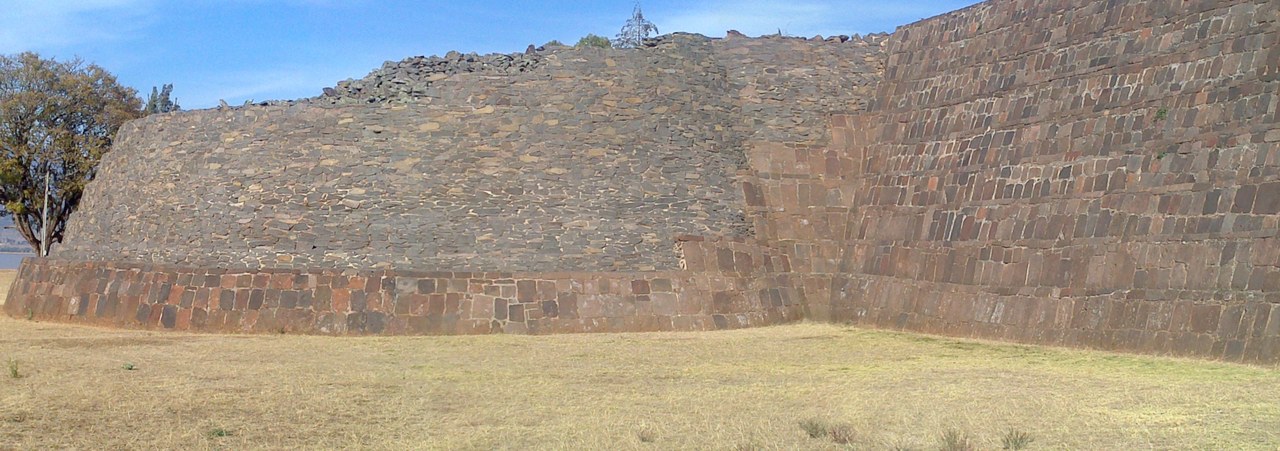
The Purepecha were the great metalworkers of ancient Mexico. While most Mesoamerican peoples worked metal rarely and only for ornament, Purepecha smiths produced copper and bronze tools, weapons, bells, and ornaments in quantity, along with gold and silver work prized across Mexico. Their cities were crowned with distinctive keyhole-shaped temple platforms called yacatas, and their obsidian mines, featherwork, and lacquerware fed a busy trade.
The empire was the great rival of the Aztecs. When the Aztec armies pushed west, the Purepecha met them at the frontier, and in 1479 they crushed the invading host of King Axayacatl, the worst defeat the Aztecs ever suffered. The border held, and the Purepecha remained the one major state of central Mexico that Tenochtitlan could not conquer. Their independence ended not with the Aztecs but with the Spaniards: in 1522 the last irecha, Tangaxoan II, submitted to the conquistadors, and within a decade the kingdom had been absorbed into New Spain.
The Purepecha legacy is alive in Michoacan, where hundreds of thousands still speak the Purepecha language and keep the crafts of their ancestors. The yacatas of Tzintzuntzan still stand above Lake Patzcuaro, monuments of the empire that defied the Aztecs.
 Wikipedia: Purepecha Empire
 Oxford Handbook of Mesoamerican Archaeology: The Tarascan Empire
 INAH: Tzintzuntzan
 Archaeology Magazine: Tzintzuntzan