 Go Back

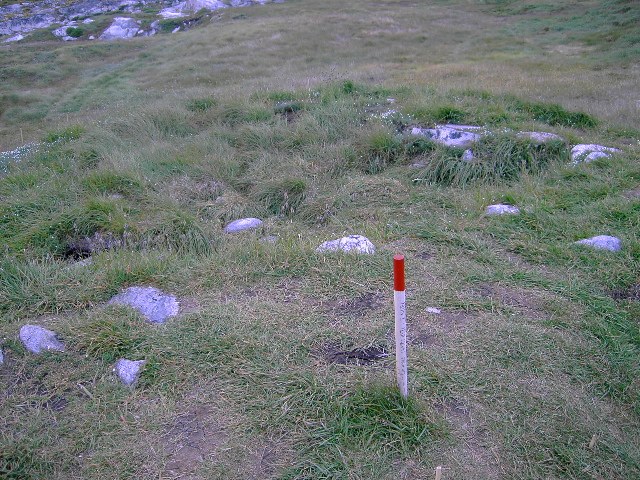
The Thule Migration. The Thule migration (c. AD 1000-1600) was one of the fastest and most remarkable expansions in human prehistory: the movement of the ancestors of the Inuit across the top of the world, from Alaska to Greenland, in only a few centuries. The Thule people developed in the Bering Strait region, where for generations Arctic hunters had perfected the technology of life on the ice: the kayak and the large open boat called the umiak, dog sleds, toggling harpoons, and houses of stone, turf, and whalebone.
Around AD 1000, as the climate of the High Arctic grew briefly milder and the great bowhead whales ranged east through the channels of the Canadian Arctic, Thule hunting bands followed. Moving east in their skin boats, they spread across the northern coast of North America, reaching Greenland within a few hundred years, and displacing or absorbing the older Dorset people, whom Inuit tradition remembers as the Tuniit, a strong but shy folk who had lived in the Arctic for two thousand years before them.
The Thule were supremely adapted to their world. They hunted bowhead whales from flotillas of umiaks, seals at the breathing holes of the winter ice, and caribou on the summer tundra, and their way of life proved so successful that it changed little until modern times. Archaeologists trace their passage in the whalebone frames of their winter houses, scattered along coasts from Siberia to Greenland.
The Thule migration created the modern map of the Arctic: the Inuit of Canada and Greenland and the Inupiat of Alaska are all the descendants of these travelers, and their languages remain so similar that a Greenlander and an Alaskan can still partly understand one another after a separation of a thousand years. It stands with the Polynesian voyages as one of the greatest migrations of the pre-industrial world.
 The Canadian Encyclopedia: Early Inuit (Thule Culture)
Heritage Newfoundland and Labrador: The Thule
 De Gruyter: The Thule Migration: A Culture in a Hurry?
 University of Alaska Museum: Thule and their Ancestors