 Go Back

Organized opposition to slavery in the United States began long before the famous abolitionist campaigns of the 1830s. Northern states had abolished slavery gradually after the Revolution, and free Black communities in cities like Philadelphia, New York, and Boston built churches, schools, and mutual aid societies that became the institutional base of the antislavery struggle. In 1817 the American Colonization Society proposed sending free Black Americans to Africa, a plan many white moderates embraced and most Black leaders flatly rejected as a scheme to strengthen slavery by removing free people of color. Black newspapers, beginning with Freedom's Journal in 1827, answered with a clear demand: immediate emancipation and full rights at home.
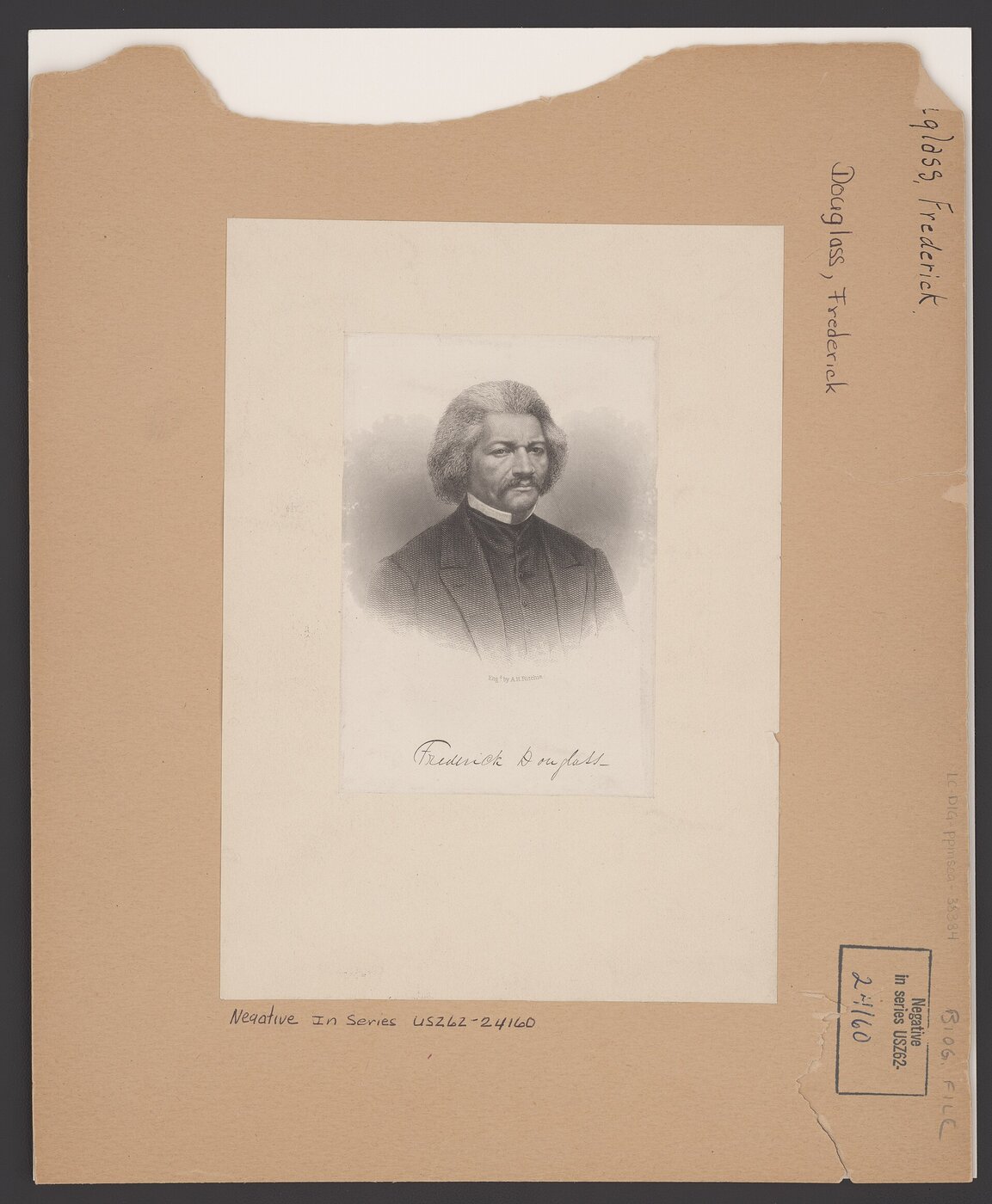
In 1829 David Walker, a free Black clothing dealer in Boston, published his Appeal to the Colored Citizens of the World, a militant call for resistance that circulated secretly in the South and terrified slaveholders. Two years later William Lloyd Garrison launched the Liberator, rejecting gradualism and colonization and demanding immediate, uncompensated emancipation. In 1833 Garrison joined Black and white activists to found the American Anti-Slavery Society. Black abolitionists were never junior partners: Maria Stewart became one of the first American women to lecture publicly on politics, Frederick Douglass escaped slavery in 1838 and became the movement's most powerful orator and author of a bestselling Narrative in 1845, and Sojourner Truth carried antislavery and women's rights together onto the lecture circuit.
Abolitionists flooded Congress with antislavery petitions until the House adopted the gag rule in 1836, automatically tabling them; former president John Quincy Adams fought the rule for eight years until it was repealed. The movement faced mob violence, including the 1837 murder of the antislavery editor Elijah Lovejoy in Illinois. Politically, abolitionists formed the Liberty Party in 1840 and later fed into the Free Soil and Republican coalitions. Black activists organized through a national convention movement, pressed for school integration in northern cities, and sustained the escape networks described on the Underground Railroad page.
The movement's pressure helped make slavery the central question of national politics, and the Civil War turned its core demand into law: the Emancipation Proclamation in 1863 and the Thirteenth Amendment in 1865, both covered on their own pages. Abolitionists then fought for citizenship, suffrage, and education during Reconstruction. When those gains were rolled back, veterans of the movement and their descendants carried the activism into new organizations in the early twentieth century, keeping the demand for equal citizenship alive into the era of the NAACP.
 Britannica: Abolitionism
 Library of Congress: Abolition and the Sectional Controversy
 BlackPast: National Negro Convention Movement, 1831-1864