 Go Back

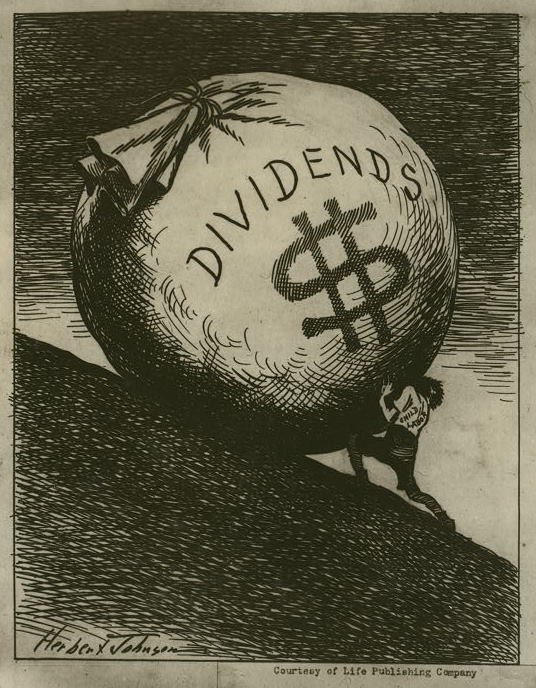
In 1900, roughly one American child in six worked for wages. Children spun thread in Southern cotton mills, sorted coal in Pennsylvania breakers, shucked oysters, sold newspapers on city streets, and labored on family farms from dawn to dark. They worked because their families needed the money, because employers found them cheap and manageable, and because most states either lacked child labor laws or failed to enforce them. The cost was stunted health, lost schooling, and frequent maiming by machinery.
The campaign against child labor was led by the National Child Labor Committee, founded in 1904, which understood that reform required evidence. From 1908 it employed the photographer Lewis Hine, a trained sociologist, to document the reality. Hine talked his way into mills and mines posing as a machinery photographer or insurance salesman, secretly noting children's names and ages, measuring their heights against his coat buttons, and photographing them beside the machines they tended.
Hine's pictures, of breaker boys bent over coal chutes and small girls tending spinning frames, circulated in exhibitions, pamphlets, and newspaper pages and became the movement's strongest weapon. State by state, reformers won minimum ages and limits on working hours. In 1916 Congress went further, passing the Keating-Owen Act, which barred from interstate commerce goods made by child labor; but in 1918 the Supreme Court struck it down as an overreach of federal power.
In 1924 the fight entered a new phase. Congress that year approved a constitutional amendment authorizing federal regulation of child labor and sent it to the states, where ratification stalled. Reformers had still transformed public opinion: child labor in factories was falling steadily, school attendance was rising, and the principle that childhood belonged to school, not the mill, was increasingly accepted across the nation.
 Britannica: Child Labour
Britannica: Lewis W. Hine
 Library of Congress: National Child Labor Committee Collection