 Go Back

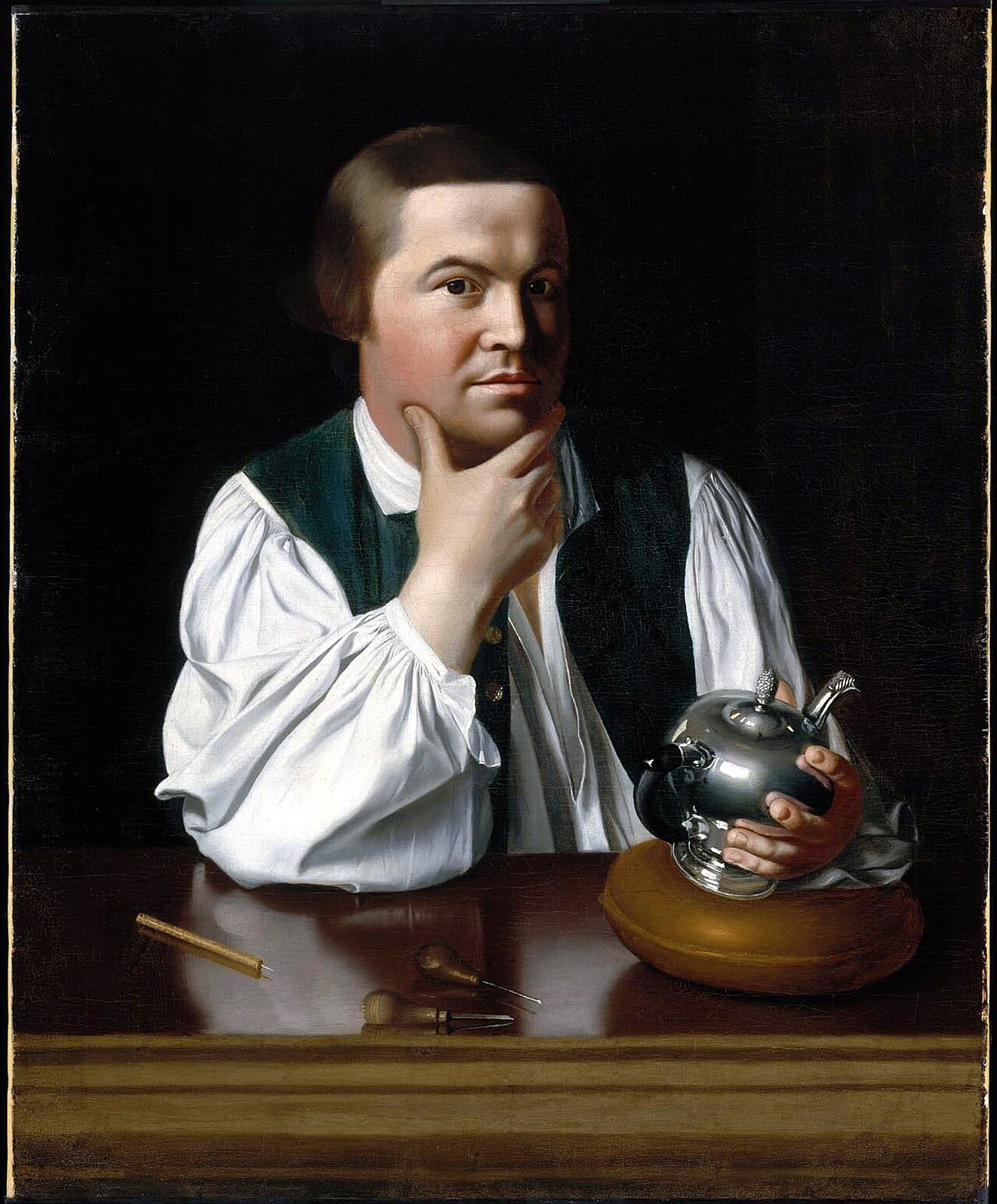
Colonial towns depended on artisans who turned raw materials into the goods needed for daily life. Carpenters, masons, bakers, shoemakers, tailors, smiths and many other trades supported expanding settlements and seaports. Their businesses connected local customers with merchants and distant markets. The category included both prosperous masters and workers living close to poverty. Skill offered a possible route to independence, but it did not guarantee security or equal standing within the town.
A workshop was often attached to a home, making the household central to production. Masters could work alongside journeymen, apprentices, servants and enslaved laborers. An apprentice usually entered a contract while young and lived with a master who provided instruction and maintenance. After completing training, a worker might earn wages as a journeyman before attempting to open a shop. Tools, savings, customers and access to credit determined whether that transition was possible.
Different trades offered very different prospects. Fine metalwork and cabinetmaking could attract wealthy customers, while crowded trades such as tailoring and shoemaking often brought lower earnings. Construction created employment but varied with demand and season. Illness, debt and fluctuations in commerce could quickly undermine a small business. Ports also exposed workers to epidemics and to disruptions caused by imperial wars. The familiar image of an independent master therefore describes only one part of a more varied working population.
Artisans helped shape urban society through the services they supplied, the households they organized and their participation in public affairs. Some joined resistance to imperial measures as commercial disputes affected livelihoods and local politics. Independence created new opportunities, but growing markets also changed relationships between masters and wage earners. The colonial workshop was an important bridge between household production and a more commercial economy. Studying it explains how ordinary skills sustained towns and why economic change could threaten the independence that skilled workers hoped their trades would provide. Paul Revere, remembered for his political activity, also belonged to this skilled urban world as a silversmith whose products required tools, training and customers.
 Encyclopedia.com: Artisans and Craft Workers
 Encyclopedia of Greater Philadelphia: Artisans