 Go Back

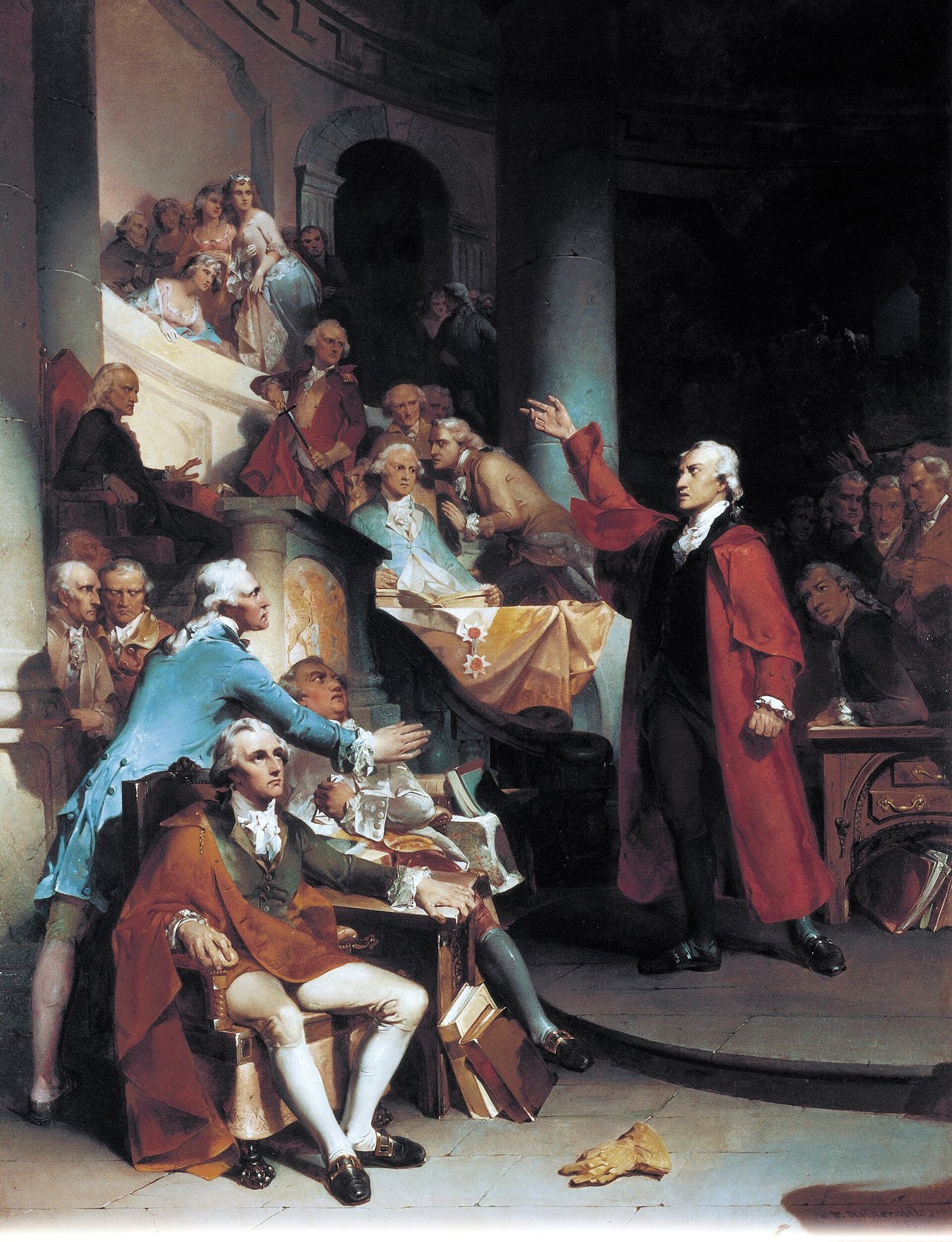
One of the most consequential developments of colonial America happened quietly, in committee rooms: the rise of elected assemblies. The first was Virginia's House of Burgesses, summoned in 1619, only twelve years after Jamestown's founding, when the Virginia Company allowed settlers a voice in their own laws. By the eve of the Revolution, elected assemblies had become a central institution of colonial government. Royal charters and governors might come and go, but the principle that Englishmen must consent to their own government had taken root in American soil and would not be pulled up.
The assemblies' power grew from a simple lever: money. Governors were sent from London or appointed by proprietors, but their salaries and all local taxes had to be voted by the assemblies, and the 'power of the purse' proved mightier than royal instructions. Year after year, burgesses and representatives withheld salaries, rewrote money bills and traded appropriations for concessions, winning control over taxation, election rules, courts and much of colonial administration. Historians call the result the rise of the assembly, a slow constitutional revolution carried out by bookkeeping.
These bodies were not democracies in the modern sense. Voting was generally limited to white men with property, and great planter and merchant families dominated the benches. But they were genuinely representative for their time, their members chosen in hard-fought local elections and answerable to neighbors. In their debates, a generation of American politicians, including Patrick Henry, Benjamin Franklin and John Dickinson, learned the arts of legislation, finance and opposition that would one day run a nation.
When Britain tried to tax the colonies directly after 1763, it struck the assemblies' most sacred claim: that only they could tax their constituents. The cry of 'no taxation without representation' was not new doctrine but a summary of a century and a half of practice. The assemblies coordinated the resistance, the Stamp Act Congress, the committees of correspondence, that turned thirteen separate colonies into a united cause. America's revolution began in its colonial legislatures.
 Britannica: House of Burgesses
 Encyclopedia.com: Colonial Assemblies
Encyclopedia.com: Colonial Government in British America