 Go Back

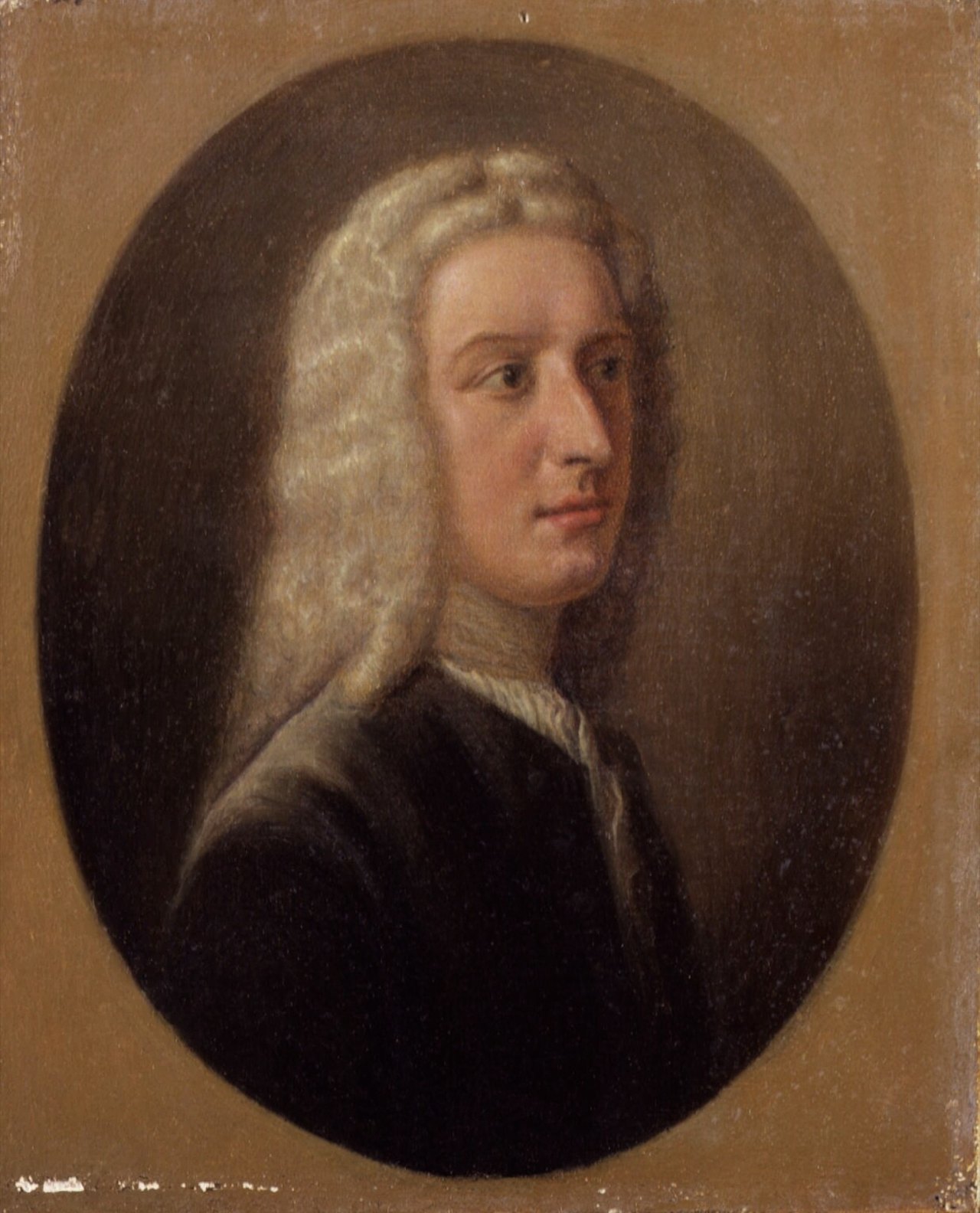
Georgia, chartered in 1732, was the last of the thirteen colonies, founded with an unusual blend of philanthropy, idealism, and strategy. Its moving spirit was James Edward Oglethorpe, a member of Parliament whose work on prison reform had exposed the misery of debtors' jails. The Georgia Trustees proposed a colony where England's 'worthy poor' could farm small plots with dignity: land grants capped in size and passing only through male heirs, rum banned, and slavery prohibited - partly on humanitarian grounds, partly because a buffer colony of armed free farmers between South Carolina and Spanish Florida could not afford a slave population. Their motto was Non sibi sed aliis: not for self, but for others.
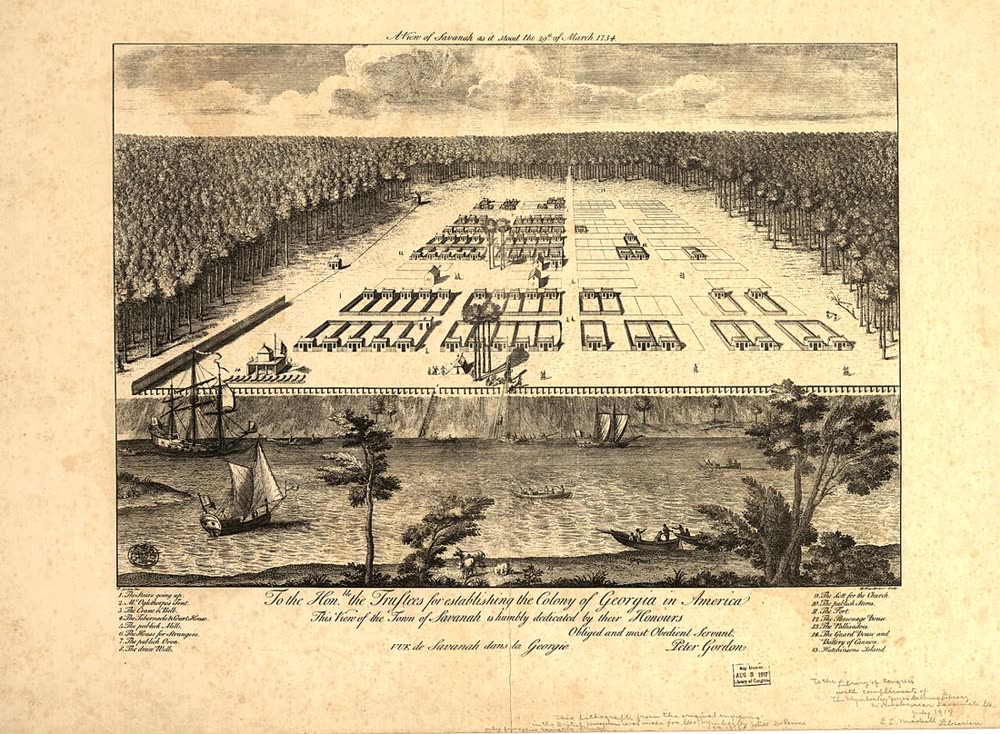
Oglethorpe led the first settlers to Savannah in 1733, laying out the town's famous grid of wards and squares. He cultivated peace with the Yamacraw chief Tomochichi, who ceded the town site and in 1734 sailed to England with his family, where the delegation was feted by the Trustees, received by the king and queen, and painted by William Verelst. Oglethorpe negotiated carefully with the powerful Creek confederacy, whose friendship kept Georgia's frontier quiet while the colony found its feet.
Georgia's real test was war. When conflict with Spain came in 1739, Oglethorpe's invasion of Florida failed before St. Augustine, and in 1742 a Spanish counterattack landed on St. Simons Island. It was bloodily repulsed at the Battle of Bloody Marsh - a small fight with a large result: Spain never again mounted an offensive against Britain's colonies on the East Coast. Oglethorpe went home a national hero in 1743 and never returned.
The trustees' utopia eroded under pressure from within. Colonists resented the limits on landholding and complained that free labor could not compete with the slave-worked rice plantations of South Carolina next door. One by one the bans fell: rum in 1742, land restrictions loosened, slavery legalized in 1751 - and with slavery came the very plantation economy the founders had meant to prevent. In 1752 the Trustees, disappointed and broke, surrendered their charter a year early, and Georgia became a royal colony.
Royal Georgia boomed. Rice and indigo plantations spread along the coast, worked by enslaved Africans, while small farmers pushed into the Creek backcountry and Savannah grew into a busy Atlantic port. By the 1760s Georgia was British America's youngest and fastest-growing colony, its founders' experiment in a slave-free yeoman republic all but forgotten beneath the plantations of the southern frontier - an experiment whose bans lasted barely twenty years, but whose founding ideal made Georgia unique among the thirteen.
 Britannica: James Edward Oglethorpe
Britannica: Georgia History
 New Georgia Encyclopedia: Trustee Georgia, 1732-1752
New Georgia Encyclopedia: James Oglethorpe