 Go Back

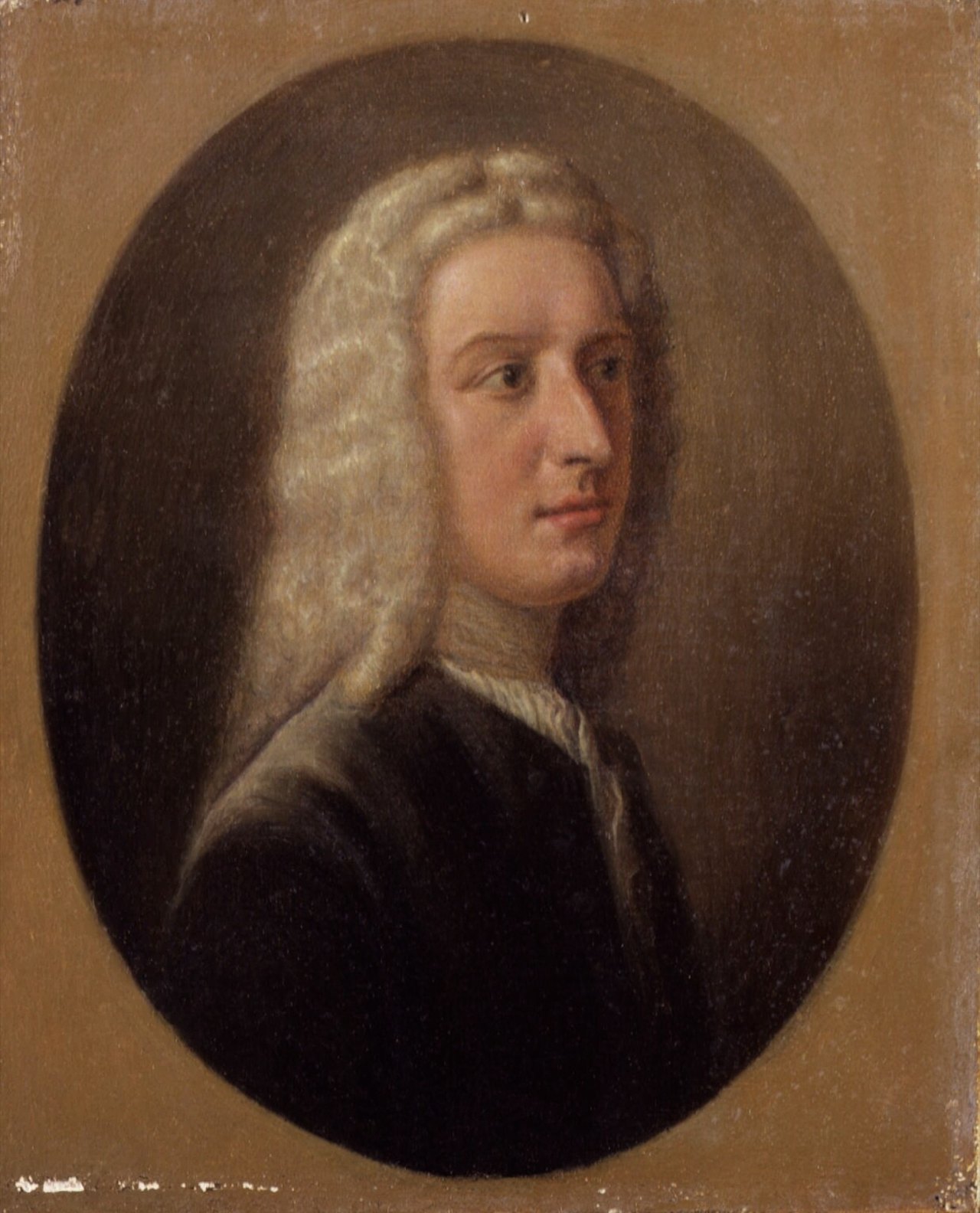
Georgia, chartered in 1732, was the last of the thirteen colonies, founded with an unusual blend of philanthropy, idealism and strategy. Its moving spirit was James Edward Oglethorpe, a member of Parliament whose work on prison reform had exposed the misery of debtors' jails. The Georgia Trustees proposed a colony where the 'worthy poor' could farm small plots with dignity: land grants capped in size, rum banned, and slavery prohibited, partly on principle and partly so that small farmers, not planters, would man the frontier. For South Carolina, Georgia was also a buffer against Spanish Florida and its Native and French allies.
Oglethorpe led the first settlers to Savannah in 1733, laying out the town's famous grid of wards and squares. He cultivated peace with the Yamacraw chief Tomochichi, who ceded the site and traveled to England, and negotiated with the powerful Creek confederacy. But Georgia's real test was war: when conflict with Spain came in 1739, Oglethorpe's invasion of Florida failed, and in 1742 a Spanish counterattack was bloodily repulsed at the Battle of Bloody Marsh on St. Simons Island, securing the colony's survival.
The trustees' utopia eroded under pressure. Colonists resented the limits on landholding and complained they could not compete with slave-worked Carolina rice plantations. One by one the bans fell, on rum in 1742, on slavery in 1751, and with slavery came the plantation economy the founders had meant to prevent. In 1752 the trustees, disappointed and broke, surrendered their charter a year early, and Georgia became a royal colony.
Royal Georgia boomed. Rice and indigo plantations spread along the coast, worked by enslaved Africans, while small farmers pushed into the Creek backcountry. Savannah grew into a busy Atlantic port. By the 1760s Georgia was British America's youngest and fastest-growing colony, its founders' experiment in a slave-free yeoman republic all but forgotten beneath the plantations of the southern frontier.
 Britannica: James Edward Oglethorpe
Britannica: Georgia History
 New Georgia Encyclopedia: Trustee Georgia, 1732-1752
New Georgia Encyclopedia: James Oglethorpe