 Go Back

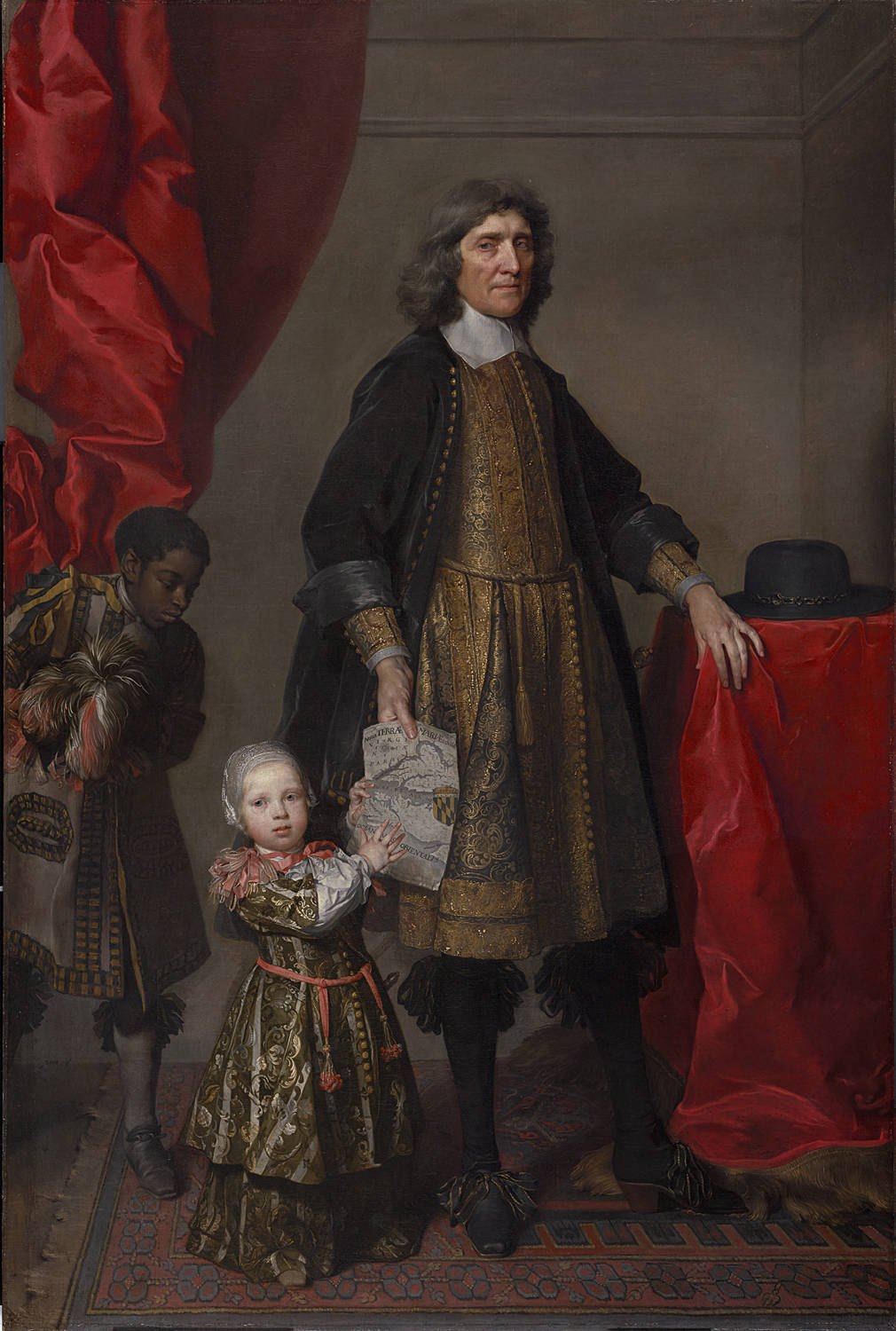
In 1632 Charles I granted Cecil Calvert, the second Lord Baltimore, a colony north of the Potomac named for Queen Henrietta Maria. The Calverts were Catholic, and Maryland was conceived both as a profitable proprietary estate and as a haven where English Catholics could worship in peace. The first settlers landed in 1634, bought a village site from the Yaocomico people, who chose to relocate, and founded St. Mary's City. Because Catholics remained a minority in their own colony, the Calverts made tolerance policy: Maryland's 1649 Act Concerning Religion, among the first laws of its kind in the English world, guaranteed freedom of worship to all Trinitarian Christians.
Maryland's fortune was tobacco. The crop spread plantations along every tidal creek of the Chesapeake, where ships could load hogsheads of cured leaf directly at plantation wharves. Tobacco was so central that it served as money: taxes, fines and wages were reckoned in pounds of leaf, and the colony built inspection warehouses to grade it. Great planters like the Carrolls amassed estates, but most tobacco was grown by small farmers leaning on the labor of indentured servants from England.
The colony's labor order transformed over the century. Servants who survived their terms claimed land of their own, pushing up the Chesapeake's rivers and straining relations with Native neighbors, while elite rivalry and anti-Catholic resentment erupted in the 1689 'Protestant Revolution' that ended proprietary religious policy and made the Church of England Maryland's established church. After about 1690, as the supply of English servants dried up, planters turned decisively to enslaved Africans, and by the mid-eighteenth century slavery had replaced servitude as the foundation of Chesapeake tobacco society.
Restored to the Calverts in 1715, Maryland matured into a prosperous, aristocratic province of brick courthouses, horse racing and vast river estates, its capital moved to the rising port of Annapolis. Its twin legacies, an early, fragile experiment in religious liberty and a society built on tobacco and, increasingly, enslaved labor, capture the contradictions of the colonial Chesapeake.
 Britannica: Maryland History
 Library of Congress: Tobacco Industry History
Library of Congress: Commerce in Pennsylvania, Maryland and Virginia