 Go Back

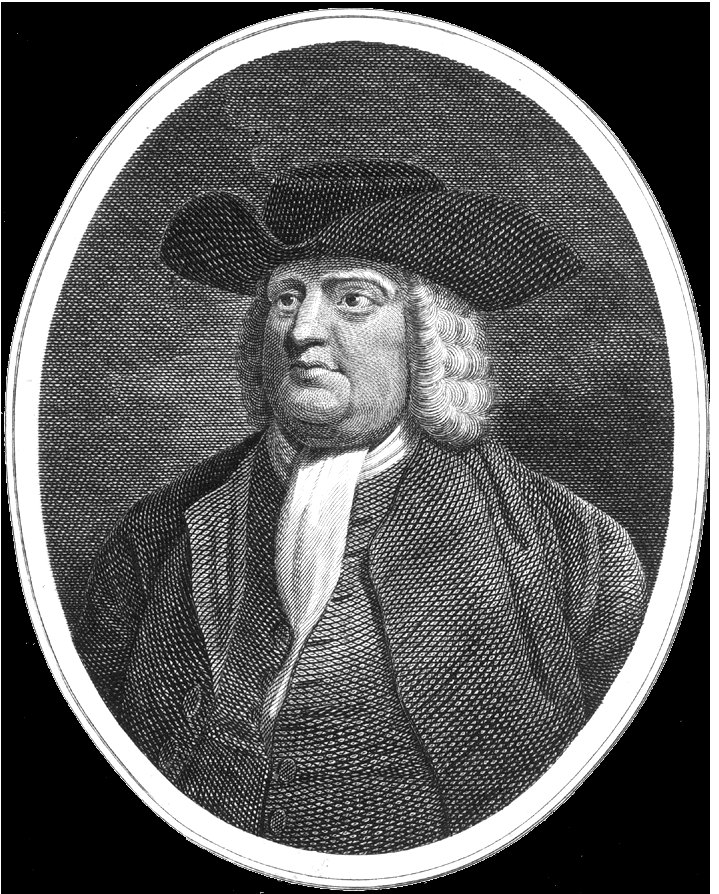
In 1681 King Charles II granted William Penn an enormous tract of land west of the Delaware River, settling a crown debt to Penn's father and giving England's most persecuted sect a refuge. Penn was a Quaker, a member of the Society of Friends, whose belief in the 'Inner Light' in every person, refusal to swear oaths or remove their hats, and rejection of a paid clergy had landed thousands in English jails. His 'Holy Experiment' in Pennsylvania reversed the rules of the age: freedom of conscience for all monotheists, an elected assembly with real power, no established church, and no militia.
Penn also treated the land's first peoples differently. Convinced that Indigenous nations held a just claim to their country, his government purchased land through treaties rather than seizing it, and under his lifetime Pennsylvania knew an almost unique peace with its Lenape and Susquehannock neighbors. The 1682 treaty at Shackamaxon became legendary as a model of fair dealing. That peace was real, but it rested on Penn's personal honor; after his death, his heirs' 'Walking Purchase' fraud of 1737 and the pressure of settlement poisoned what he had built.
The colony grew with astonishing speed. Philadelphia, Penn's 'city of brotherly love,' laid out in a rational grid with public squares, became British America's largest city by the 1770s, a port funneling wheat, flour and lumber to the Atlantic world. Waves of immigrants, Welsh Quakers, German Mennonites and Pietists, Scots-Irish Presbyterians, were drawn by cheap land, religious freedom and peace. Prosperous farms in the limestone valleys made Pennsylvania the breadbasket of the colonies.
Pennsylvania's experiment proved that a colony could thrive without coercion of conscience. Its Frame of Government, repeatedly revised at settlers' demand, pushed power toward an elected single-house assembly that became one of the most democratic bodies in the colonial world. Quaker influence also produced early testimony against slavery and war. Philadelphia's wealth, printers and civic institutions would later make it the natural capital of the American Revolution, a long harvest of the seeds Penn planted in 1682.
 Britannica: Pennsylvania History
Britannica: Quaker
 Library of Congress: Commerce in Pennsylvania, Maryland and Virginia