 Go Back

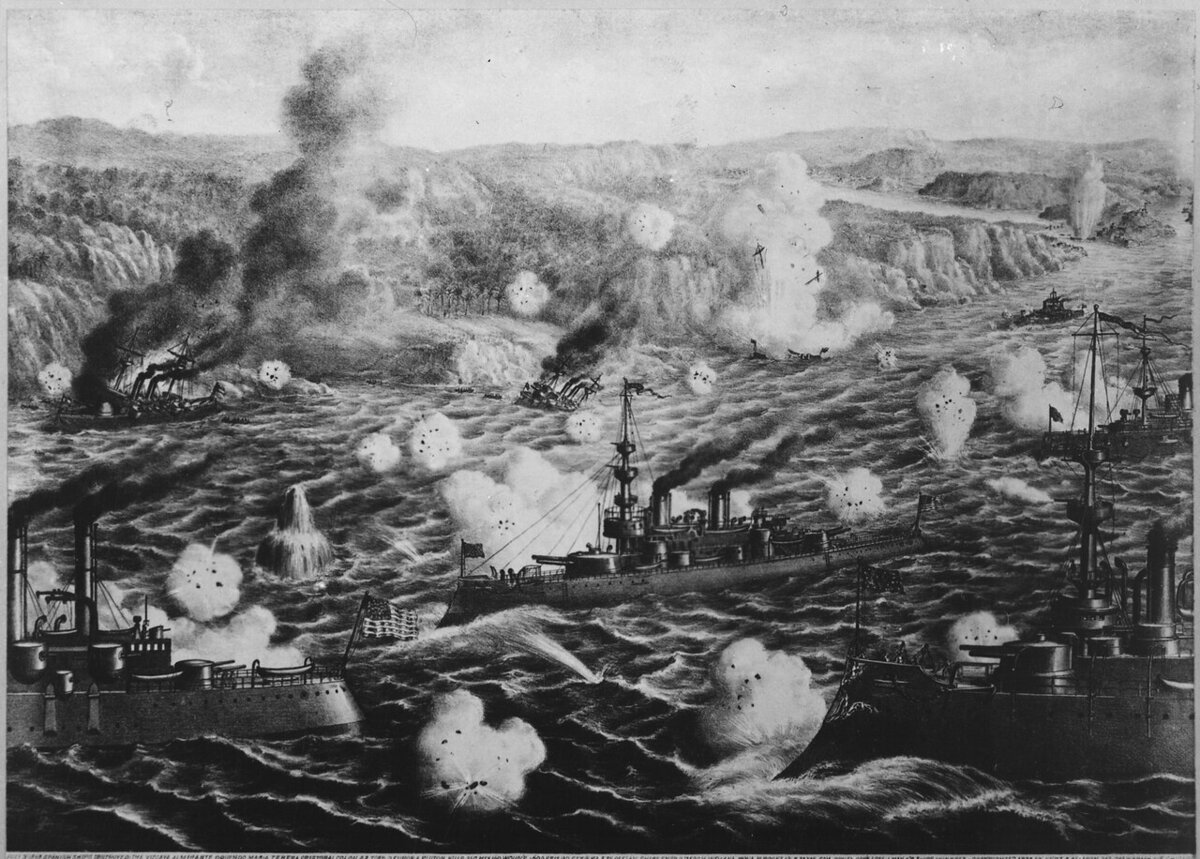
On 20 May 1902 the United States military government lowered its flag and Tomás Estrada Palma, the veteran of the independence wars, was inaugurated as first president of the Republic of Cuba. The independence Cubans had fought for through thirty years of war came with strings: the Platt Amendment, passed by the US Congress in 1901 and forced into Cuba's constitution as the price of withdrawal, gave the United States the right to intervene in Cuban affairs, control over Cuba's foreign and financial relations, and the lease of naval bases at Guantánamo Bay. Cuba was sovereign in name and a protectorate in fact, its independence, as the amendment's critics said, held on deposit in Washington.
The Platt framework was used early and often. Fraud and violence in the 1905 elections drove the opposition Liberals to revolt in 1906, and President Roosevelt dispatched troops in the 'Second Occupation', governing Cuba through Charles Magoon until 1909. United States forces landed again in 1912 when the Partido Independiente de Color, the party of Black veterans who found the republic's promises of equality unfulfilled, rose in protest and was crushed in a campaign in which thousands of Afro-Cubans were killed. Washington's Marines protected an economy in which American capital poured into sugar mills, railroads, and utilities until US interests dominated the island's life.
Sugar made and unmade the early republic. The world war drove prices to a giddy peak in the 'Dance of the Millions' of 1920, when Cuban sugar sold at over twenty-two cents a pound and Havana bankers bought banks with loans - then collapsed to four cents, ruining planters, banks, and the treasury, and drawing American banks deeper into Cuban finance. Presidents came and went under Washington's eye: José Miguel Gómez, Mario García Menocal - re-elected in 1916 amid fraud that the United States had to referee - and, from 1921, Alfredo Zayas, whose government Washington tutored through an 'honest cabinet' imposed by its envoy Enoch Crowder.
By 1924 the early republic had settled into its pattern: sugar monoculture chained to the American market, politics managed between Havana's factions and the American embassy, and the Guantánamo base a permanent symbol of the Platt settlement. Yet the period also bred its own answer: a generation of students, veterans, and nationalists who measured the republic against José Martí's dream of Cuba libre.
 Britannica: Platt Amendment
Britannica: Tomás Estrada Palma
Britannica: Cuba