 Go Back

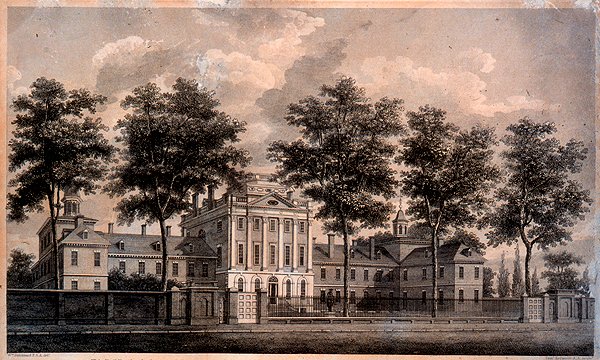
Dorothea Dix and the Reform of Asylums and Prisons. In 1841 a frail Boston schoolteacher named Dorothea Dix agreed to teach a Sunday school class in the East Cambridge jail - and found the insane confined there in an unheated cell, chained and half-naked, treated not as sick but as beasts or criminals. What she saw that day became her life's single work. For the next forty years Dorothea Dix traveled the United States - thirty states, she said, and then Europe - inspecting jails, almshouses and asylums, and reporting what she found to the legislatures in memorials of terrible, methodical eloquence.
Her method was a revelation: not sentiment but evidence. She would spend months visiting every jail and poorhouse in a state, then lay before its legislature a memorial - 'I tell what I have seen' - describing in calm detail the conditions of the confined insane: chained in cellars, caged in closets, beaten, frozen, forgotten. Then she would lobby, buttonhole, and stay until the appropriation passed. State after state answered: more than thirty new hospitals for the insane were founded or enlarged in response to her work, and the principle she fought for - that insanity is an illness, and its care a public duty - became American law and practice.
When the Civil War came, President Lincoln's government made her Superintendent of Army Nurses - the first woman to hold so high a federal office - and she organized the nursing corps of the Union armies with the same fierce, exhausting exactitude, battling surgeons, red tape and her own volunteers for four years without pay.
Dorothea Dix belonged to the great antebellum generation of reformers - the age of abolition, temperance and the common school - but her reform was the most tangible of all: buildings, budgets and statutes, state by state, that replaced the cage with the hospital. The asylum system she built later grew into new failures of its own, but the principle she established has never been surrendered: society is responsible for the care of the insane poor.
 Britannica: Dorothea Dix
Britannica: United States - Reform Movements