 Go Back

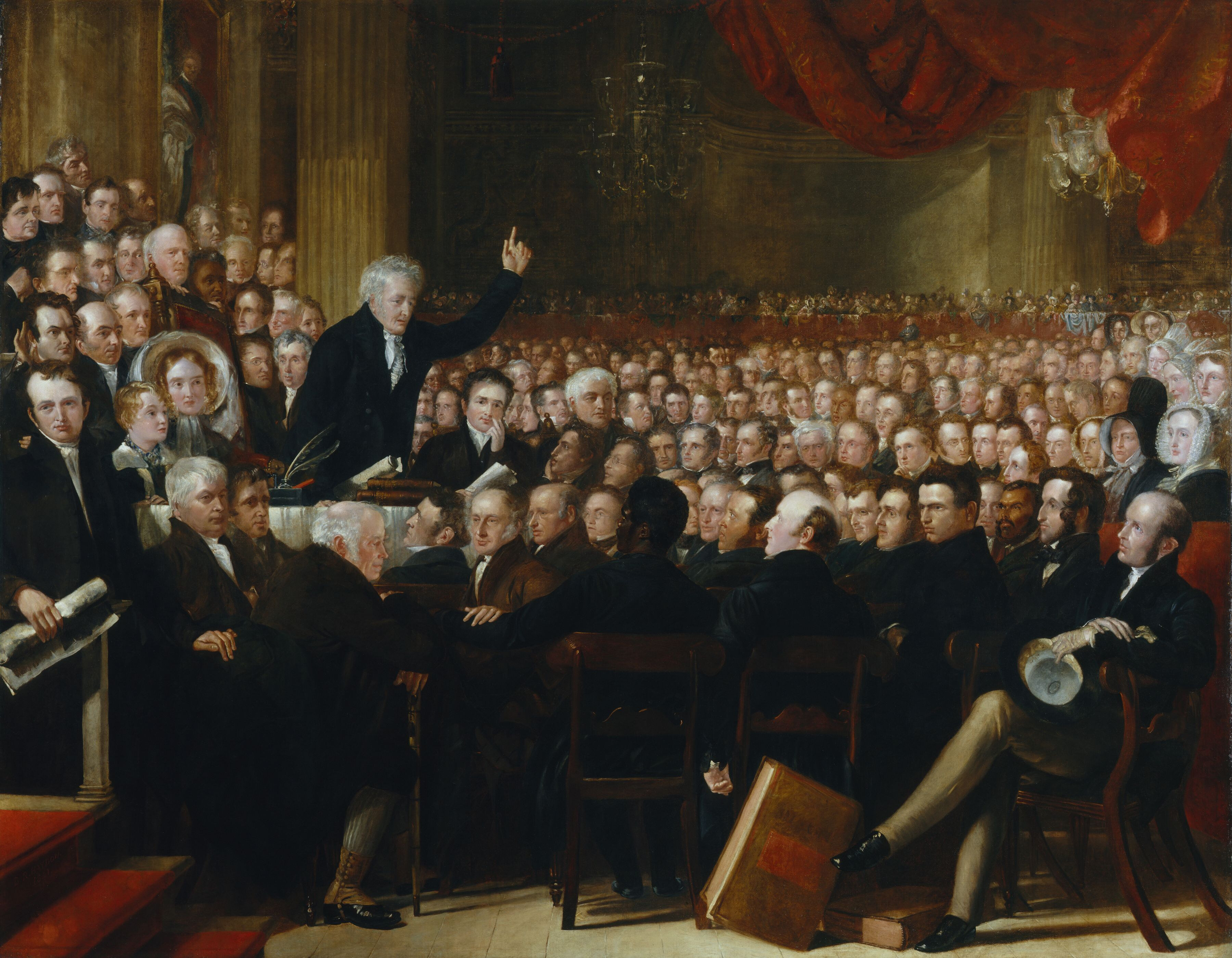
On 1 August 1834 the Slavery Abolition Act took effect across most British colonies, giving legal freedom to more than eight hundred thousand people in the Caribbean, South Africa, and Canada, although compulsory apprenticeship continued for many. The Slavery Abolition Act of 1833 was the fruit of half a century of abolitionist campaigning and, just as much, of resistance by the enslaved themselves, whose great revolts - Barbados in 1816, Demerara in 1823, and above all Jamaica's Baptist War of 1831-32, in which sixty thousand enslaved people rose - convinced Britain that slavery could no longer be sustained. Parliament voted the enormous sum of twenty million pounds in compensation, all of it to the slaveholders; the people they had enslaved received nothing but freedom by instalments.
For the Act granted freedom in name first. All children under six were freed outright, but everyone else was bound as an 'apprentice', compelled to work forty-five unpaid hours a week for their former masters - field hands for six years, domestic workers for four - in exchange for food, housing, and the promise of full liberty. The planters used the courts and the treadmill to punish apprentices, and the scheme's injustice was so plain that a new abolitionist campaign, with the apprentices' own strikes and refusals behind it, forced the colonial assemblies to end the system early. On 1 August 1838 full freedom came, two years ahead of schedule, celebrated in chapels and streets from Antigua to Demerara.
Freedom's first test was land. The planters meant to keep the freed people working on the estates by holding the land and setting rents and wages; the freed people meant to farm their own. In Jamaica and Demerara they bought bankrupt estates and squatted on Crown lands, raising a free peasantry of provision farmers - in Jamaica the 'free villages' founded with Baptist missionaries, like Sturge Town and Sligoville, became symbols of the new order. Planters answered by importing labour: from 1838 hundreds of thousands of indentured workers came from India, and smaller numbers from China, Madeira, and Africa, beginning a transformation of the region's peoples as profound as emancipation itself.
The apprenticeship experiment and its collapse defined British Caribbean freedom. The freed people had won, through their own resistance, both emancipation and its acceleration, and they built independent communities in the face of planter power; but the colonial state left them landless enough to keep the sugar estates alive, and poverty and colour bars would fuel the struggles that erupted at Morant Bay in 1865 and beyond. First of August, Emancipation Day, remains the great commemoration of the region.
 Britannica: Slavery Abolition Act
 The National Archives: The 1833 Abolition of Slavery Act
Britannica: William Wilberforce