 Go Back

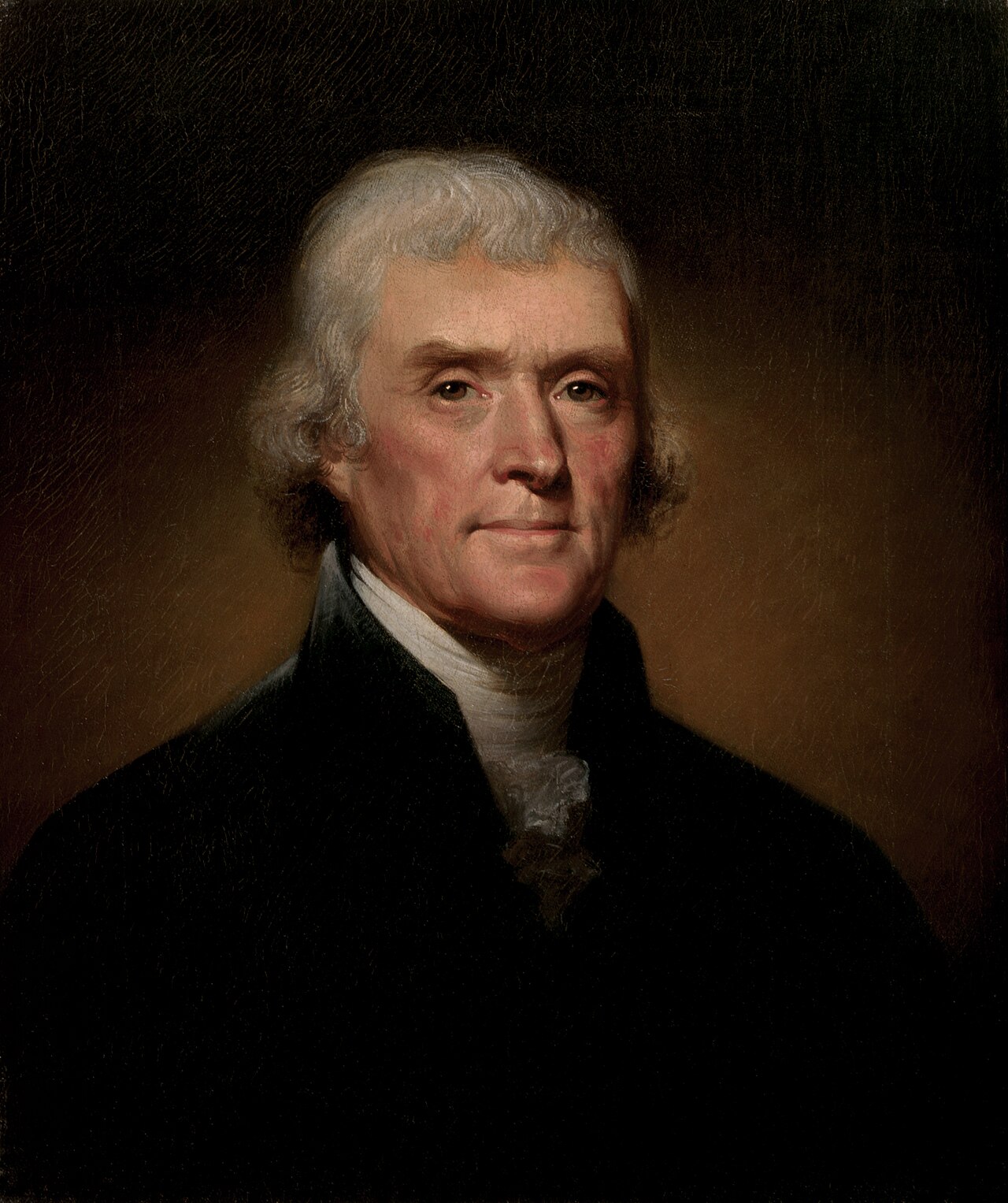
European war placed American commerce in a difficult position during the early nineteenth century. Britain and France tried to restrict one another's trade, and neutral vessels were caught between competing rules. American merchants wanted access to overseas markets, while the United States claimed the right to remain outside the conflict. Seizures of ships and Britain's impressment of sailors made neutrality a practical struggle over people and cargo, not merely a declaration of policy.
British naval power was especially important because it could stop American vessels and remove men claimed as British subjects. Americans objected that their citizens were also being taken. Diplomatic negotiations failed to secure a satisfactory settlement. The 1807 attack by HMS Leopard on USS Chesapeake made the issue more urgent and strengthened demands for action. Jefferson's administration sought a response that could defend national rights without immediately entering a war against a major European power.
The Embargo Act of December 1807 attempted to use commerce as leverage by stopping American exports. Jefferson and Madison expected the loss of American goods to pressure Britain and France. Enforcement instead harmed American farmers, merchants, sailors and ports, while smuggling and evasion weakened the policy. The measure also required intrusive federal action to prevent trade, creating friction between a government associated with limited powers and communities whose livelihoods it was restricting.
Congress replaced the embargo in 1809 with a more selective restriction on trade with Britain and France. Further measures still failed to resolve the dispute, which contributed to the approach of the War of 1812. The episode demonstrated both the attraction and the limits of economic coercion for a young republic. Dependence on international markets made trade a possible weapon, but closing those markets could hurt Americans before forcing a change abroad. Neutral rights remained connected to the unequal distribution of naval and commercial power across the Atlantic. Its failure also left the next administration with a difficult choice between further commercial restrictions, renewed diplomacy and the use of military force.
 Office of the Historian: Napoleonic Wars and the United States
 Britannica: Embargo Act