 Go Back

The Louisiana Purchase grew from American concern about access to the Mississippi River and New Orleans. Farmers west of the Appalachians depended on the river to send produce toward overseas markets. Spain's transfer of Louisiana to France raised fears that a stronger imperial power could restrict that access. Jefferson sent negotiators to seek New Orleans, but Napoleon offered a much larger sale after his Caribbean plans failed and renewed war with Britain approached.
In 1803 the United States agreed to buy Louisiana for $15 million. The agreement transferred France's claim to a vast territory, not uncontested possession of every place within it. Indigenous nations continued to occupy and govern their homelands. The purchase also tested Jefferson's constitutional principles because the Constitution did not expressly describe the acquisition of territory on this scale. He accepted the opportunity, and the Senate approved the treaty, greatly enlarging the republic's claimed domain.
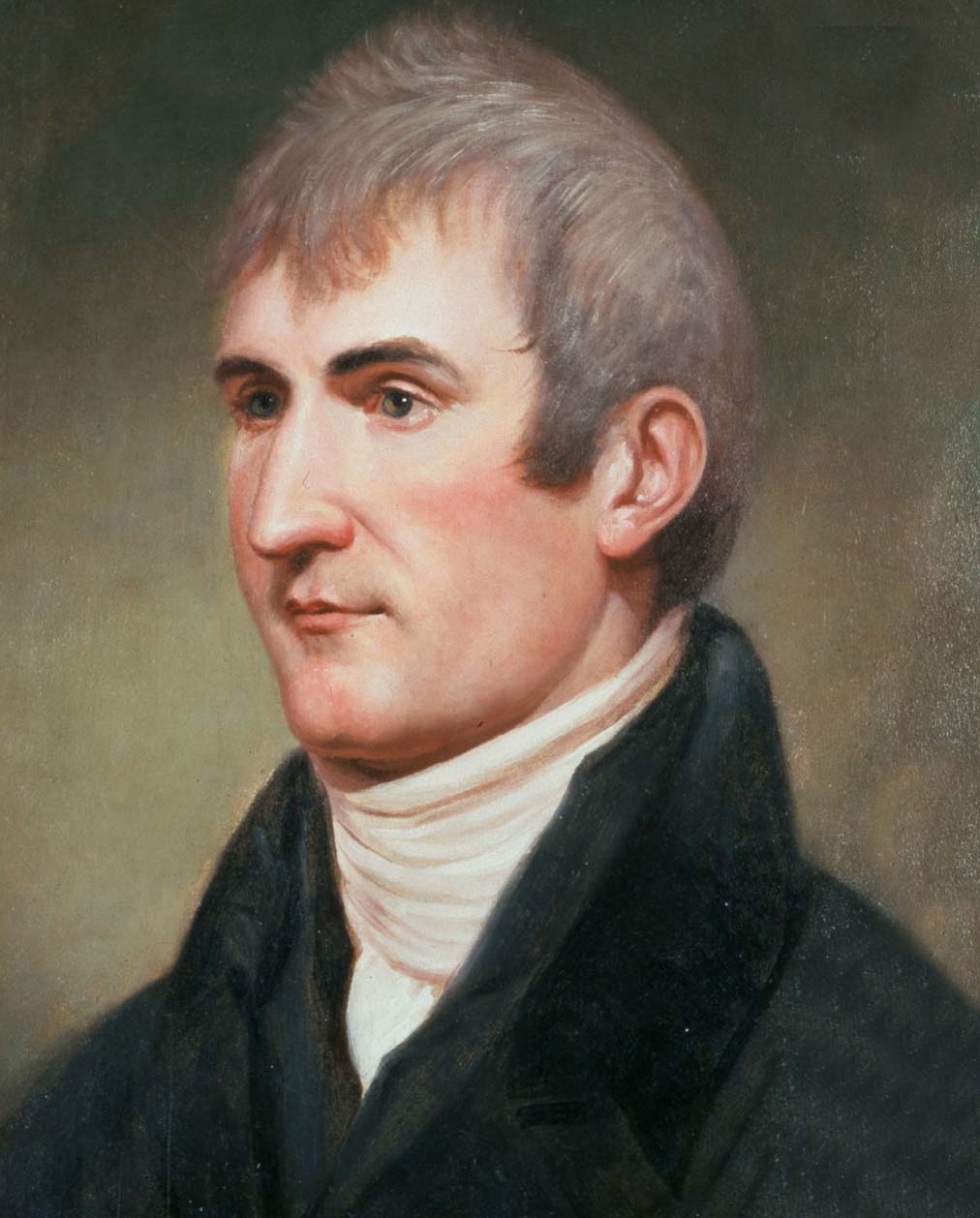
Jefferson had already planned an expedition to investigate the Missouri River and routes toward the Pacific. Meriwether Lewis and William Clark led the Corps of Discovery from 1804 to 1806. Its purposes included geographic and scientific observation, trade and diplomacy with Native peoples. The travelers depended on Indigenous knowledge, supplies and assistance. Sacagawea's interpreting and presence were important within a wider network of people who helped make the journey possible. York, an enslaved member of the party, also contributed without sharing its leaders' freedom.
The expedition reached the Pacific and returned with records of landscapes, plants, animals and communities. It did not discover an empty continent or find a continuous navigable water route across it. Its reports strengthened American knowledge and ambitions while also preparing the way for commercial and territorial expansion. Purchase and expedition must therefore be read together with Indigenous sovereignty. What officials celebrated as national growth brought new pressures to peoples whose lands had been included in a European sale without their consent. The expedition recorded its observations in journals and maps, turning travel into information that officials, scientists and later travelers could use in different ways.
 Office of the Historian: Louisiana Purchase
 Britannica: Lewis and Clark Expedition