 Go Back

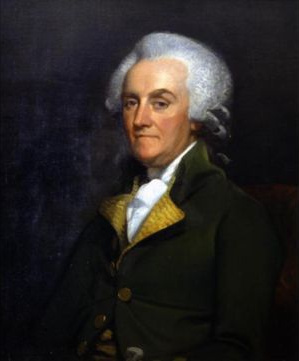
The American Revolution was also a conflict among people living in the colonies. Patriots supported resistance and eventually independence, while Loyalists continued to support the British Crown. Between them were people who tried to remain neutral, changed their positions or concentrated on protecting their households. The labels describe political choices, not two simple social classes. Religion, office, family connections, locality and personal experience could all influence allegiance.
Loyalists included royal officials and others whose livelihoods depended on imperial institutions, but loyalty was not confined to the wealthy. Some doubted that rebellion could succeed or feared the consequences of revolutionary government. Patriots likewise came from different backgrounds and did not agree on every issue. A commitment to independence could coexist with slavery and restricted political participation. The question of whose freedom the Revolution would secure was therefore present within both camps, rather than settled by their names.
The war made neutrality increasingly difficult. Committees, oaths and local military organizations required people to declare positions. Loyalists could face intimidation, loss of property or exile, while British forces relied on loyal supporters for intelligence and military service. Conflicts between neighbors gave the fighting a local and sometimes retaliatory character. For enslaved people, British offers of freedom created choices that did not fit neatly into the constitutional arguments of white colonists. Indigenous nations also pursued interests distinct from either colonial faction.
British defeat left Loyalists facing an independent country governed by their opponents. Many remained, but others moved to British North America, Britain or other parts of the empire. Their departure changed communities on both sides of the new border. The Revolution did not erase the relationships and disagreements that had divided colonial society. Studying Loyalists alongside Patriots makes the outcome less predetermined: independence was won through a war in which political belonging was contested within households and towns as well as between the colonies and Britain. Loyalist refugees helped reshape British North America, where settlement after the war contributed to new political arrangements and the growth of English-speaking communities.
 Britannica: Loyalist
 Canadian Encyclopedia: Loyalists in Canada