 Go Back

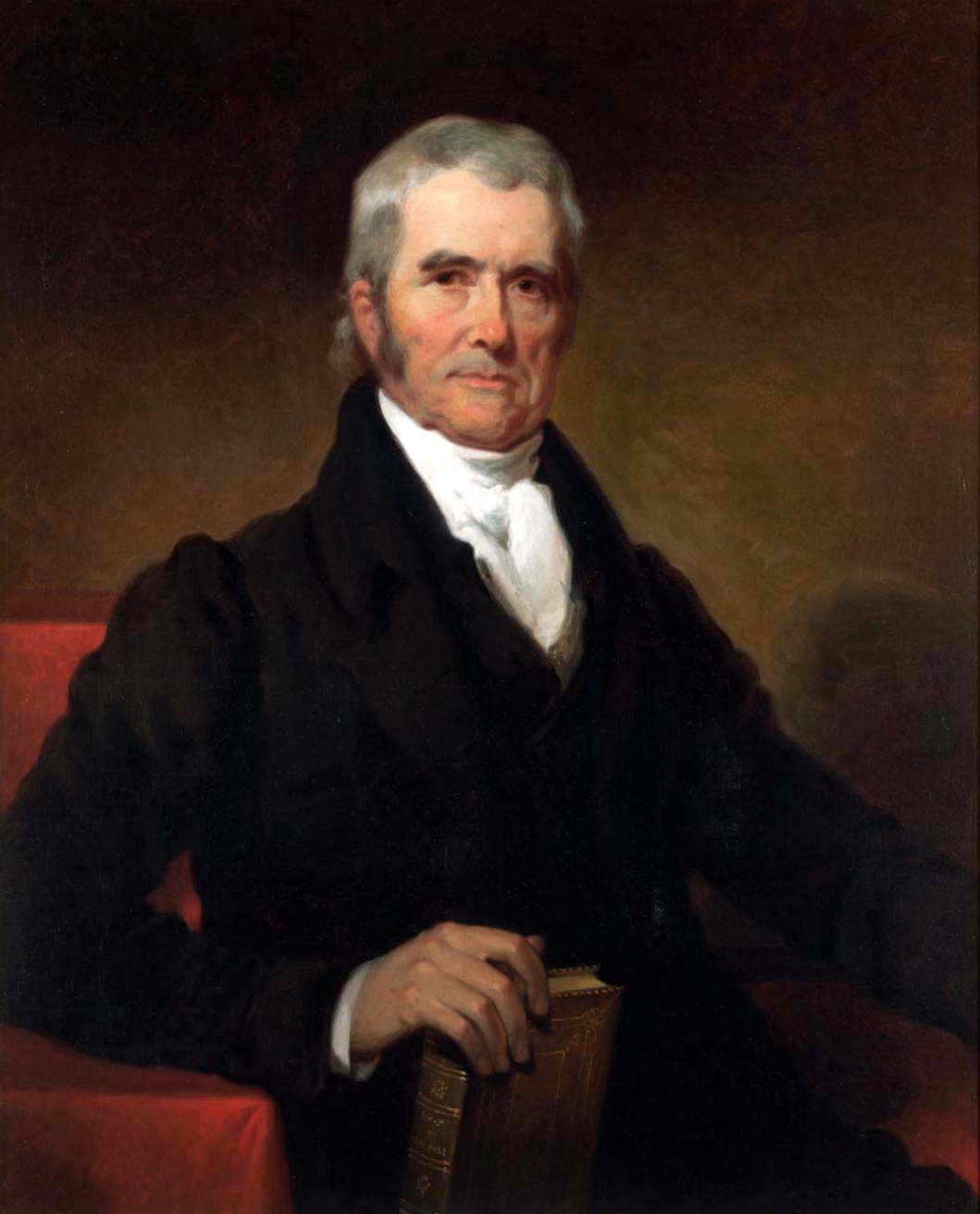
Marbury v. Madison arose from the first contested transfer of presidential power in American history. In the final days of John Adams's administration, the outgoing Federalists created new judicial posts and filled them with party men - the 'midnight judges.' On March 2, 1801, Adams named William Marbury one of forty-two justices of the peace for the District of Columbia; the Senate confirmed him the next day, and his commission was signed and sealed. But in the rush of the last hours it was never delivered. When Thomas Jefferson took office on March 4 and found the undelivered commissions on the secretary of state's desk, he ordered them withheld. Marbury sued the new secretary of state, James Madison, asking the Supreme Court to order the commission handed over.
The dispute placed Chief Justice John Marshall in an exquisite trap. He was a Federalist, and he had himself been Adams's acting secretary of state when the commissions were processed - it was his own failure to deliver that had created the case. If the Court ordered Madison to deliver the commission, Jefferson's administration would almost certainly ignore the order, exposing the Court's weakness before the whole country. If the Court refused Marbury any relief, it would appear to bless an unlawful seizure of a man's office. Either path diminished the judiciary at the very moment the Republican Congress had abolished the new Federalist circuit courts and was talking of impeaching judges.
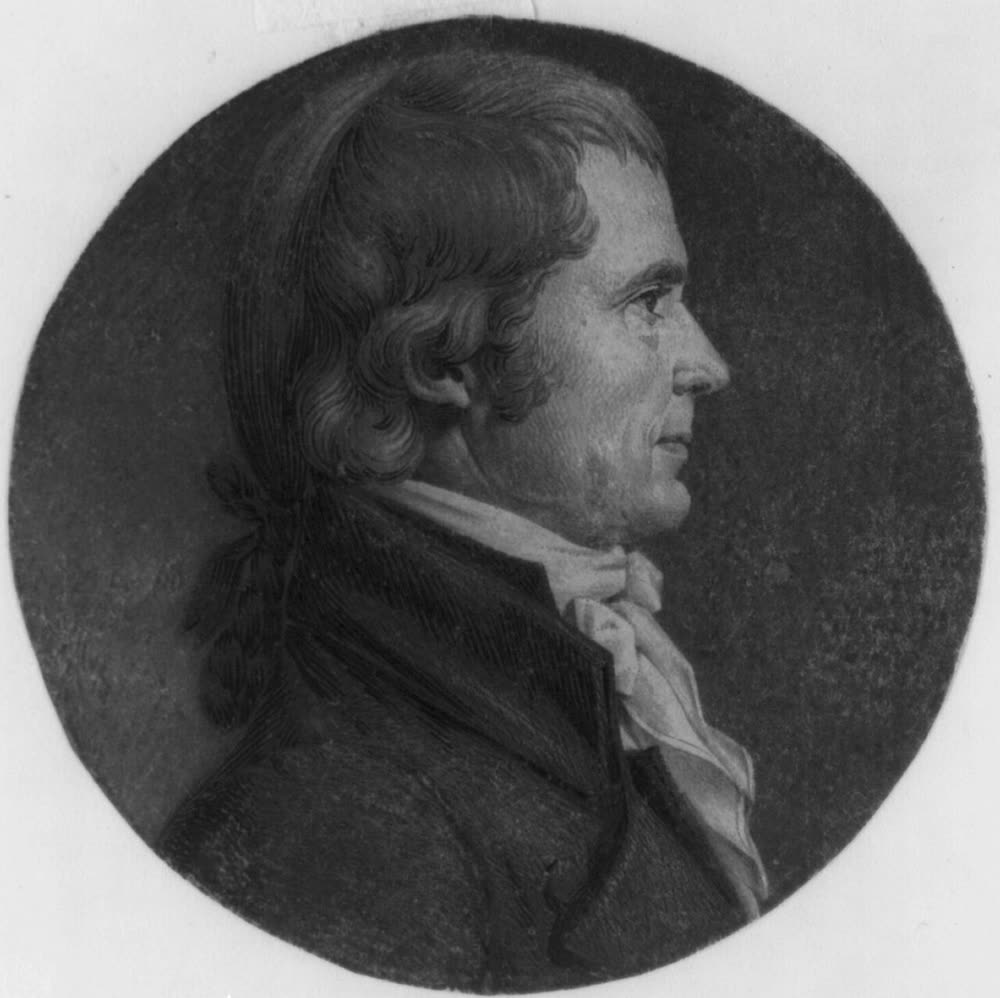
Marshall's unanimous opinion, delivered on February 24, 1803, separated the case into three questions. Did Marbury have a right to his commission? Yes - it was signed and sealed, and withholding it violated his legal rights. Did the laws afford him a remedy? Yes again. But then the turn: was the remedy he asked for - a writ of mandamus issued directly by the Supreme Court - one the Constitution allowed? No. The Judiciary Act of 1789 had given the Court original jurisdiction to issue such writs, but Article III of the Constitution defined the Court's original jurisdiction and did not include cases like Marbury's. The statute and the Constitution conflicted, and one of them had to yield.
Marshall's resolution became the foundation of American constitutional law. A written constitution, he argued, is superior law - the very point of writing it down is to limit what ordinary legislation may do. A statute that conflicts with the Constitution cannot stand, and it is 'emphatically the province and duty of the judicial department' to say what the law is when courts decide cases. On that reasoning the Court declared a section of the Judiciary Act of 1789 unconstitutional - the first time the Supreme Court struck down an act of Congress.
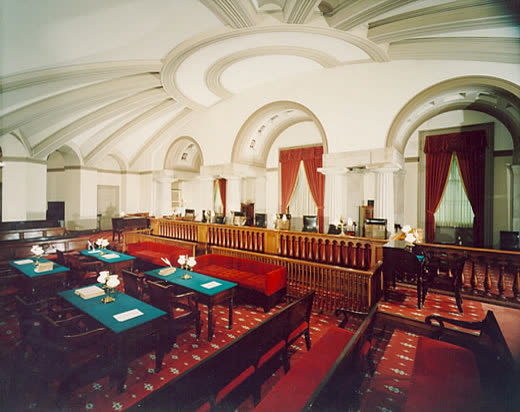
Marbury lost his commission, and the Court gave Jefferson no order to defy - yet the judiciary walked away with the greater prize. Marshall had traded a powerless writ for the principle of judicial review, and he had done it in a posture of self-denial that made the grab almost impossible to attack. The decision did not make judges rulers: it claimed review as a duty incidental to deciding cases, within a constitutional system that has argued about the courts' proper role ever since. But every later case in which a court voided a law - from the school-segregation cases to the present - traces its authority back to the dispute over William Marbury's undelivered piece of parchment.
 Britannica: Marbury v. Madison
 Library of Congress: Marbury v. Madison