 Go Back

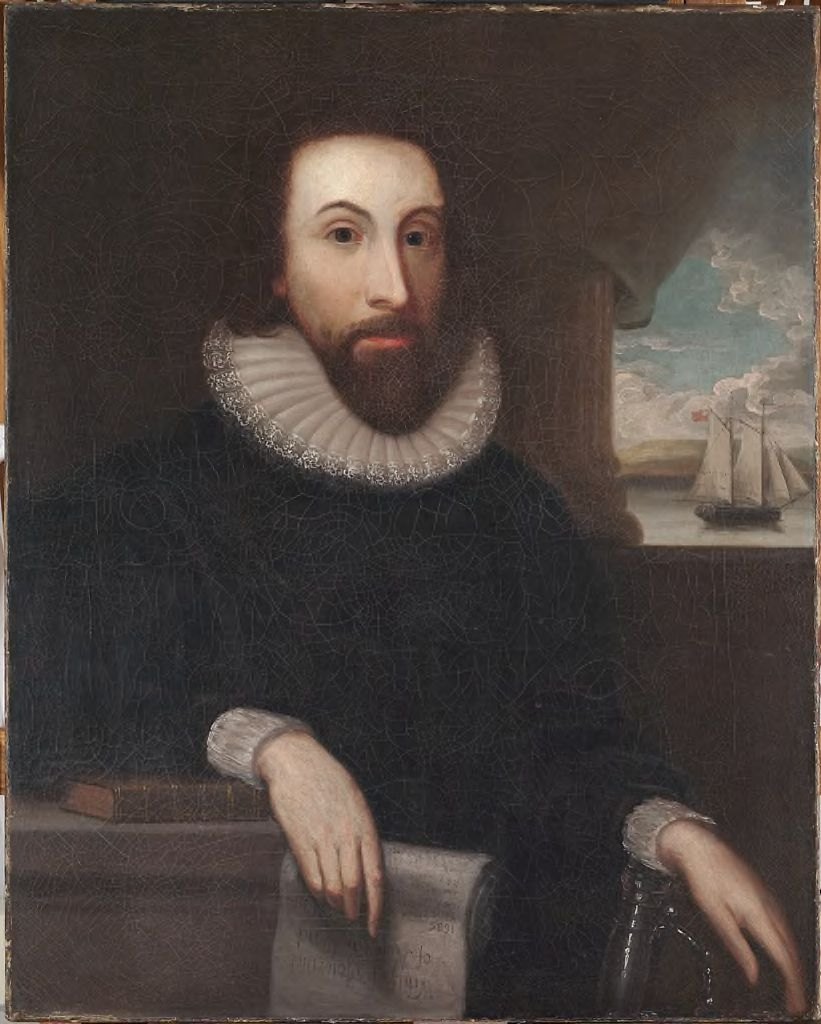
In 1630 a fleet of eleven ships carried about a thousand English Puritans across the Atlantic, the vanguard of a Great Migration that would bring some twenty thousand settlers to New England within a decade. Puritans were reformers who believed the Church of England had kept too much of Rome, and under mounting pressure at home they organized the Massachusetts Bay Company, won a royal charter - and then did something unprecedented: they carried the charter itself to America, turning a trading company into a self-governing commonwealth an ocean beyond royal reach. Aboard the flagship Arbella, Governor John Winthrop preached that their settlement must be 'as a city upon a hill,' watched by the world.
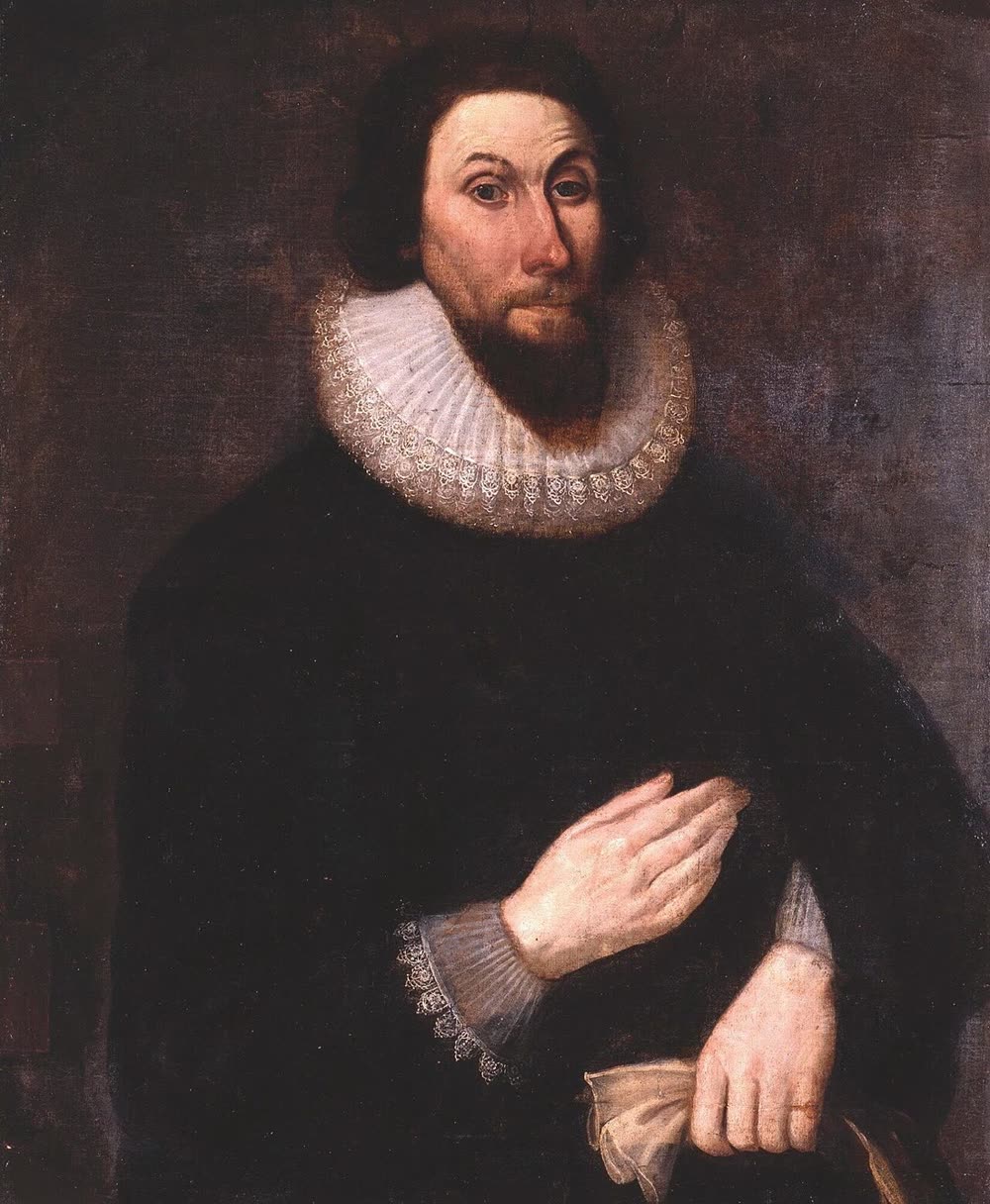
Massachusetts Bay was planted as a chain of farming towns, each gathered around its meetinghouse, congregation, and common fields. Land went to town proprietors, freemen voted in town meetings that managed local affairs with remarkable directness, and the General Court of the colony made law under the charter. The leaders built institutions for the long term: Harvard College was founded in 1636 to train a learned ministry, and in 1647 Massachusetts passed the first general school law in America, requiring every town of fifty households to maintain a teacher - because, the law said, knowledge of scripture must not be left to fall back on ignorance.
This was also a society of strict boundaries. Voting and office belonged to male church members, and dissent could be dangerous. Roger Williams was banished in 1635 for challenging the union of church and state and the seizure of Native land, and founded Providence in 1636 on the contrary principles. Anne Hutchinson's theological challenge to the clergy ended in her trial and exile in 1638. Quakers who returned after banishment were hanged on Boston Common. Ministers and magistrates policed doctrine as a matter of public order, convinced that error was a contagion the community had the right, and the duty, to cut out.
Puritan confidence also collided with the land's first peoples. English settlement spread into Pequot, Massachusetts, and Wampanoag country under the pressure of epidemics that had emptied whole villages and of land purchases the two sides understood very differently. The Pequot War of 1636-38 destroyed the Pequots as a nation. A generation later, in 1675-76, King Philip's War devastated both sides: whole Native nations were broken and sold into slavery, and dozens of colonial towns were attacked and some destroyed. It remains, proportionally, one of the deadliest wars in American history.
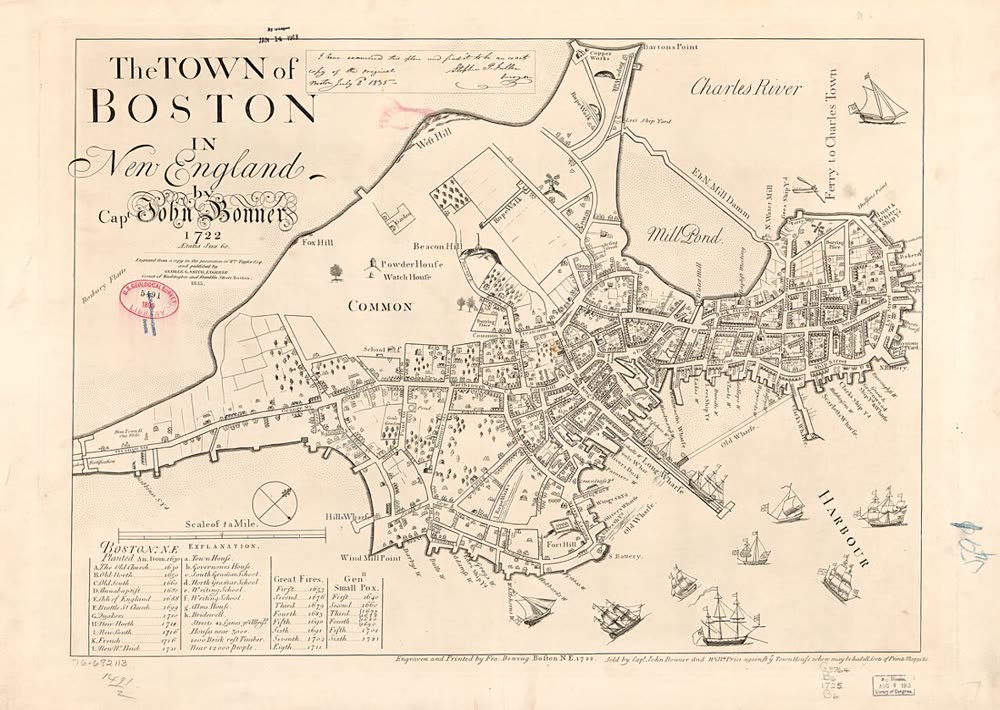
The crown eventually caught up with the charter colony. Charles II's government annulled the charter in 1684, and after a brief, hated spell under the Dominion of New England, Massachusetts became a royal province in 1691, absorbing Plymouth and granting religious toleration to Protestants generally. The witchcraft panic at Salem in 1692 came under the new order. Yet the Puritan impress outlasted Puritan rule: the town meeting, the schoolhouse, the college, and the restless habit of building a city upon a hill became permanent parts of the American inheritance.
 Britannica: Massachusetts Bay Colony
 National Park Service: The Puritans
 Library of Congress: America as a Religious Refuge