 Go Back

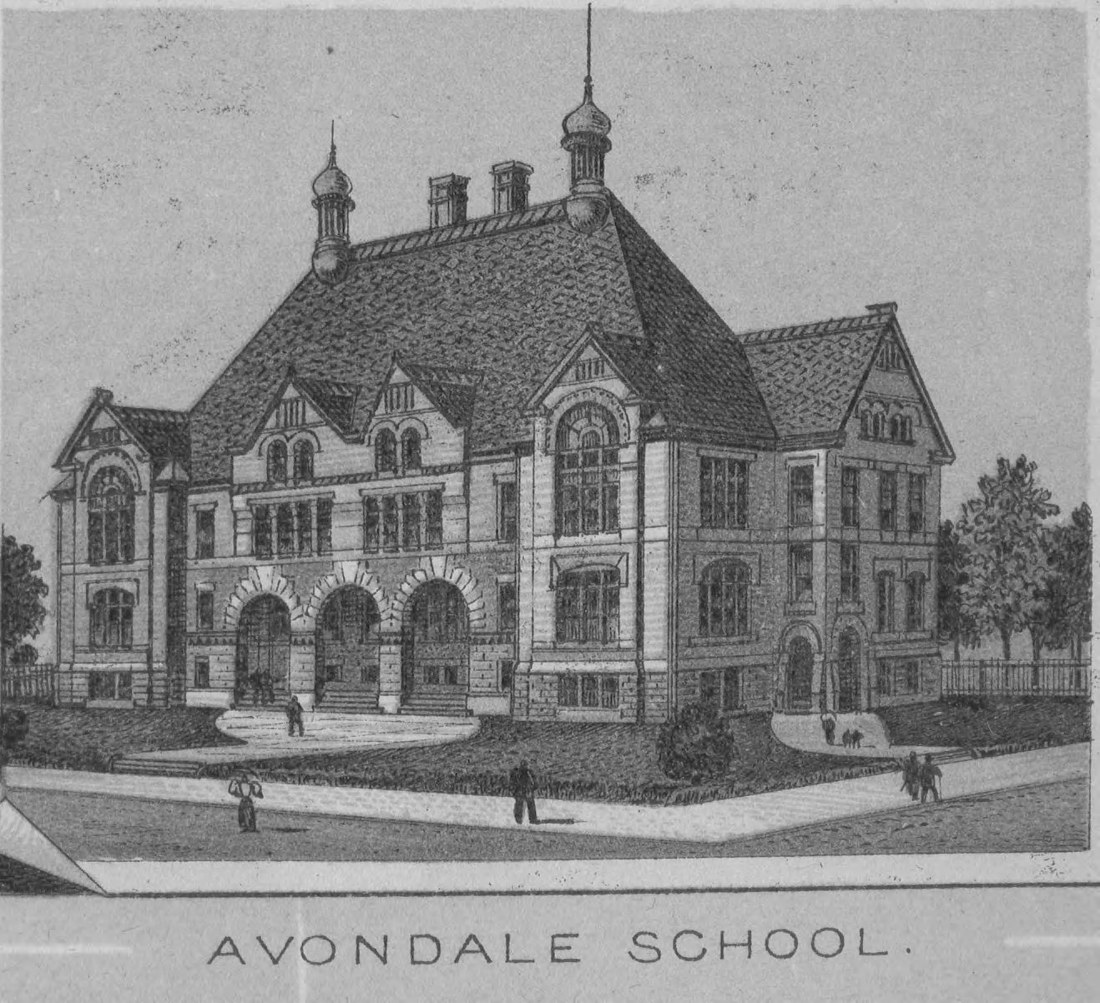
In the early republic, schooling was a patchwork of private academies, church schools, and short-term district schools that many children barely attended. Beginning in the 1830s, reformers built the common school movement, arguing that a democracy needed free, tax-supported schools open to every child in the neighborhood. Its greatest champion was Horace Mann, who as first secretary of the Massachusetts Board of Education from 1837 to 1848 used annual reports, lectures, and his Common School Journal to argue that shared public schooling was essential to democracy and social progress.
The movement spread across the states, which created boards of education, lengthened school years, raised teacher salaries, and founded normal schools to train teachers professionally; the first public normal school opened at Lexington, Massachusetts, in 1839. After the Civil War the push moved upward. Public high schools multiplied in towns and cities, and by 1900 millions of children, including the sons and daughters of immigrants, spent years in graded classrooms learning English, arithmetic, history, and civics.
Higher education was transformed in the same decades. During the Civil War, Congress passed the Morrill Act of 1862, sponsored by Vermont Representative Justin Morrill, granting each state federal land to endow colleges teaching agriculture and the mechanical arts; a second Morrill Act in 1890 extended support to the segregated South. State universities rose on these foundations, new research universities introduced graduate seminars and laboratories, and women's colleges and Black colleges opened lecture halls to students long excluded from them.
By 1924 the United States had built an extensive system of mass education. Compulsory attendance laws had spread across the states, high school enrollment was climbing toward mass levels, and land-grant universities ran extension programs that carried science directly to farms and homes. Americans argued, as they had for a century, over what schools were for: practical training, classical learning, the assimilation of newcomers, or social reform.
 Britannica: Horace Mann
Britannica: Normal School
 Wikipedia: Common School
Wikipedia: Morrill Land-Grant Acts