 Go Back

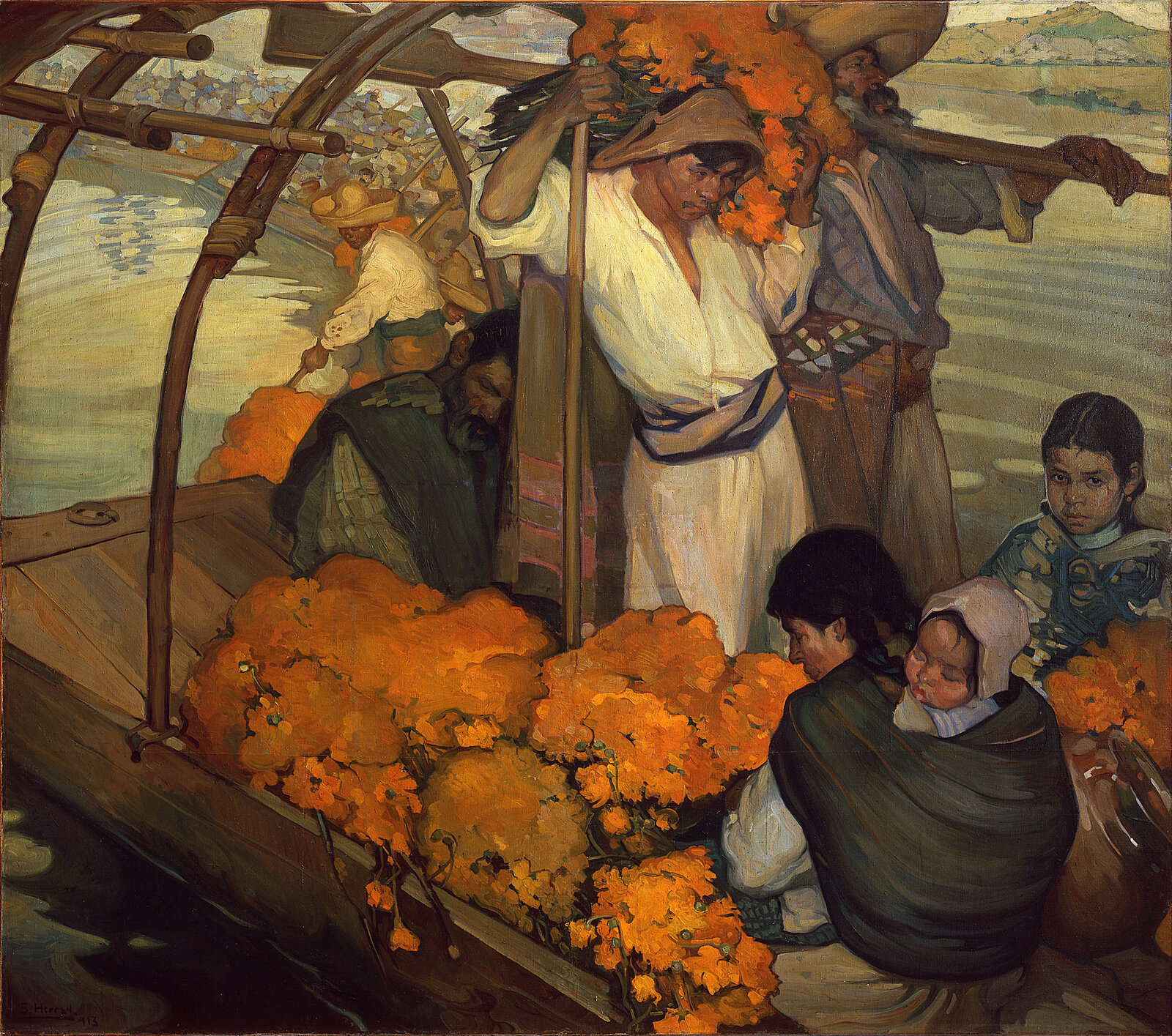
The Mexico that emerged from a decade of revolution in 1920 was exhausted, but it was also seized by a creative energy that astonished the world. President Alvaro Obregón and his minister of education José Vasconcelos believed the revolution had to remake not only property and politics but the Mexican soul. Vasconcelos's Secretariat of Public Education, created in 1921, sent teachers, books, and 'cultural missions' into the countryside, founded hundreds of rural schools, printed cheap editions of the classics, and preached a nationalism that exalted Mexico's Indigenous heritage as the source of its identity - a movement called indigenismo.
The most visible fruit was muralism. Vasconcelos offered the walls of public buildings to young painters, commissioning them to paint the nation's history for a people who could not all read. Diego Rivera, home from Europe in 1921, painted his first mural, Creation, in the Simón Bolívar Amphitheatre of the old San Ildefonso college in 1922, while José Clemente Orozco began his fierce early frescoes in the same building in 1923, and David Alfaro Siqueiros organized the artists' syndicate and its manifesto demanding a public, monumental, and social art. In 1923-24 Rivera started his vast cycle in the courtyards of the new Ministry of Education, painting festivals, labour, and the revolutionary epic.
The renaissance ran far wider than the murals. Anthropologists such as Manuel Gamio were recovering Teotihuacan and revaluing Indigenous Mexico; composers like Carlos Chávez built a national music on Indigenous themes; the open-air art schools took painting to the barrios; and printmakers revived the popular broadside tradition of José Guadalupe Posada, whose images the artists' newspaper El Machete carried to a mass public. Adolfo Best Maugard's drawing method, based on the motifs of pre-Hispanic art, was taught in the schools as the grammar of a national style.
By the end of 1924, when Plutarco Elías Calles succeeded Obregón, the cultural program was firmly established. Its artists and teachers placed Indigenous history and popular culture at the centre of a new national story, even as Indigenous peoples remained more often represented than heard.
 Britannica: Diego Rivera
Britannica: José Clemente Orozco