 Go Back

The Revolutionary War was fought across Indigenous homelands as well as between British and colonial armies. Native nations had their own political aims, especially the protection of land, trade and independence. They were not a single bloc waiting to choose a European side. Communities debated neutrality and alliance under pressure from neighbors, officials and military forces. The conflict placed severe strain on relationships that had previously helped them manage imperial rivalries.
The Haudenosaunee Confederacy illustrates these divisions. Many Mohawks, Senecas, Cayugas and Onondagas supported Britain, while many Oneidas and Tuscaroras assisted the Americans. Choices varied within nations and changed with circumstances. Existing connections to British officials mattered, but so did local relationships with colonists and missionaries. The Revolution threatened the confederacy's effort to preserve collective peace because members were drawn into opposing military networks.
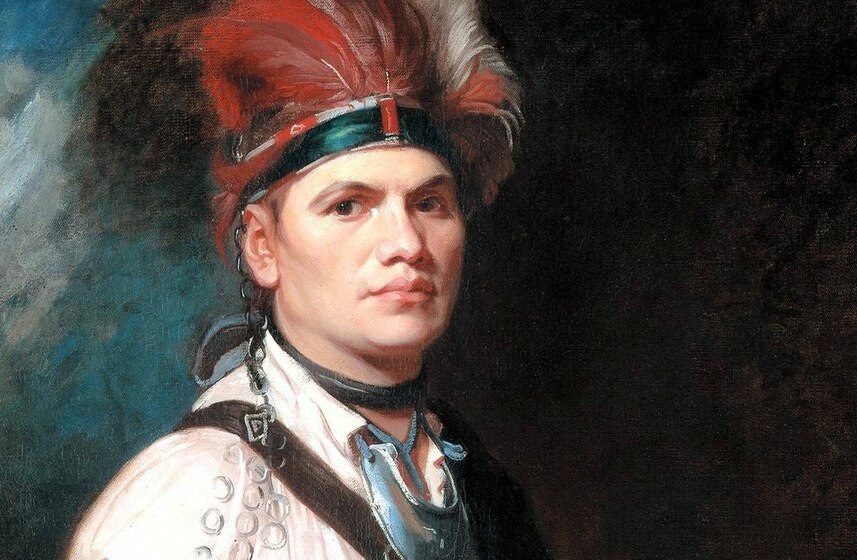
Oneida assistance included scouts, messengers, guides and supplies for American forces. On the other side, leaders such as Joseph Brant worked with Britain in campaigns across the frontier. Raids and retaliation devastated settlements and food supplies. The Sullivan-Clinton campaign of 1779 destroyed Haudenosaunee towns and crops, showing that the war targeted the means by which communities could survive as well as armed opponents. Indigenous allies suffered heavily regardless of the promises made by the power they supported.
The peace negotiated between Britain and the United States did not secure Indigenous control of their territories. American expansion continued, and nations that had helped the Americans also faced pressure for land. The war's end therefore meant neither a shared victory nor a settled border for Native peoples. Their experience exposes the difference between the independence claimed by the new republic and the sovereignty it was prepared to accept for others. Indigenous decisions and losses are central to understanding the Revolution's geography and consequences. The Oneida contribution was often practical and continuous rather than confined to famous battles. Receipts record payments for delivering messages and scouting, tasks that linked military posts to distant commanders and supplied information armies needed.
 National Park Service: Six Nations during the Revolution
National Park Service: The Oneida in the Revolution
National Park Service: Clinton-Sullivan Campaign