 Go Back

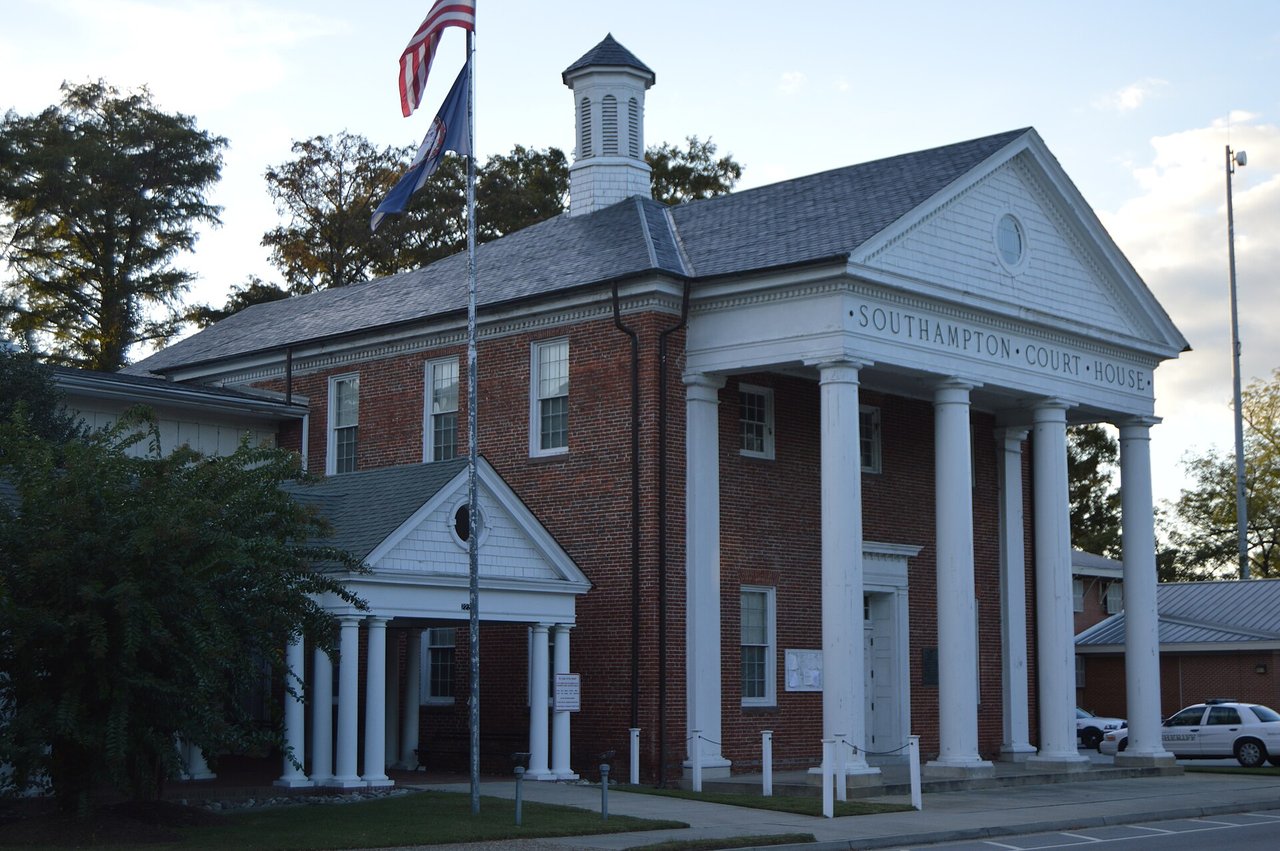
Nat Turner's Rebellion. In Southampton County, Virginia, Nat Turner was an enslaved preacher of extraordinary intelligence and a reputation for visions: his owners and fellow slaves alike believed he could see things others could not. He read the signs - an eclipse, a greenish sun - as commands. In the early hours of 22 August 1831, with a handful of followers, he began at his master's house, killing the Travis family in their sleep, and set out for the county seat, gathering recruits as he went.
For two days the rebels moved through the Southampton countryside, killing some fifty-five white men, women and children - nearly every white person in their path - and swelling to perhaps seventy riders before militia and armed civilians scattered them at the crossroads called the Bridge. Turner himself hid in the woods for two months before capture. At his trial he dictated to a lawyer the 'Confessions of Nat Turner,' a document read ever since as scripture by some and horror by others; he was hanged on 11 November 1831.
The white South answered with a massacre of its own: scores of Black people, most innocent of any part in the rising, were murdered by militia and mobs in the days after. Then came the laws. Virginia's legislature debated - and rejected - gradual emancipation, the last time a Southern legislature would consider it, and instead Virginia and the South hardened slavery: laws against teaching the enslaved to read, against their assembly and preaching, against free Black life itself.
Nat Turner's two days ended Virginia's debate and began the South's hardening - the moment, many historians say, when the region stopped apologizing for slavery and started defending it as a positive good. The rebellion stands at the head of the long American argument about slavery, violence and freedom: for the antebellum South it was the nightmare that justified the lash; for the enslaved and their descendants, Turner was a prophet of deliverance.
 Britannica: Nat Turner
Britannica: Virginia - Slavery and the Civil War