 Go Back

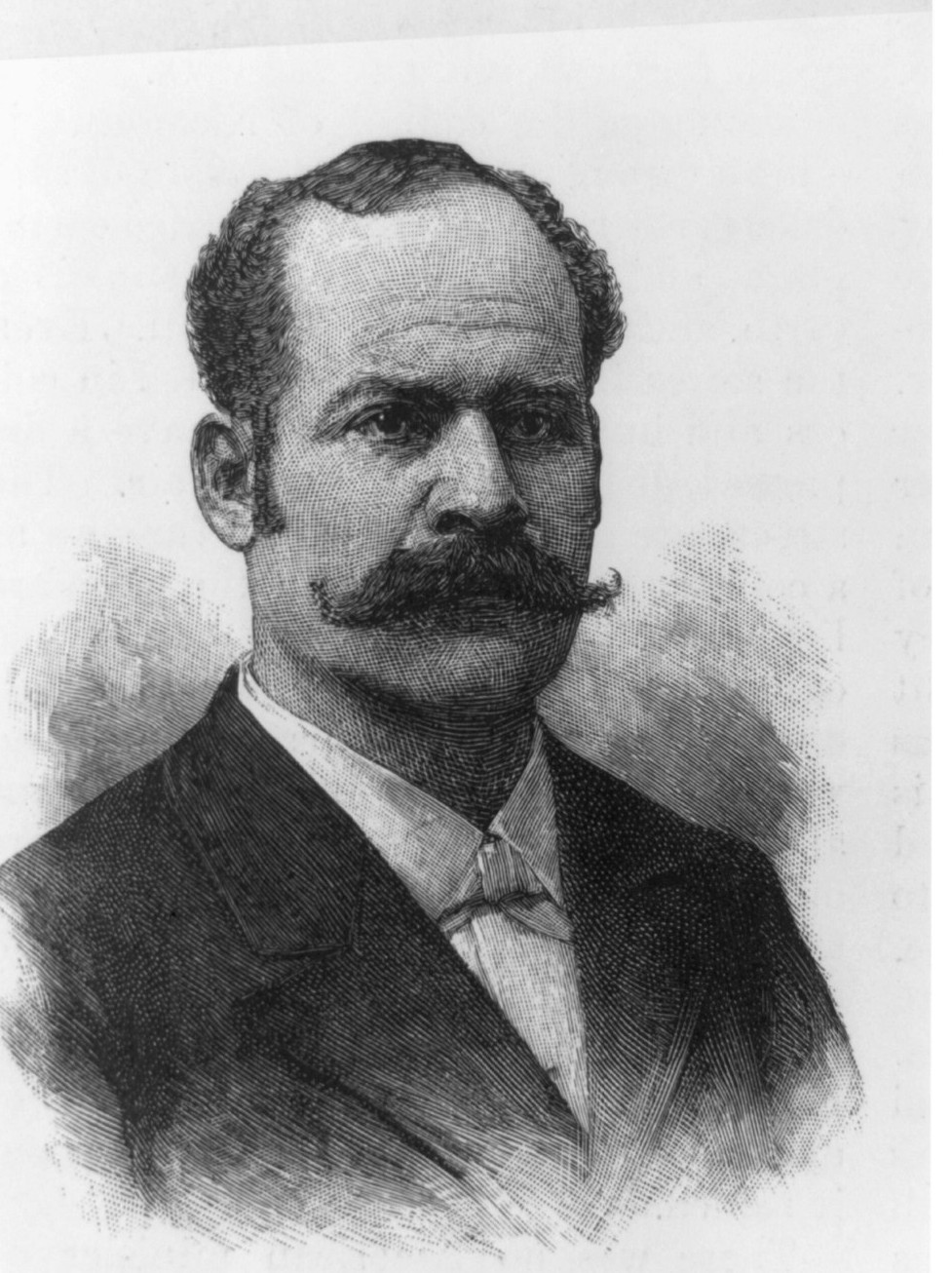
For three decades before 1893, Nicaragua was governed by a conservative oligarchy based in Granada, and its politics turned on the old rivalry between that city and liberal Leon. The country's mid-century trauma, the filibuster William Walker's seizure of power in 1855-1856, had discredited foreign adventurers and strengthened the conservatives' cautious, church-aligned rule. In 1893 the liberal general Jose Santos Zelaya seized power and broke the conservative order. He secularized education, reduced the church's privileges, built railways and telegraphs, and in 1894 reincorporated the British-protected Mosquito Coast into Nicaragua, giving the country full control of its Atlantic shore.
Zelaya was a nationalist who wanted Central America, not Washington, to control the region's destiny. He promoted union among the Central American republics, quarreled with his neighbors, and insisted on Nicaragua's right to deal with any foreign power. That mattered because Nicaragua offered the main alternative route for an interoceanic canal. After the United States chose Panama, Zelaya openly courted European and Japanese interest in a Nicaraguan canal, hoping to balance American influence. Washington, which regarded the Caribbean as its own sphere, came to see him as a threat to regional order and to American investments.
The break came in 1909. That year Zelaya's government executed two American soldiers of fortune, Lee Cannon and Leonard Groce, who had been captured fighting for a conservative revolt led by Juan Estrada on the Atlantic coast. The United States broke relations, threw its support behind the rebels, and landed marines. Isolated and facing invasion, Zelaya resigned in December 1909 and went into exile. His liberal successor Jose Madriz was forced out in 1910, and the conservatives returned to power under Adolfo Diaz, a former employee of an American mining company.
The new order rested heavily on American support. A loan convention signed in 1911 proposed financial supervision but failed to secure US Senate approval; separate banking agreements nevertheless increased American influence over Nicaragua's finances and railways. US forces intervened in 1912 to defeat an uprising, and a marine guard remained. The Bryan-Chamorro Treaty, signed in 1914 and ratified in 1916, granted exclusive canal rights in perpetuity, along with 99-year leases of the Corn Islands and a naval-base site on the Gulf of Fonseca, in return for three million dollars. By 1924 these financial and military arrangements sharply limited Nicaragua's freedom of action and had provoked protests from neighbouring states.
 Britannica: Jose Santos Zelaya
 Encyclopedia.com: Nicaragua, Relations With
 EBSCO: U.S. Intervention in Nicaragua
 Office of the Historian: Bryan-Chamorro Treaty
US Department of State: Intervention in Nicaragua, 1911/1912