 Go Back

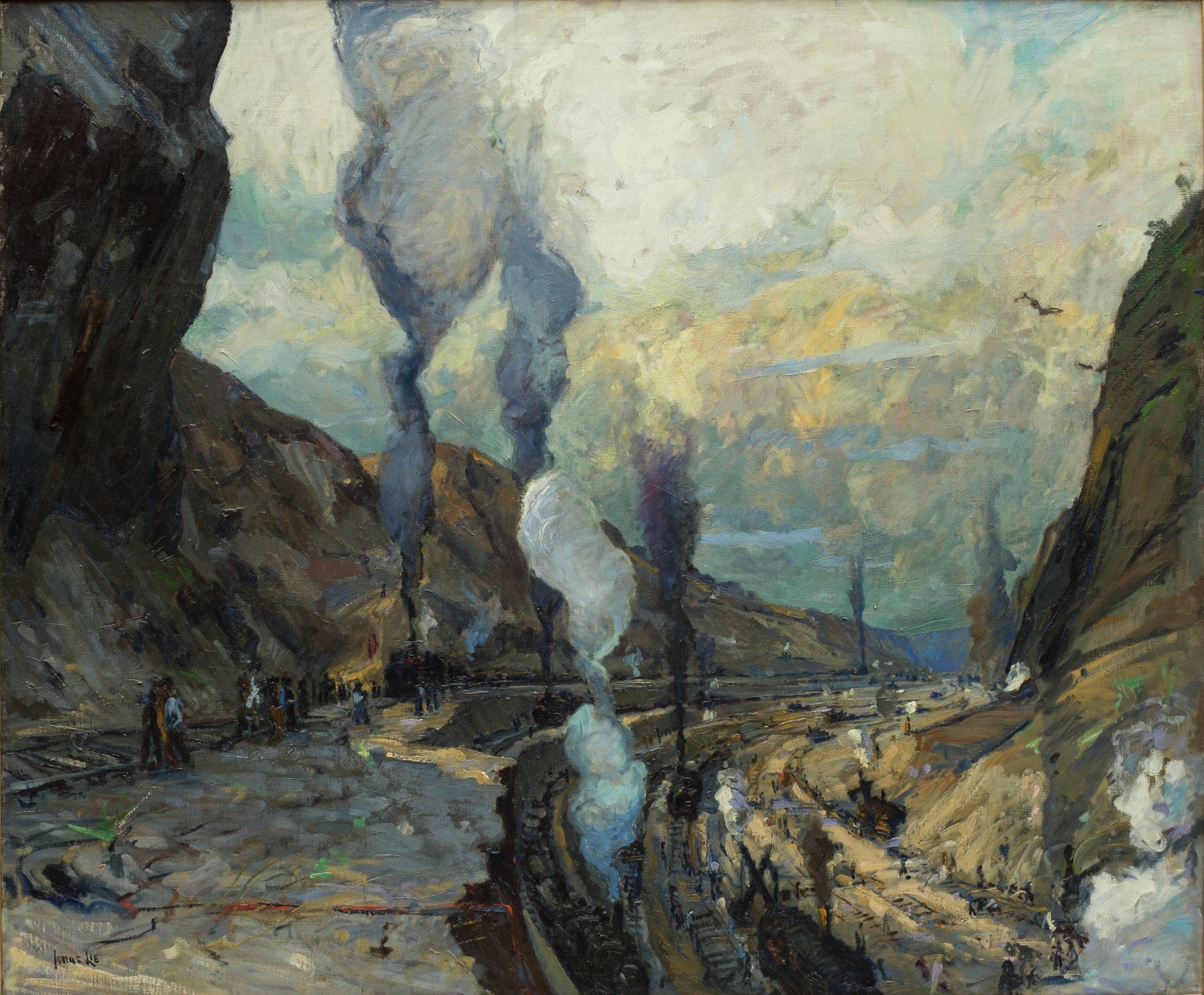
Panama spent the nineteenth century as a province of Colombia, and its people had reasons to feel neglected. The isthmus had been a vital transit route since Spanish times, and the California gold rush made it valuable again: the American-financed Panama Railroad, completed in 1855, carried thousands of travelers between the oceans. The French diplomat Ferdinand de Lesseps, fresh from building the Suez Canal, launched a French effort to build a sea-level canal across Panama in 1880, but disease, landslides, and mismanagement destroyed his company by 1889, killing perhaps twenty thousand workers. Many Panamanians, who remembered several failed independence attempts, increasingly believed Colombia neither defended their interests nor valued their region.
Colombia's Thousand Days' War (1899-1902), fought partly on the isthmus, deepened the estrangement. When the war ended, the United States decided to build the canal itself. In January 1903 Washington signed the Hay-Herran Treaty with Colombia, proposing payment for the right to build across Panama. The Colombian senate, hoping for better terms, unanimously rejected the deal in August 1903. Panamanian elites, backed by canal interests, concluded that separation was their best path. Philippe Bunau-Varilla, a French engineer who had been involved in the earlier de Lesseps canal attempt, helped organize and finance the conspiracy, and American warships were positioned offshore.
On 3 November 1903 Panama declared independence. Colombian troops sent to crush the revolt could not land in force because United States naval forces blocked their movement, and the small uprising succeeded almost without bloodshed. Washington recognized the new republic within days and signed the Hay-Bunau-Varilla Treaty on 18 November 1903. It granted the United States control of a ten-mile-wide Canal Zone 'in perpetuity' in exchange for ten million dollars and annual payments. Many Panamanians soon resented a treaty their negotiator, Bunau-Varilla, had signed before their own delegation even arrived.
American construction began in 1904. Colonel William Gorgas's sanitation campaign drained swamps and fumigated towns, finally controlling the yellow fever and malaria that had ruined the French. Chief engineer George Goethals then directed the excavation of the Culebra Cut and the building of great locks, with tens of thousands of laborers, most of them West Indians, doing the work under a harsh, segregated regime. The canal opened in August 1914, weeks after the First World War began. In the following decade Panamanian governments pressed for a larger share of the canal's benefits, and resentment of the enclave became a central theme of national life by 1924.
 U.S. Office of the Historian: Building the Panama Canal, 1903-1914
 Britannica: Panama Canal
 Wikipedia: Separation of Panama from Colombia