 Go Back

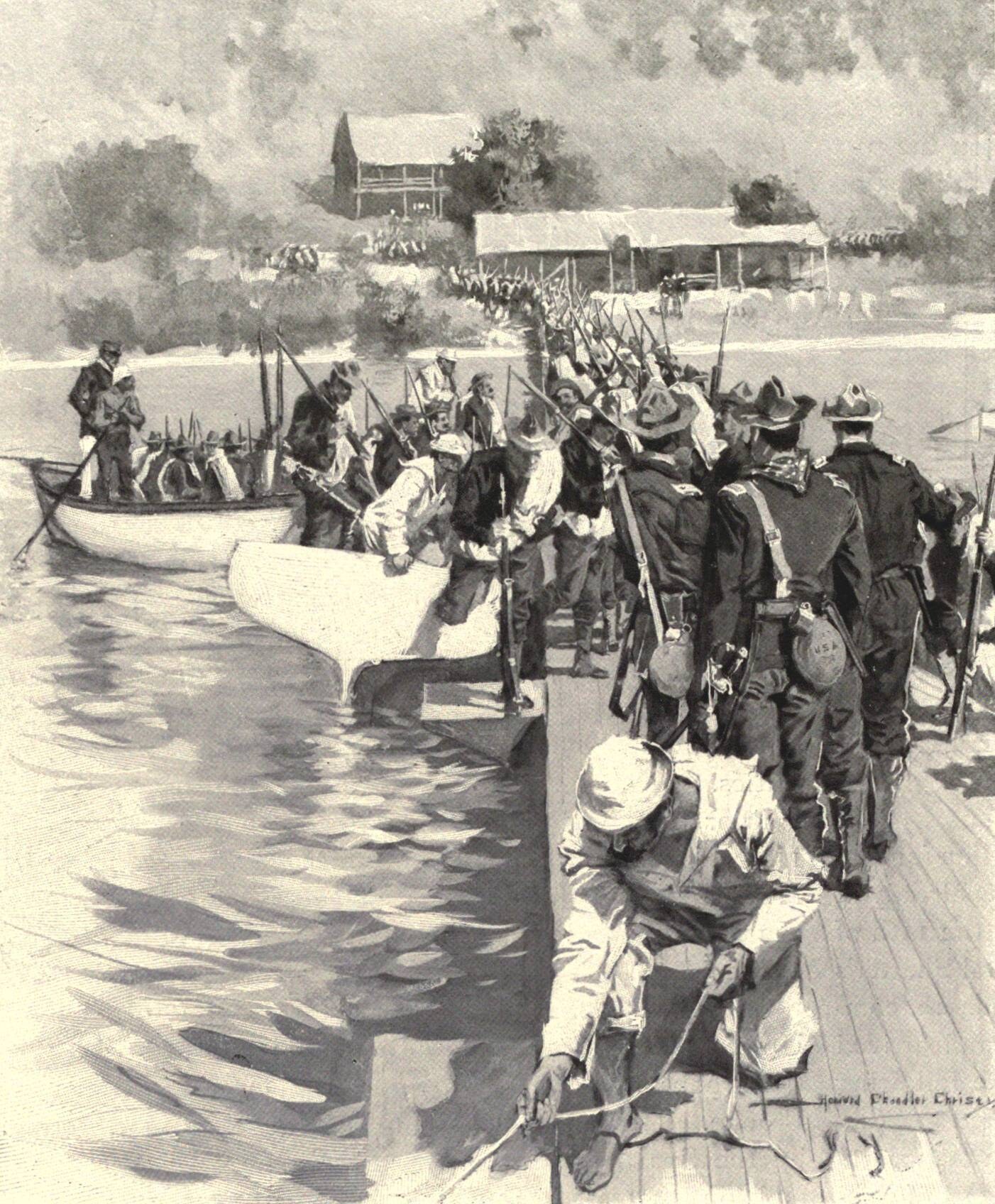
In November 1897 Spain, fighting for its last Caribbean colonies, granted Puerto Rico an Autonomic Charter, and the island's first autonomous government under Luis Muñoz Rivera had barely taken office when the Spanish-American War made it a prize of war. On 25 July 1898 United States troops landed at Guánica and swept across the island in a three-week campaign, welcomed by many Puerto Ricans who hoped for expansion of the new autonomy. Instead, by the Treaty of Paris that December, Spain ceded Puerto Rico to the United States, and the island passed under military government without a single Puerto Rican signature on the treaty that decided its fate.
American rule began with economic transformation and political limbo. The Foraker Act of 1900 replaced the military regime with a civil government - a governor and supreme court appointed in Washington, an elected lower house - and the Supreme Court's Insular Cases declared Puerto Rico an 'unincorporated territory' that 'belonged to but was not part of' the United States, with no promise of statehood or independence. Hurricane San Ciriaco in 1899 devastated the coffee economy, and American sugar corporations moved into the vacuum: by the 1920s four companies dominated a sugar industry that absorbed farmland and turned independent farmers into seasonal wage workers.
Puerto Ricans organized through every channel open to them. The Unionist party pressed for self-government; the Socialist party of Santiago Iglesias grew with the cane workers' strikes; the Nationalist movement gathered the independence tradition that ran back to the Grito de Lares of 1868. In 1917 the Jones Act answered part of the demand: Puerto Ricans became United States citizens - weeks before the nation entered the First World War, in which some eighteen thousand islanders served - and won an elected senate and a bill of rights, though the governor still ruled from Washington's appointment.
By 1924 the island lived under the settlement of 1917: American citizenship without a vote for president, an economy recast around sugar and migration, and a politics organized around the status question - statehood, autonomy, or independence - that the events of 1898 had created. The autonomists' brief triumph of 1897 remained the measure of what had been lost and the model for what many still sought.
 Britannica: Spanish-American War
Britannica: Puerto Rico