 Go Back

Theodore Roosevelt came to the presidency in 1901 as a man who loved wilderness. Years earlier, hunting and ranching in the North Dakota Badlands, he had watched the bison vanish and the range stripped by overgrazing, and he concluded that America's natural wealth was not endless. As president he made conservation a national cause, arguing that natural resources belonged to the public and had to be managed for the future, not simply consumed by the present.
Roosevelt backed his words with land. Working with his chief forester Gifford Pinchot, he created the United States Forest Service and set aside some 150 million acres as national forests, established 51 federal bird reserves, and signed the Antiquities Act on June 8, 1906, which let a president protect sites of scientific and historic value by proclamation. He used it to create 18 national monuments, including the Grand Canyon. In all, he protected approximately 230 million acres of public land.
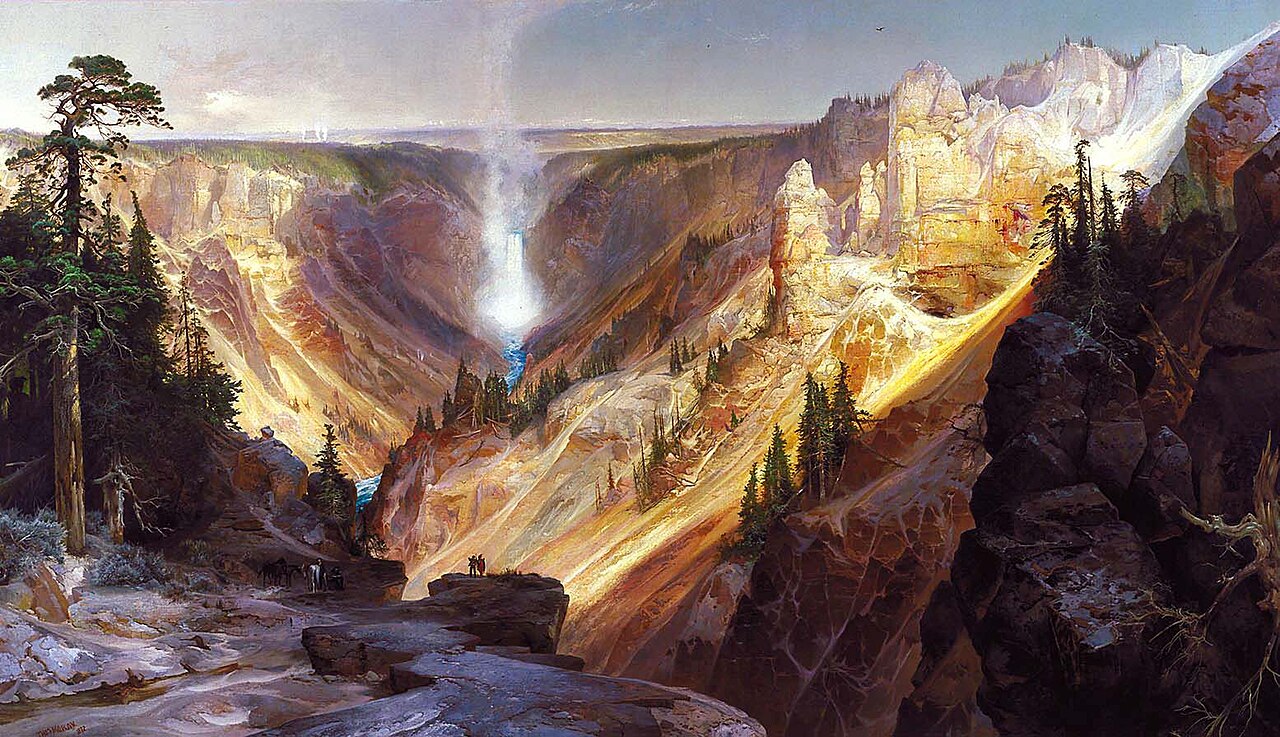
The national park idea was older than Roosevelt: Yellowstone had become the world's first national park in 1872. But the parks had no real system or defender. The conservation movement Roosevelt championed built public support for them, and in 1916 President Woodrow Wilson signed the act creating the National Park Service, with Stephen Mather as its first director, to manage the parks and monuments and keep them, in the law's words, unimpaired for future generations.
By 1924 the principle Roosevelt helped establish was settled law and popular creed: forests, parks, and wildlife were a public trust. The national forests were managed for sustained use, the young Park Service was building roads and welcoming growing crowds of automobile tourists, and the idea of conserving nature had become a permanent part of American public life.
 National Park Service: Theodore Roosevelt and Conservation
 Britannica: Theodore Roosevelt
Britannica: National Park Service