 Go Back

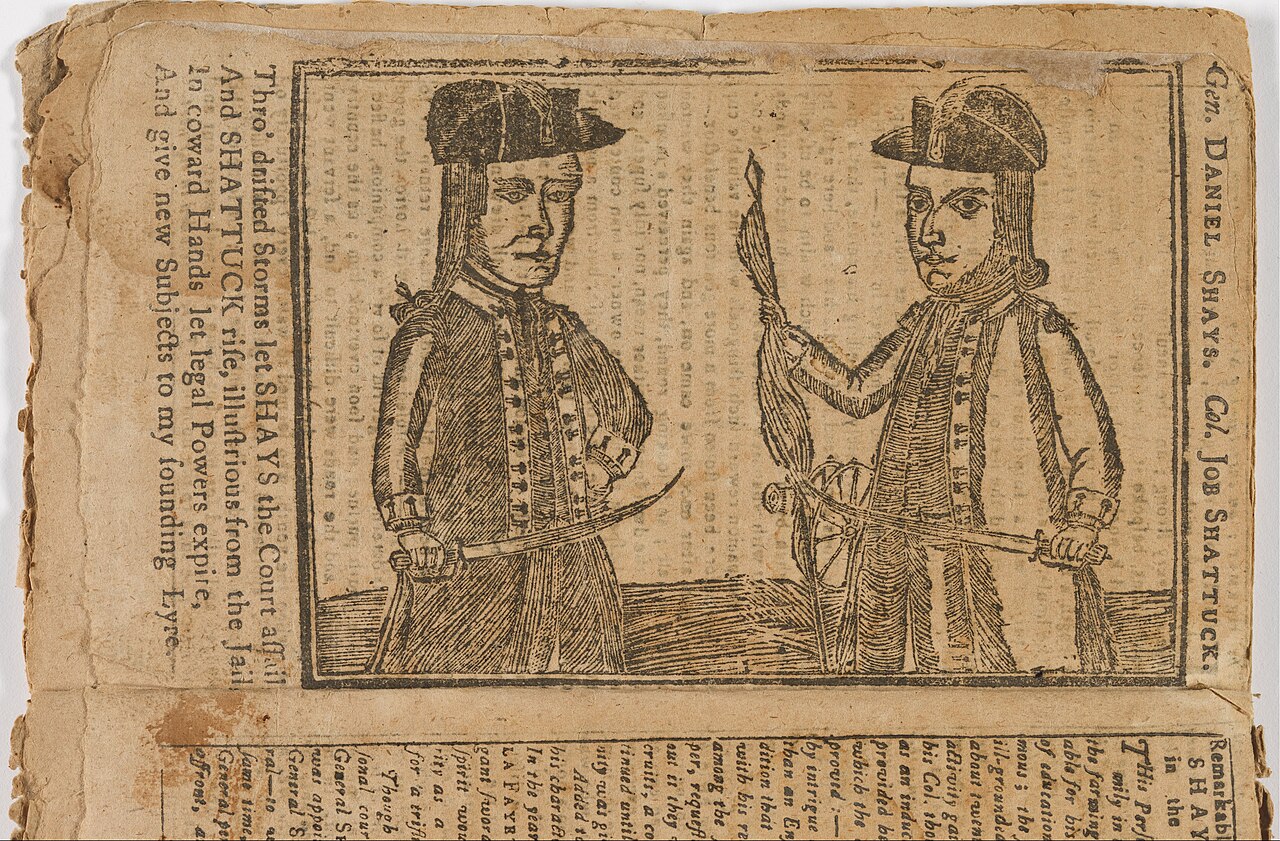
Shays' Rebellion emerged from the financial pressures facing Massachusetts farmers after the Revolutionary War. Debts, taxes and a shortage of money made it difficult for many households to meet obligations. Court proceedings threatened property and personal liberty through foreclosure and imprisonment for debt. Protesters argued that a government created through a struggle for rights was ignoring their distress. The conflict was therefore about economic survival and representation as well as the enforcement of law.
During 1786, armed groups prevented courts from meeting in several towns. Daniel Shays, a veteran of the Revolution, became the most familiar of several leaders. Closing courts was intended to interrupt debt collection rather than merely express discontent. The movement was strongest away from the coastal centers of wealth and political influence. Officials and creditors saw these actions as attacks on lawful government, while participants believed existing institutions had failed to provide meaningful relief.
The confrontation escalated in January 1787 when insurgents attempted to seize the federal arsenal at Springfield. Defenders repulsed the attack. A force led by Benjamin Lincoln then pursued the rebels, defeating a major group at Petersham in February. The uprising collapsed, and Shays fled Massachusetts. Repression was followed by political change and measures easing some of the pressures on debtors, demonstrating that military defeat did not erase the grievances behind the movement.
The rebellion became a powerful argument in debates over the Articles of Confederation. Supporters of a stronger national government cited the difficulty of maintaining order and responding to crises under the existing arrangement. Others feared that concentrating power would strengthen the same interests that had ignored rural hardship. The Constitutional Convention met later in 1787 against this unsettled background. Shays' Rebellion did not single-handedly create the Constitution, but it sharpened disagreements about what a republic owed its citizens and how much authority was necessary to preserve it. The dispute also divided veterans of the same war, showing that service for independence had not created agreement about the distribution of its benefits.
 Britannica: Shays' Rebellion
 World History Encyclopedia: Shays' Rebellion