 Go Back

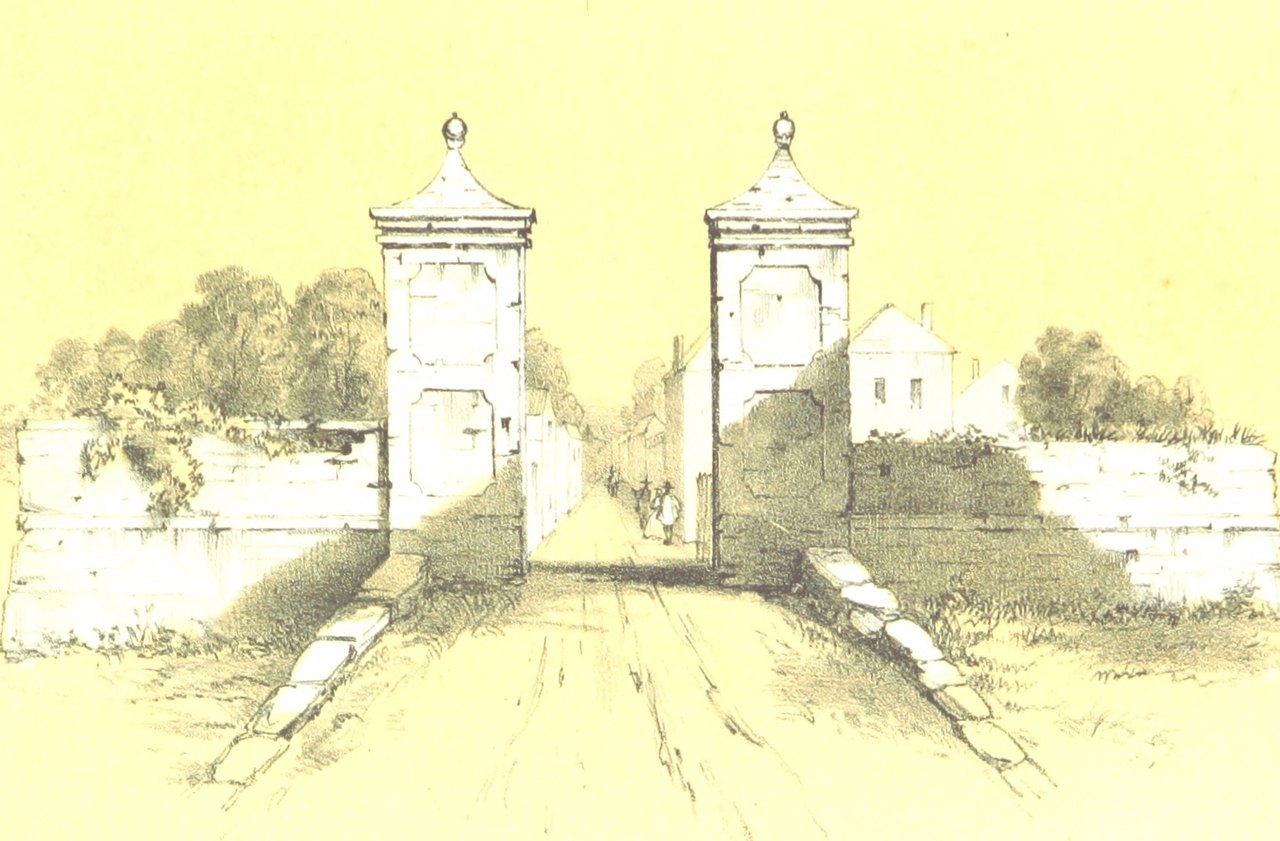
In 1565, the Spanish captain-general Pedro Menendez de Aviles founded St. Augustine on Florida's Atlantic coast, the oldest continuously occupied European-established city in the continental United States. His orders were strategic: drive out a rival French colony at Fort Caroline, which he destroyed within weeks, and anchor Spain's claim to La Florida, the vast territory guarding the route of the treasure fleets. As galleons heavy with Mexican and Peruvian silver rode the Gulf Stream home along Florida's shore, St. Augustine became the military sentinel of the richest shipping lane in the world.
Spanish Florida was always more frontier mission province than settler colony. A chain of Franciscan missions spread among the Timucua, Guale and Apalachee peoples, whose chiefs often allied with Spain for trade goods and protection, building a biracial society of soldiers, friars, farmers and Native towns. The colony also became a beacon for the enslaved: after 1693 the Spanish crown offered freedom to fugitives from English Carolina who accepted baptism, and in 1738 free Black settlers founded Fort Mose near St. Augustine, the first legally sanctioned free African town in what is now the United States.
Because wooden forts had failed before pirates and enemies, Spain began the Castillo de San Marcos in 1672, a star-shaped fortress of coquina, a local shellstone that absorbed cannonballs instead of shattering. The Castillo proved its worth in 1702 and again in 1740, when English forces from South Carolina and Georgia besieged St. Augustine and battered the fort without taking it. During the Seven Years' War Havana fell, and in the 1763 peace Spain traded all Florida to Britain for its return, ending two centuries of Spanish rule.
Britain held Florida for twenty years, dividing it into East and West Florida, before the American Revolution returned it to Spain in 1783. Weakened Spain could not hold the province against American settlers, filibusters and Seminoles, and in 1819 agreed the Adams-Onis Treaty, handing Florida to the United States in 1821. But St. Augustine's oldest houses, its fortress, and the mixed Spanish, Native and African heritage of its people still mark the nation's oldest colonial city.
 National Park Service: Castillo de San Marcos
 Walking Tour
 Britannica: Florida History
National Park Service: Fort Mose
National Park Service: Civil Rights in Colonial St. Augustine