 Go Back

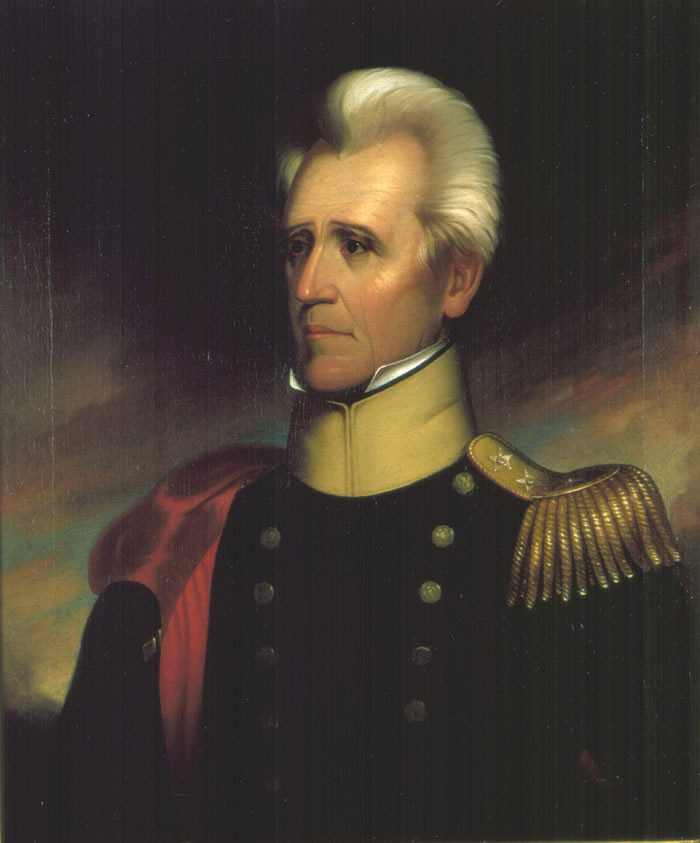
The Bank War was a political struggle over the Second Bank of the United States and the distribution of economic power. Chartered in 1816, the bank held federal deposits, provided financial services and exercised influence over other banks through demands for payment in specie, meaning gold and silver. Supporters considered it a source of monetary stability. Andrew Jackson and his allies regarded its combination of public privilege and private ownership as a threat to republican equality.
In 1832, bank president Nicholas Biddle and political allies sought an early renewal of the charter. Congress passed the measure, but Jackson vetoed it. The dispute became central to the presidential election, which Jackson won. He then moved federal deposits away from the bank into selected state banks. Biddle's response included a contraction of credit, turning a constitutional and political contest into a struggle with direct consequences for borrowers and businesses.
The federal charter expired in 1836, although the institution continued for a time under a Pennsylvania charter. Meanwhile, lending and speculation expanded within a less centralized financial system. Jackson's Specie Circular required payment in gold or silver for many purchases of public land, adding pressure to an already fragile credit structure. In 1837, shortly after Martin Van Buren became president, a financial panic brought bank suspensions, failures and a severe economic downturn. The crisis affected workers and households as well as investors.
The bank's destruction was not a complete explanation for the panic. Credit conditions, speculation and connections with international markets also mattered, and historians debate the weight of these causes. The sequence nevertheless showed how banking decisions could connect government policy to everyday insecurity. Jackson had defeated an institution he described as privileged, but the result did not produce a simple financial order free of concentrated power or instability. The Bank War and the depression that followed made the role of government in money and credit a continuing question for the republic. Debates over credit also cut across Jacksonian supporters themselves, some of whom preferred hard money while others wanted easier access to loans.
 Britannica: Bank of the United States
 Harvard Business School: 1837, The Hard Times