 Go Back

The Boston Massacre grew out of the military occupation of a town already divided by disputes over taxation and imperial authority. British troops arrived in Boston in 1768 after confrontations involving customs enforcement. Their presence did not end hostility. Soldiers and civilians competed for work, exchanged insults and fought in the streets. By early 1770, an argument involving a sentry could draw on much wider anger about what military power meant in a British colonial community.
On the evening of March 5, 1770, a crowd gathered near the Custom House. Reinforcements joined the sentry as the confrontation escalated. Soldiers fired into the crowd, and five people eventually died from their wounds. Accounts differed about threats, orders and responsibility. The dead included Crispus Attucks, whose presence also shows that the town's waterfront population was more varied than the familiar image of a protest led solely by wealthy white political leaders.
The event immediately became a struggle over public meaning. Patriot accounts used the word massacre and presented the shootings as evidence of military oppression. Paul Revere's widely circulated engraving turned the incident into a clear visual accusation, rather than a neutral record of a confused confrontation. Funerals and printed reports helped carry the story beyond those who had witnessed it. Images and language thus became instruments in the wider argument over Britain's rule.
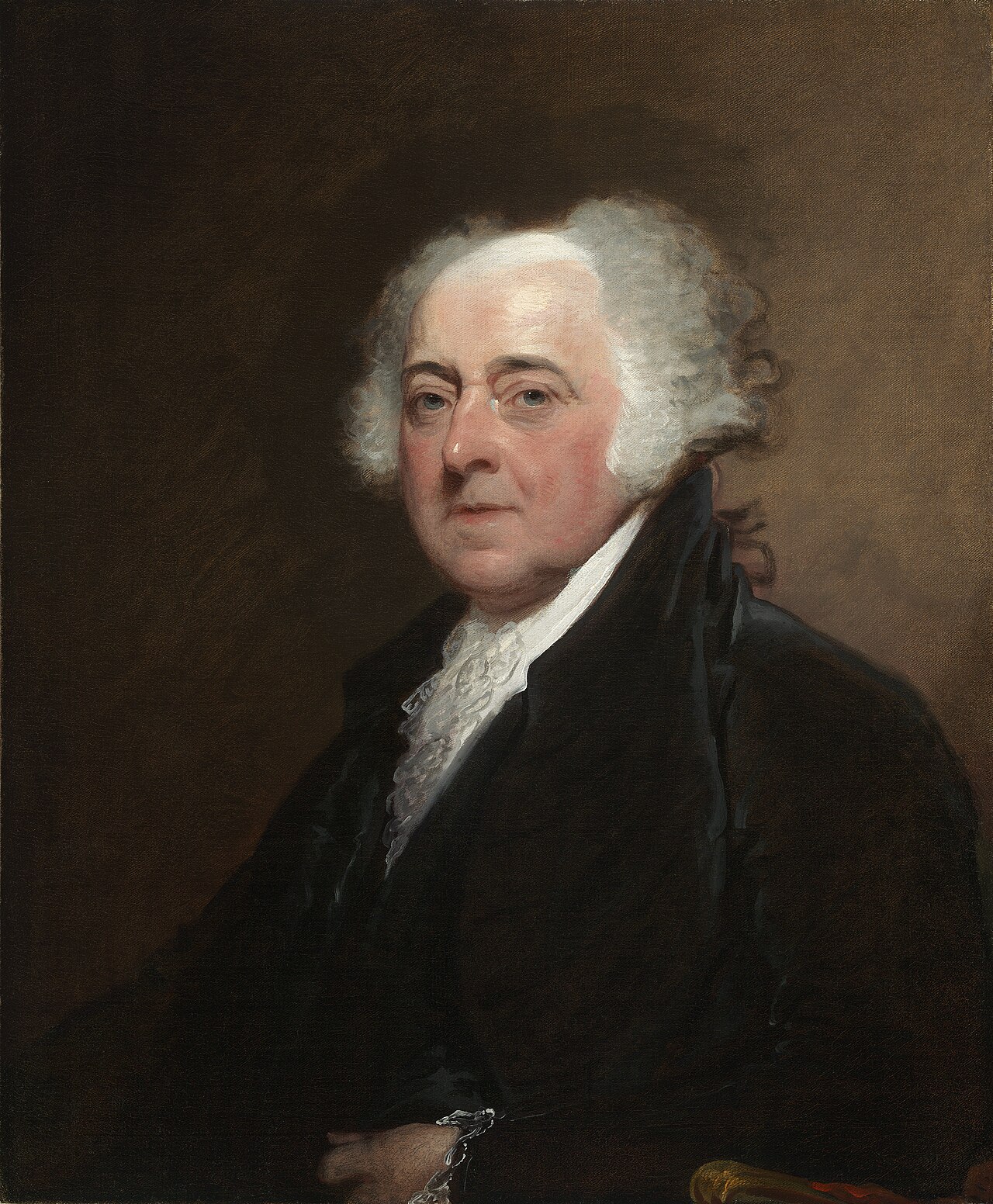
The subsequent trials did not simply confirm the most dramatic protest accounts. John Adams helped defend the soldiers, most of whom were acquitted; two were convicted of manslaughter. The outcome separated legal responsibility from the political use of the event. Tensions temporarily eased, but the memory of the shootings remained available to opponents of imperial policy. The Boston Massacre is important both as a deadly encounter and as an example of how testimony, courtroom procedure and propaganda could produce very different understandings of the same colonial crisis. The different verdicts also matter: the trial distinguished the conduct of individual defendants rather than treating every soldier present as equally responsible for the deaths.
 National Park Service: Boston Massacre
 Britannica: Boston Massacre