 Go Back

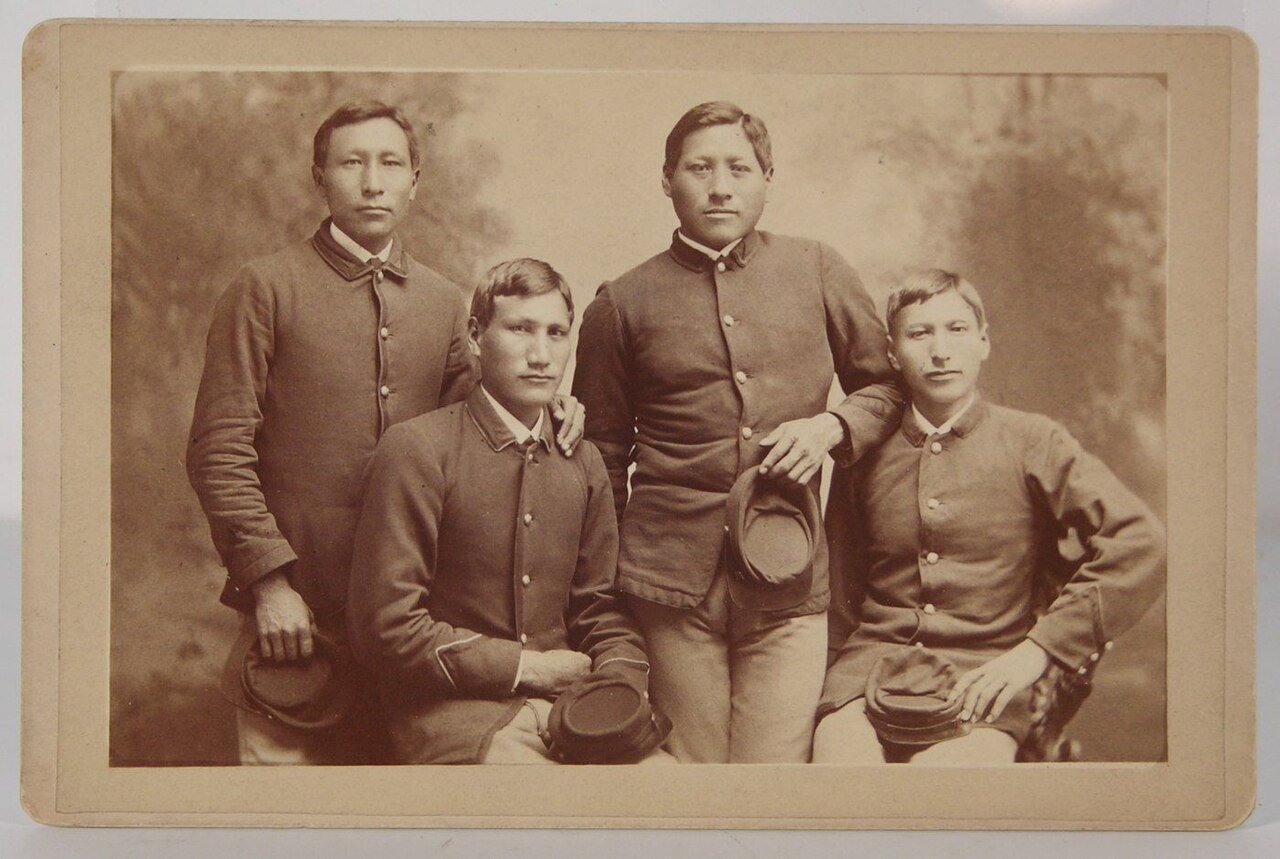
The Dawes Act and the Allotment Era. In 1887, with the Plains wars ended and the reservations secure, Congress passed the General Allotment Act - the Dawes Act - with the sincere support of the age's reformers, the self-styled Friends of the Indian. Its theory was the age's answer to the 'Indian problem': destroy the tribe to save the individual. The reservations, held in common, would be carved into private farms - 160 acres to each head of family - and the allottees, turned into self-reliant homesteaders on the American model, would become citizens; the 'surplus' land left over would be sold to settlers.
The practice was a dispossession. The surplus-land clauses opened tens of millions of acres to white entry; allotment rolls were gamed, heirs' lands fractionated into useless splinters, and Indian land passed by lease, fraud, sale and forced patent into white hands at catastrophic speed. Between 1887 and 1934 the Native land base in the United States fell from some 138 million acres to about 48 million - nearly two-thirds of what the tribes had left was gone in two generations, the largest transfer in the long history of dispossession.
Allotment was only the head of the era's assimilation offensive: the boarding schools that took the children - Carlisle's founder pronounced the era's creed, 'kill the Indian in him, and save the man'; the courts of Indian offenses that banned the dances and the ceremonies; the outlawing of the potlatch and the Sun Dance. The friends of the Indian sought, quite openly, the disappearance of Native America as a distinct world.
The experiment ended in 1934, when the Indian Reorganization Act stopped allotment and re-legitimized tribal government - but the checkerboard reservations, the lost ninety million acres, and the boarding-school generations remain the allotment era's inheritance. The Dawes Act stands as the classic case of a reform that functioned as conquest: benevolence as the instrument of dispossession.
 Britannica: Dawes General Allotment Act
Britannica: Indian Reorganization Act