 Go Back

In the 1850s, bands of armed American adventurers called filibusters launched private invasions of Latin American countries, hoping to seize territory and create new slaveholding states. The word came from the Spanish filibustero, meaning freebooter or pirate, and it captured exactly what these expeditions were: illegal private wars of conquest. The filibuster movement grew out of the spirit of Manifest Destiny and the expansionist fervor that had recently won the United States half of Mexico's territory. Southern slaveholders especially looked south for new lands where slavery could expand, since the balance of free and slave states was becoming the nation's great political crisis.
The most famous filibuster was William Walker, a slight, soft-spoken Tennessean who had trained as a doctor and lawyer before turning to conquest. Walker first invaded Mexico's Baja California in 1853, proclaiming the Republic of Sonora before his ragged band was driven back across the border. Acquitted of violating neutrality laws by a sympathetic California jury, Walker turned his attention to Nicaragua, which was then torn by civil war between its Liberal and Conservative parties. In 1855, hired by the Liberals, Walker landed with fewer than sixty men, seized the Conservative stronghold of Granada, and within months made himself the effective ruler of the country.
Walker's Nicaraguan regime won diplomatic recognition from the United States in 1856, but his next moves destroyed him. He revoked the charter of Cornelius Vanderbilt's Accessory Transit Company, which controlled the vital steamer route across Nicaragua between the Atlantic and Pacific, and the enraged Vanderbilt bankrolled a coalition against him. Walker also reinstated slavery, hoping to win Southern support, which alienated Nicaraguans. In 1856-1857 the combined armies of the Central American republics, backed by Vanderbilt's agents, besieged Walker's forces at Rivas, where disease and hunger did most of the killing. Walker surrendered to the U.S. Navy in May 1857.
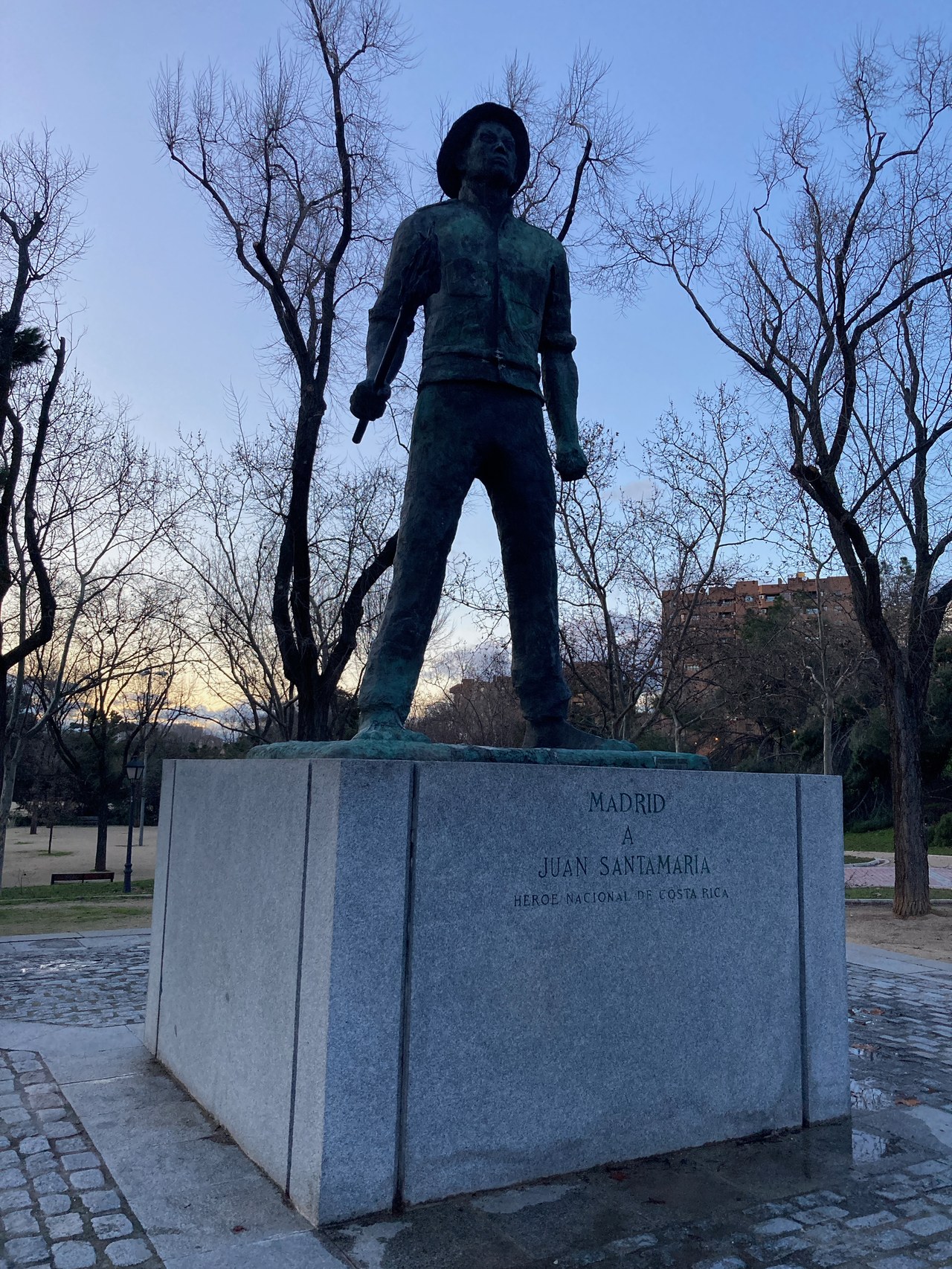
Walker returned to Central America twice more. After a failed 1858 landing, he made his last attempt in 1860, landing on the coast of Honduras to support English-speaking settlers. Captured by the British Navy and handed over to Honduran authorities, he was executed by firing squad at Trujillo on September 12, 1860. The filibuster era left a deep mark on Central American memory, where the war against Walker is remembered as a war of national liberation, and Costa Rica still celebrates the hero Juan Santamaría, who died setting fire to a filibuster stronghold at the Battle of Rivas.
 Wikipedia: William Walker (filibuster)
 Encyclopedia.com: William Walker
Country Studies (Library of Congress): Nicaragua: The Walker Years
 World History Encyclopedia: William Walker