 Go Back

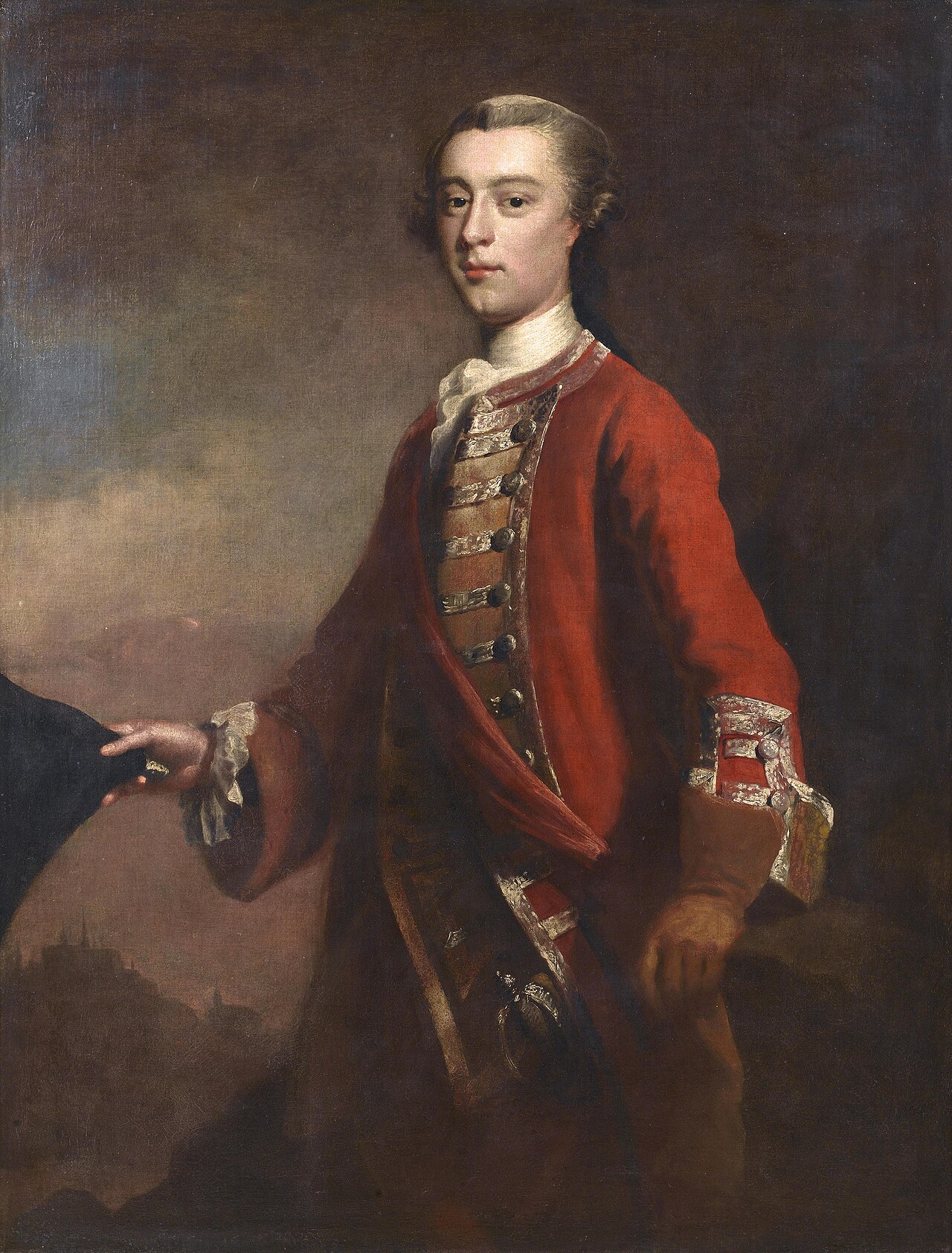
The French and Indian War. In 1754, in the Ohio country claimed by both Britain and France, a twenty-two-year-old Virginia militia officer named George Washington ambushed a French patrol and then surrendered his crude Fort Necessity to a French counterattack - the opening shots of what became the first truly global war. The Ohio Valley was the prize: French forts from Canada to Louisiana threatened to fence the British colonies against the Appalachians, and both empires sent regular armies to decide the continent.
The war's first years went to France. General Braddock's redcoats were slaughtered in the forest on the Monongahela in 1755; Fort Oswego and Fort William Henry fell to Montcalm; and the French alliance of the Algonquian peoples - the 'Indian' half of the war's name - raided the colonial frontier from Pennsylvania to Virginia. Britain's response was total commitment: William Pitt poured men, ships and subsidies into North America, blockaded France, and subsidized Prussia in Europe, determined to win an empire in America.
The turn came in 1758 with the fall of Louisbourg and Fort Duquesne - rebuilt as Pittsburgh - and the decision in 1759: Wolfe's army scaled the cliffs to the Plains of Abraham and took Quebec, dying with Montcalm in the moment of victory, and Montreal followed in 1760. By the Peace of Paris in 1763 France surrendered Canada and everything east of the Mississippi to Britain, and Louisiana to Spain: New France ceased to exist.
Victory undid the victors. Britain emerged with an empire and a debt, and taxed its colonies to pay it - the Stamp Act, the Townshend duties, the road to Lexington. The colonists, no longer needing British protection against France, looked west to the lands the war had won, and found a king who drew a line at the mountains to keep them out. The French and Indian War made Britain master of North America and, within twelve years, cost it the thirteen colonies.
 Britannica: French and Indian War
 National Park Service: Fort Necessity National Battlefield
Britannica: James Wolfe