 Go Back

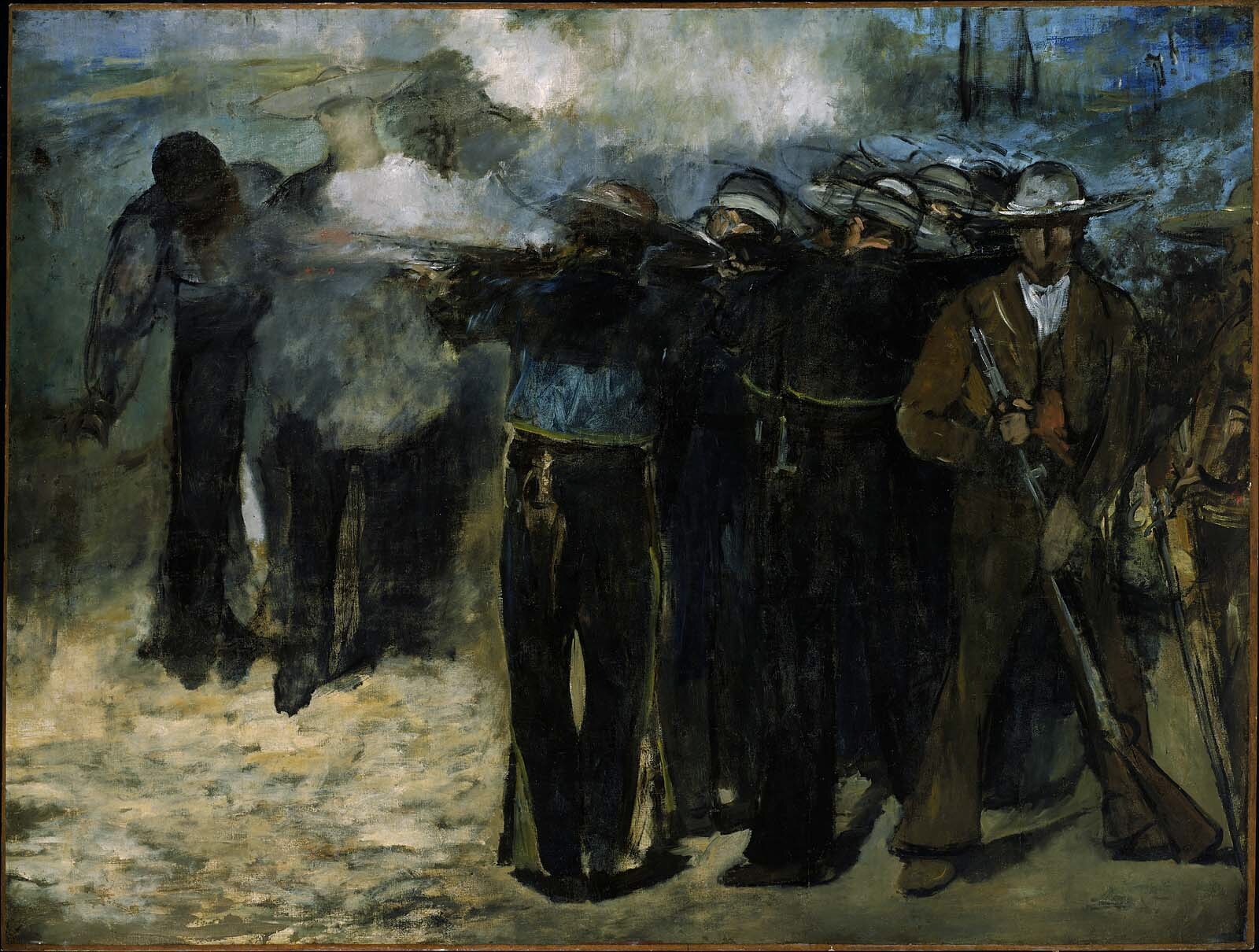
In 1861 President Benito Juárez, inheriting a treasury emptied by the War of the Reform, suspended payments on Mexico's foreign debts. Britain, Spain, and France signed the Convention of London and sent fleets to Veracruz to collect. Britain and Spain soon saw that Napoleon III of France had larger ambitions - he dreamed of a Catholic Latin empire in America and a canal across the isthmus - and withdrew in 1862. France pressed on alone. On 5 May 1862 the French army marching on Mexico City was beaten at Puebla by Mexican forces under Ignacio Zaragoza, a victory still celebrated as Cinco de Mayo, but Napoleon poured in reinforcements, and in June 1863 French troops entered the capital.
Napoleon's design needed a throne, and he offered it to the Habsburg archduke Ferdinand Maximilian, who accepted after a staged plebiscite and landed at Veracruz in 1864 with his wife Carlota. The Second Mexican Empire that followed was a strange mixture: Maximilian was a sincere liberal who kept the Reform's land sales, confirmed freedom of religion, and won over some old liberals, while conservatives who had invited him despaired at his moderation. He built a court at Chapultepec Castle, drove the great boulevard now called Reforma, and ruled with real ambition but shrinking means as French subsidies dried up.
Outside the capital the empire never rested. Juárez refused to recognize the invaders and led a government on the run, carrying the republic's archives north to the city that still bears his name, Ciudad Juárez, while republican armies under generals like Porfirio Díaz and Mariano Escobedo bled the occupation in guerrilla war. The empire answered with terror: the 'Black Decree' of October 1865 ordered captured republicans shot as bandits. From 1865 the United States, its own civil war over, massed troops on the Rio Grande and armed Juárez, and Napoleon III, facing Prussia at home, ordered his legions out; the last French troops sailed in early 1867.
Maximilian refused to abandon the throne and was besieged at Querétaro with his remaining Mexican imperialists. Captured in May 1867, he was tried by court martial and shot on the Cerro de las Campanas on 19 June 1867 beside his generals Miramón and Mejía. Juárez entered Mexico City in July and was re-elected president. The intervention left Mexico's republican institutions intact and forged the nationalism of a generation, while in Europe Manet's great painting of the execution fixed the empire's fall as a warning against imperial adventures.
 Britannica: Battle of Puebla
Britannica: Benito Juárez