 Go Back

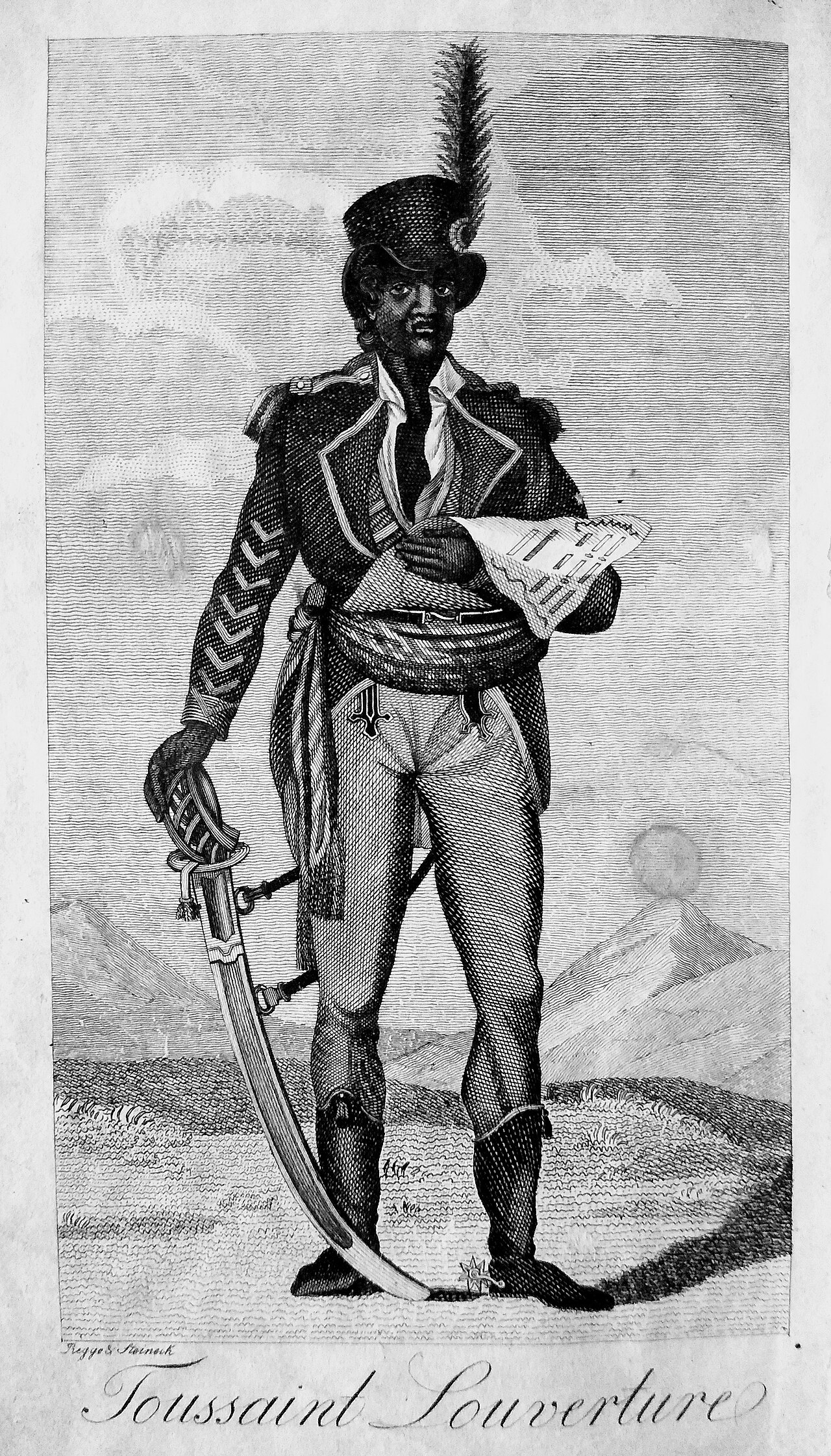
The Haitian Revolution. The Haitian Revolution was the only successful slave revolt in history: an anti-slavery and anti-colonial insurrection that convulsed the French colony of Saint-Domingue from 1791 to 1804 and led directly to the founding of an independent state. On the eve of the uprising the colony held some 556,000 people - roughly half a million enslaved Africans alongside 32,000 European colonists and 24,000 affranchis, free people of color - and the enslaved majority endured backbreaking workdays on the sugar plantations, often dying from injuries and exhaustion. When revolution broke out in France, the colonists' rival factions fought over the Declaration of the Rights of Man, and in October 1790 the affranchi Vincent Oge led an unsuccessful revolt; the following year the enslaved themselves rose, and the former slave Toussaint Louverture became their great leader. This revolution matters because it shattered the foundations of Atlantic slavery and terrified slaveholding regimes across the Western Hemisphere.
Toussaint proved a master strategist: first fighting alongside Spain, he abandoned his Spanish allies when the French Republic abolished slavery in 1794, rose to commander-in-chief of the island by 1797, defeated Spanish and British forces, conquered Santo Domingo in 1801, and had himself named governor-general for life. Napoleon answered by sending his brother-in-law, General Charles Leclerc, with an experienced army to restore French rule; Toussaint struggled for months, agreed to an armistice in May 1802, and was then seized and exiled to France. The fighting continued under Jean-Jacques Dessalines and Henry Christophe, whose forces prevailed over the French, and in 1804 Dessalines declared Haiti independent, giving the territory its new name. The price of survival was steep: France withheld recognition until 1825, and then only in exchange for an indemnity of 100 million francs that - together with diplomatic isolation - burdened the young republic's development for generations.
 Britannica: Haitian Revolution
 Humanities LibreTexts: 4.4: Sugar and the Haitian Revolution
 PBS: Africans in America/Part 3/The Haitian Revolution
 Khan Academy: Client Challenge